



Reviewed by: Y. Garcia
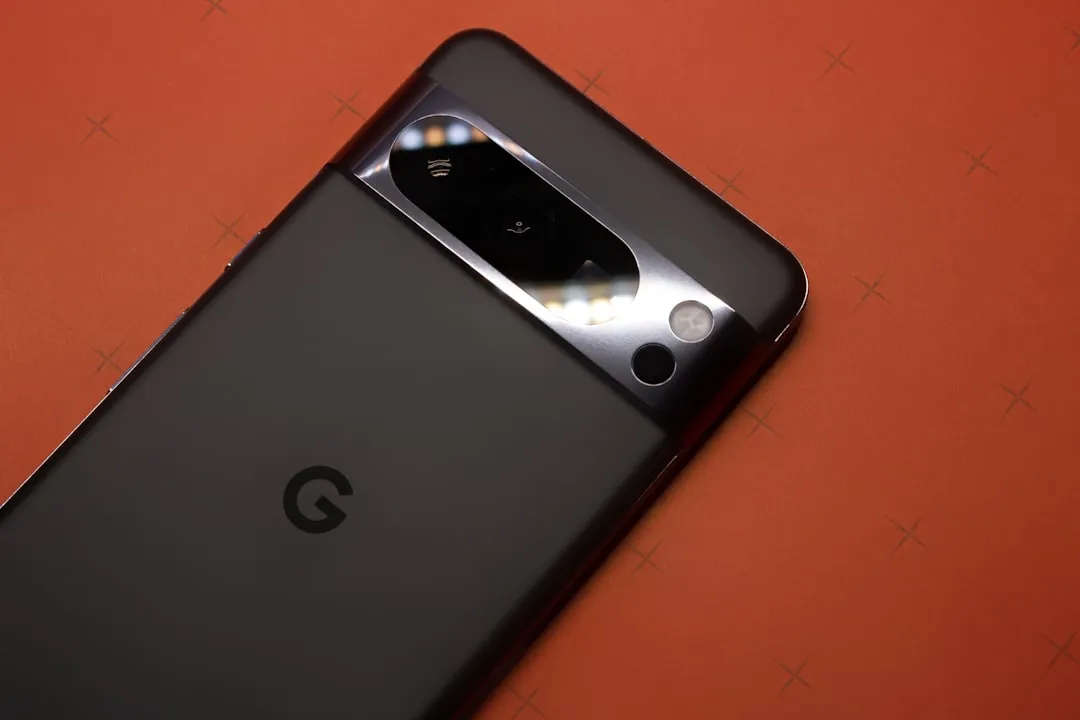
Google Pixel users are discovering an uncomfortable truth about their flagship devices: recent system updates are making their premium phones feel sluggish and unpredictable. A Google Play system update containing the latest security patches recently rolled out to Pixel owners, but what should have been a routine security enhancement has turned into a frustrating experience that highlights deeper quality control challenges in Google's software development process.
The irony here is particularly sharp when you consider that recent reports suggested the Pixel 10 was gaining speed through Android 16 QPR2 optimizations. Instead of continued improvements, users are now dealing with phones that take longer to boot, fail to start properly, and in some cases, won't even load their home screens. For devices that cost hundreds of dollars, this isn't exactly the premium experience anyone signed up for.
What makes this situation even more concerning is the fundamental nature of the update failure. Most Pixel users remain on the November 1, 2025 system version even after installing the new patch. This version mismatch indicates problems with the update installation process itself — when security patches can't properly register their completion, it suggests issues with Google's update delivery infrastructure rather than isolated software bugs.
What's actually happening during these buggy updates?
Let's break down what Pixel owners are experiencing right now, because the scope of these failures reveals systemic problems with Google's testing procedures. Testing across multiple Pixel 10 devices revealed various issues after the mandatory restart, with problems ranging from annoying delays to complete system failures that require manual intervention.
The most severe issues hit the Pixel 10 Pro particularly hard. The screen remained completely black after an extended boot process, leaving users staring at an expensive paperweight. This type of boot failure typically occurs when the system encounters corrupted data during the update process or when memory allocation fails during startup — problems that should be caught during internal testing before reaching consumers.
But even when devices managed to boot, the problems didn't end there. A standard Pixel 10 experienced launcher failures where users could unlock with their passcode, but the Pixel Launcher wouldn't fully load. Picture this scenario: you unlock your phone expecting to see your apps and widgets, but instead you're greeted with just your wallpaper. Users were stuck seeing only wallpapers without system UI elements, including the status bar, essentially locking them out of their phone's functionality until they forced a restart.
This particular failure pattern suggests problems with Android's SystemUI service initialization after updates. When the launcher can't fully load despite successful authentication, it typically indicates that background services aren't starting properly or that the update corrupted critical system files responsible for the user interface.
The good news? Phones generally returned to normal performance after the initial problematic reboot. However, this temporary fix approach masks the underlying issue: Google's updates are causing predictable failures that require user intervention to resolve.
Even devices that avoided complete failures showed warning signs. The Pixel 10 Pro Fold and Pixel 9 series devices had boot processes that felt noticeably longer than normal, though they eventually started without major issues. Extended boot times after updates often indicate that the system is rebuilding critical data structures or recovering from partial failures — processes that should complete during the update installation, not every time you restart your phone.
The December patch brought its own set of challenges
Before we even get to this latest system update disaster, Pixel users were already dealing with performance headaches from December's major software release. Some Pixel owners received a secondary December 2025 update after initially installing Android 16 QPR2, which reveals that Google's internal quality assurance processes failed to catch critical issues before the initial rollout. When a tech company needs to deploy emergency patches for its quarterly release, it suggests inadequate testing across the supported device range.
The December update specifically targeted several critical performance problems that should never have reached production devices in the first place. Verizon's release notes highlighted faster than normal battery depletion affecting Pixel 8 through 10 devices, along with intermittent touch failures specifically impacting Pixel 10 users. Battery drain issues typically stem from background processes consuming excessive CPU cycles or poorly optimized power management — problems that extensive testing should identify before public release.
Perhaps even more concerning was the issue affecting users who upgraded directly from Android 14 to Android 16. Users upgrading directly from Android 14 to Android 16 lost access to locally stored content, including offline media and maps. This type of data loss indicates problems with database migration scripts that handle the transition between major Android versions — a critical process that should undergo extensive validation.
The rollout strategy itself created additional confusion and fragmented user experiences. While unlocked devices received the update, phones on Google Fi and T-Mobile networks were left waiting, creating inconsistency: some customers received fixes, while others continued experiencing known issues. This staggered approach suggests Google lacks confidence in their update stability across different carrier configurations.
Performance gains followed by concerning setbacks
Here's where the story gets particularly frustrating for Pixel users. Just when it seemed like Google was making real progress with software optimization, these new problems emerged to undermine confidence in the update process and raise questions about the sustainability of software-based performance improvements.
Android 16 QPR2 delivered measurable improvements to Pixel 10 performance, with benchmark scores showing roughly 5% improvements in CPU and GPU performance. More importantly for day-to-day use, real-world usage tests jumped nearly 20%, making phones feel noticeably smoother in daily operation. These gains demonstrated Google's ability to extract meaningful performance improvements through software optimization rather than requiring hardware upgrades.
These improvements were particularly significant given the ongoing criticisms of Google's Tensor G5 chip. The Pixel 10 initially faced criticism for GPU performance that lagged behind Snapdragon competitors, but software optimizations seemed to be closing that gap through better task scheduling and memory management. Google was successfully improving performance through pure software optimization, with Reddit users confirming the improvements in real-world usage.
However, the recent system update problems cast doubt on whether these gains represent stable, long-term improvements or temporary optimizations that subsequent updates might inadvertently undo. Testing revealed that most performance improvements were already present before the latest update, meaning the recent problematic updates aren't necessarily reversing previous optimizations. Still, when users are dealing with boot failures and launcher crashes after routine security patches, those benchmark improvements become meaningless in practical terms.
The broader pattern reveals systematic quality control issues
What's becoming clear is that this isn't an isolated incident — it's part of a troubling pattern that reveals systematic problems with Google's software development and testing processes. The December 2025 update addressed 33 separate issues across the supported Pixel phone range, including problems affecting devices from the Pixel 6 through Pixel 10 Pro XL. When a single update needs to fix 33 different problems spanning multiple device generations, it indicates fundamental issues with quality assurance procedures and development workflows.
The scope of safety-critical functionality problems is particularly alarming. The December patch fixed emergency calling instability and intermittent problems under certain conditions, along with screen freezing issues during gesture navigation and app switching. Emergency calling failures represent potentially life-threatening bugs that should trigger immediate recalls in other industries — yet they're treated as routine patches in the smartphone world.
Beyond safety concerns, fundamental system operations have been repeatedly compromised across multiple update cycles. Battery charging limit settings were incorrectly configured, and memory management problems caused system instability when splash screens failed to close properly. These aren't obscure edge cases affecting power users — they're core system functions that every user depends on for basic device operation.
The historical pattern extends well beyond recent updates and suggests chronic issues with Google's development methodology. Previous patches have addressed display flickering, audio crashes, and Bluetooth connectivity problems, indicating that Google is consistently shipping updates that break fundamental functionality. When you're constantly fixing basic features that should work reliably out of the box, it suggests inadequate automated testing, insufficient device validation, or rushed development schedules that prioritize feature delivery over stability.
What this means for Pixel owners moving forward
The current situation puts Pixel users in an uncomfortable position where they're essentially serving as beta testers for Google's software optimization efforts on expensive flagship devices. While Google continues making promises about future improvements — the company confirmed plans for additional GPU driver updates — the immediate reality involves dealing with performance regressions and installation problems after routine security updates that should enhance rather than compromise device functionality.
For users experiencing current problems, temporary workarounds exist, but highlight the broader issue with Google's quality control processes. Plugging devices into power or performing manual reboots typically resolves immediate startup issues, though requiring users to troubleshoot flagship devices after security updates represents a fundamental failure of the premium experience Google promises.
The most concerning aspect isn't any single bug, but rather Google's apparent inability to deliver stable updates that consistently improve rather than degrade user experience across multiple device generations. The Android 16 QPR2 update included over 30 security and bug fixes, yet users continue experiencing new issues with each subsequent patch, creating a cycle where fixes introduce fresh problems.
Bottom line: Pixel owners are caught in a frustrating cycle where performance improvements are followed by new stability problems, creating an unpredictable user experience that undermines confidence in Google's software development process. Until Google can demonstrate more consistent quality control through improved automated testing, expanded device validation, and better coordination between security patches and performance optimizations, Pixel users may need to approach system updates with caution rather than the excitement they should generate for premium devices.





Comments
Be the first, drop a comment!