





Reviewed by: Y. Garcia
If you're tired of Google Photos automatically backing up every single photo on your device (we've all been there), you're about to get some relief. Google has been quietly working on several backup features that could fundamentally change how you manage your photo storage, and honestly, it's about time.
The company appears to be working on / testing enhanced backup controls that will finally let you choose specifically which photos get backed up to the cloud. But that's just the beginning - they're also addressing a long-standing frustration among photographers about raw file handling, and expanding backup customization across the entire Android ecosystem. Let's break down what's coming and why it matters for your storage strategy.
Why selective backup matters for your storage
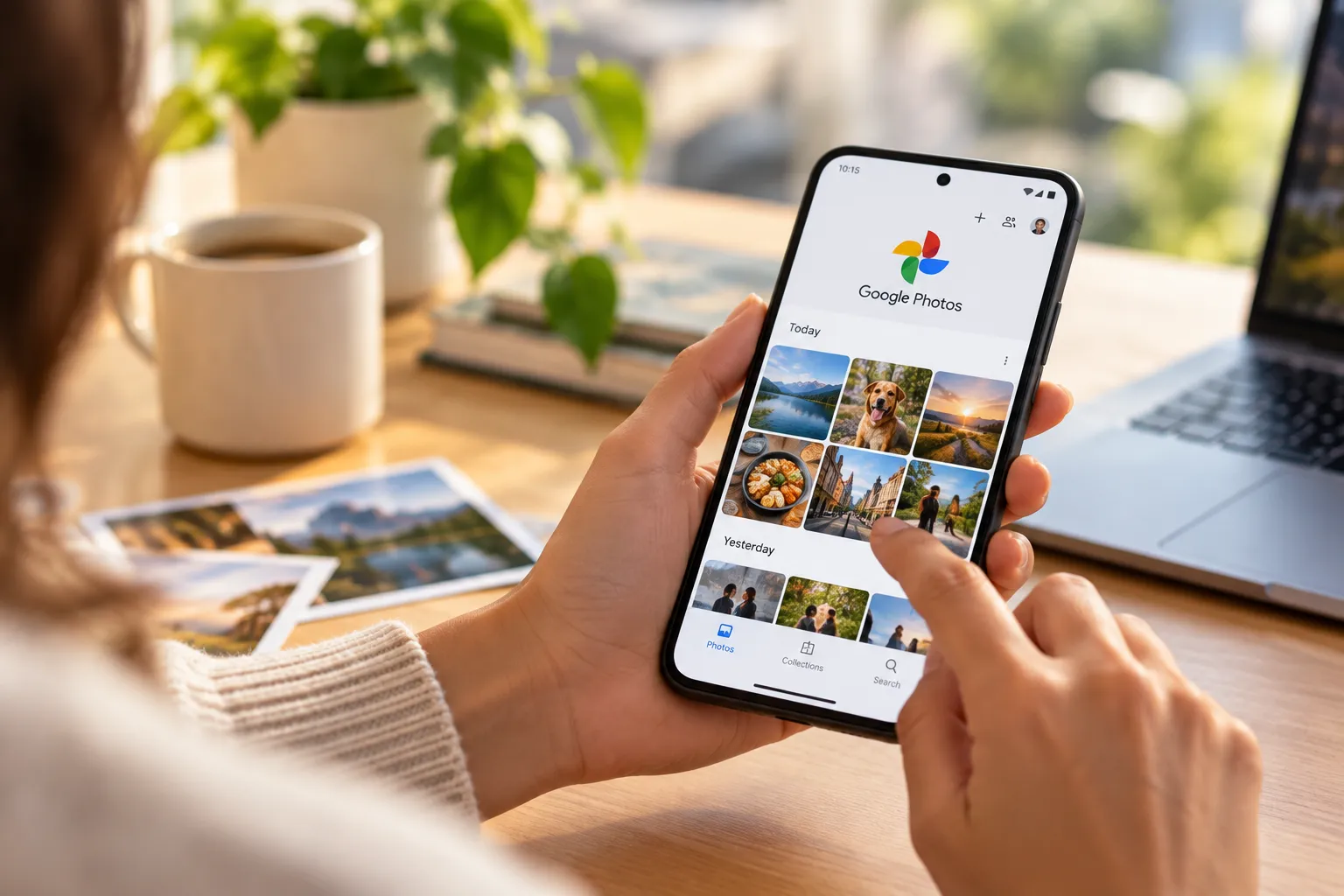
Here's what you need to know: Google Photos is introducing a favorites-only backup option that could be a game-changer for how you approach cloud storage management. The new functionality will allow users to back up only their favorite photos and videos, creating a middle ground between full automatic backup and manual selection (Android Authority).
Think about it - how many times have you opened Google Photos to find thousands of screenshots, blurry photos, or random images you took by accident? When enabled, the system will automatically back up any photos you mark as favorites while leaving the rest stored only on your device (Android Authority). This targeted approach means no more scrolling through endless accidental captures or temporary screenshots cluttering your cloud library.
The storage benefits are substantial. Instead of paying for extra Google One storage because your 15GB is filled with photos you'll never look at again, you'll have precise control over what actually gets backed up. Consider this: if you typically take 200 photos per month but only want to preserve your best 30 shots, you could reduce your cloud storage usage by 85%. It's particularly valuable for people who take hundreds of photos but only want to preserve their best shots in the cloud.
The beauty of this system is its integration with existing workflows - you already know how to favorite photos in Google Photos, so there's no learning curve. You just mark the photos you care about, and those are the ones that get the cloud protection.
The raw photo controversy that Google is finally addressing
This brings us to a situation that's been frustrating photography enthusiasts for about two years, but one that connects directly to the broader theme of user control. Google made a controversial change that lumped JPEG and raw files together in the same folder, causing significant workflow disruption for anyone serious about photography (Forbes).
Previously, Google's Pixel camera app saved these file types separately by default, giving photographers the same kind of selective control over their files that the favorites-only backup now promises. This made sense because raw files are massive - often 10-20 times larger than JPEGs - and automatically syncing them creates the exact storage problem that selective backup aims to solve.
The current system automatically backs up raw photos by default, making it difficult for users to exclude these large files from their photo library (Forbes). A single day of shooting in RAW + JPEG mode can consume gigabytes of cloud storage, often exceeding an entire month's worth of regular photography.
But Google appears to be embracing the same user-control philosophy across all backup functions. The upcoming feature will allow users to save raw files to a separate location outside the main camera folder, potentially restoring the functionality that existed before the policy change (Forbes).
This addresses a key workflow need for photographers who want to keep their raw files for serious editing work but don't necessarily want them eating up their cloud storage. Raw files let you adjust parameters like white balance, dynamic range, and noise reduction without losing quality (Forbes), and keeping them also lets you revisit your photos in the future when raw processing software improves (Forbes). The separation gives you the flexibility of raw editing without the automatic storage commitment.
Enhanced backup controls across the Android ecosystem
Google is extending these same principles of granular user control throughout Android, applying the lessons learned from photo management to broader data backup scenarios. The company is working on individual app toggles that let you include or exclude specific applications from your backup (Android Authority).
What's particularly smart about this approach is how it builds on the storage awareness concepts from photo backup. The new system will sort apps by data size, helping you prioritize attention on the biggest storage consumers (Android Authority). Instead of seeing all apps grouped together during backup configuration, you'll be able to see exactly how much data each contributes to the total and make individual choices (Android Authority).
This mirrors the same decision-making process you'd use with favorites-only photo backup - identifying what's truly worth preserving versus what's just digital clutter. Some apps are data hogs while others barely use any space at all. Now you'll be able to make informed decisions about what's worth backing up and what isn't, just like you would when deciding which photos deserve favorite status.
Google is also preparing changes to downloads folder backups, maintaining the same transparency approach they're bringing to photos. The system will include warnings that file edits won't sync with your Drive copy (Android Authority), ensuring users understand exactly what they're getting, just as they'll understand exactly which photos are being backed up with selective sync.
The per-app backup settings are getting split between user and system apps (Android Authority), which should make the interface cleaner and more logical. When you disable backups for a specific app, Google will inform you that your backup copy will be purged (Android Authority), maintaining the same clear communication strategy across all backup functions.
What this means for your photo management strategy
Bottom line: These upcoming changes represent a fundamental shift from Google's previous all-or-nothing backup philosophy to a sophisticated system of user-controlled data preservation. The favorites-only backup feature transforms casual photo management into strategic memory curation - instead of hoping you'll find your best shots among thousands of backups, you'll be actively choosing what deserves permanent cloud protection.
For photographers, the restoration of separate raw file handling creates opportunities for hybrid workflows that weren't possible during the past two years. You could potentially combine favorites-only backup with selective raw file management to create a system where your best processed JPEGs get cloud protection while your raw files remain available locally for serious editing work.
The broader Android backup improvements suggest we're moving toward an era where backup decisions are informed by data usage patterns and personal priorities rather than blanket policies. Instead of accepting whatever Google decides to sync, you'll have tools that help you think strategically about which data truly needs cloud protection and which can remain local.
Start preparing by auditing your current photo habits - which shots would you actually mark as favorites? Which apps contain data you'd want to recover versus those that are easily replaceable? When these features roll out, having clear criteria will help you make the most of the enhanced control they offer.
The shift also signals Google's recognition that storage isn't just a technical challenge - it's a personal curation challenge that requires tools sophisticated enough to match how people actually use their devices.









Comments
Be the first, drop a comment!