



Reviewed by: Y. Garcia
When Google's Phone app unexpectedly rotates during calls, it catches users off guard. The dialer that once stayed firmly in portrait mode now follows system auto-rotate settings, creating a jarring dual-column interface that many Android users find confusing. This shift reflects Google's broader struggle with balancing innovation and reliability — their recent approach to AI-powered features has prioritized new capabilities over core stability, according to recent analysis.
Why the sudden landscape switch caught everyone off guard
Here's the thing about phone calls — they're supposed to be predictable. You hold your phone to your ear, you talk, you hang up. Simple, right? Well, not anymore. The Phone app's shift to landscape mode represents a fundamental break from the "one-handed phone call" paradigm that users have relied on for years. Previously, Google maintained portrait orientation during calls, understanding that phone conversations typically happen while users are moving, multitasking, or holding the device with one hand. Now the app respects system-wide auto-rotate settings on certain devices, leading to unexpected rotations during conversations.
What makes this particularly jarring is how it transforms the entire call interface when you least expect it. When your phone rotates mid-call — which seems to happen at the worst possible moments, like pulling the device from your pocket or shifting positions in bed — the familiar single-column layout suddenly becomes a dual-pane interface. The caller's information gets relocated to the left while controls migrate to the right, a switch that takes users by surprise precisely because it violates the muscle memory built from years of consistent portrait calling.
This change represents more than just an interface adjustment — it reflects Google's philosophical shift toward treating every app interaction as an opportunity for enhanced engagement, even when users simply want reliable functionality. The timing coincides with broader ecosystem challenges, as Google's December 2025 System Updates introduced persistent bugs in call handling and app permissions, adding to user frustration with what should be the most stable function on any smartphone.
Google's fix arrives, then disappears again
Now here's where things get interesting (and a bit frustrating). Google actually listened to user complaints and attempted to address them by introducing a "Keep portrait mode on calls" toggle in beta version 202 of the Phone app. This setting promised to prevent accidental auto-rotation during conversations, appearing under Display options in the app's settings.
For a brief moment, beta users thought their prayers had been answered. The toggle appeared right there in Settings > Display options under a new "Controls" heading, with a clear description: "Prevents accidental auto-rotation when on a call." Finally, some control over this annoying behavior — an acknowledgment that Google understood the rotation wasn't always welcome.
But then came the plot twist that reveals something troubling about Google's development process. The feature faced an unexpected setback when Google rolled back the setting as of December 26, 2025, removing it from beta users who had briefly enjoyed the control. One day it was there, the next day it wasn't — a classic case of giving users hope and then snatching it away.
This pattern — releasing features before they're fully tested, then pulling them when issues arise — reflects Google's broader struggle to balance rapid innovation with quality control. The rollback suggests Google encountered technical issues or decided to refine the implementation before wider deployment, leaving affected users waiting for a permanent solution while the company figures out how to make such a seemingly basic toggle actually work reliably.
The broader pattern of Phone app instability
The rotation issue isn't just an isolated glitch — it's a symptom of deeper problems with Google's development priorities and their cascading effects on the user experience. Instead of simply listing separate AI integration problems, let's trace how Google's AI-first strategy systematically undermines basic phone functionality.
It starts with Google's internal metrics system, where industry insiders suggest the company prioritizes engagement metrics over reliability scores, potentially incentivizing features that encourage prolonged app usage rather than efficient call completion. This metrics-driven approach pushes AI features like Gemini integration into the dialer, where automated responses sometimes misfire, resulting in awkward or missed communications when timing and clarity matter most.
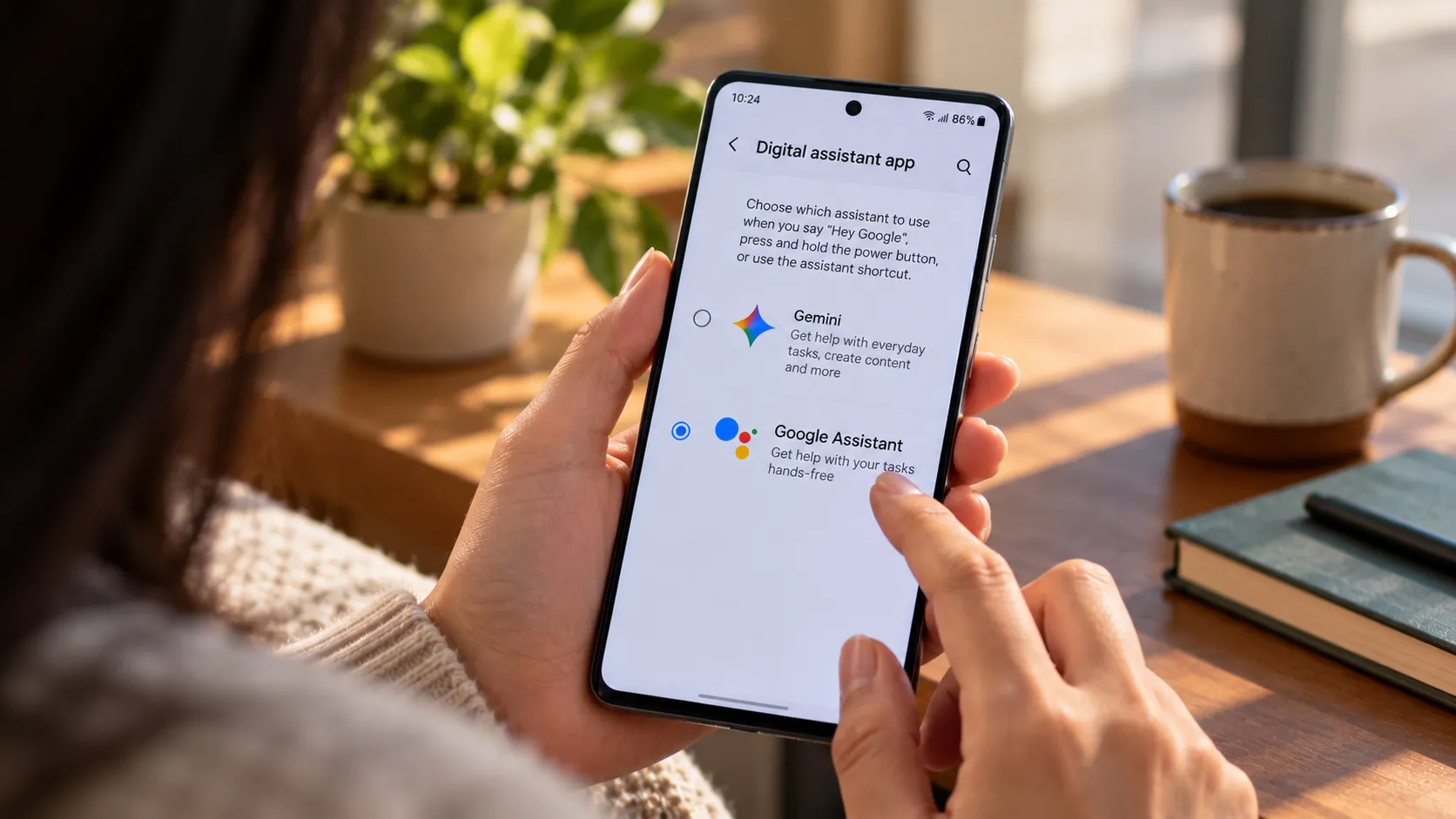
The AI integration then creates a ripple effect. Google Assistant integration triggers unexpected voice prompts that interrupt calls, causing dropped connections during critical moments, while the app's growing complexity makes it more vulnerable to conflicts when security patches are applied. These patches, ironically designed to protect users, sometimes disrupt normal app behavior, forcing users to resort to workarounds like clearing caches or reverting settings, according to user reports.
The result is a Phone app where users can no longer trust basic functions to work predictably, fundamentally undermining the reliability that telecommunications require.
What this means for Android's future
This systematic reliability decline is driving significant market responses that could reshape the Android ecosystem. When Google prioritizes engagement over stability, Android manufacturers like Samsung are responding by customizing their dialers to provide more stable, stripped-down alternatives that focus on call quality rather than AI features.
This manufacturer's response signals a broader trust breakdown. When OEMs start replacing core Google apps with their own alternatives, it creates the kind of ecosystem fragmentation that could dilute Google's dominance if not addressed. Users who experience dropped calls or interface instability don't care about AI transcription features — they just want their phone calls to work reliably.
The situation becomes more complex when regulatory pressures enter the equation. Privacy and regulatory pressures, including upcoming App Store Accountability Acts, may force Google to adapt its APIs, potentially causing further disruptions to an already unstable foundation. Google finds itself caught between compliance requirements, AI innovation goals, and the basic functionality that users actually need.
Looking ahead to 2026, predictions indicate more AI integrations are coming, but the Phone app's current reliability issues suggest Google needs to address foundational stability before adding more complexity. Otherwise, they risk accelerating the ecosystem fragmentation that's already beginning to emerge.
Where do we go from here?
Google's handling of the Phone app rotation issue reveals the delicate balance between innovation and user experience that the company seems to be struggling with. The temporary introduction and subsequent rollback of the portrait mode toggle demonstrates that Google recognizes user frustration but hasn't yet found the right technical solution — a concerning pattern for something as fundamental as phone call orientation.
What's encouraging is seeing grassroots opposition gain momentum. Developers and power users are sharing specific workarounds and code modifications on platforms like X and Reddit, indicating widespread dissatisfaction with the app's direction. When your most tech-savvy users start creating community solutions to bypass your features, that's a clear signal that you've prioritized the wrong things.
The real solution may require a fundamental shift in approach. Insiders advocate for modular updates that allow users to opt out of experimental features, which could restore the Phone app's reliability while still enabling innovation for those who want it. This would give users a genuine choice — something that seems to be missing from Google's current strategy of pushing features whether users want them or not.
Until Google delivers a permanent fix that actually sticks, users will continue adapting to an app that no longer behaves as predictably as the basic phone calls it's designed to handle. It's a reminder that sometimes the best innovation is simply making sure the fundamentals work reliably. After all, when you're trying to make a phone call, you shouldn't have to worry about whether your screen will suddenly rotate to landscape mode, whether an AI assistant will interrupt your conversation, or whether the interface will remain stable throughout the call. Some things should just work — and phone calls are definitely one of them.


Comments
Be the first, drop a comment!