



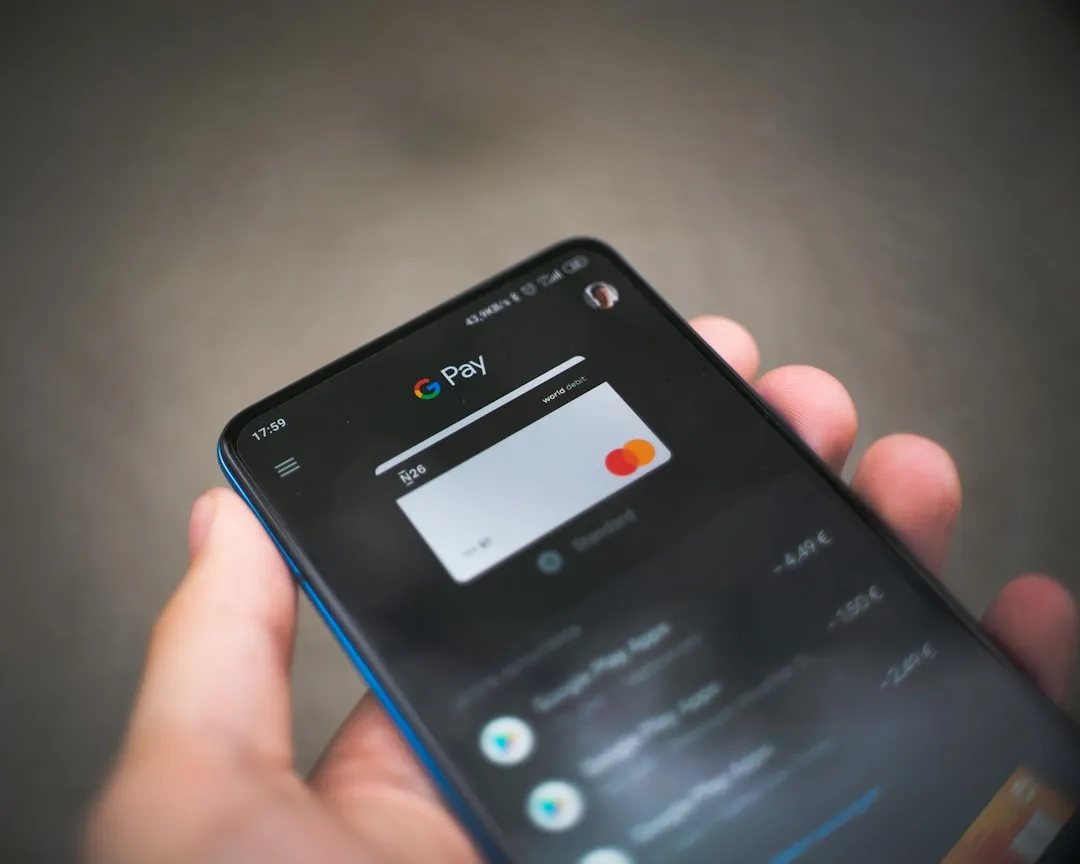
Google Pay Direct Checkout Launches: What Merchants Need to Know
Google launched two targeted updates to its payments platform yesterday, and the split between them is worth understanding clearly. Google Pay direct checkout brings saved Google Wallet payment credentials directly into a retailer's checkout page, cutting out the separate Google-hosted flow that currently pulls shoppers away from the merchant's site. The second update, a revamped Secure Payment Authentication (SPA) system, replaces SMS one-time passwords and bank redirects with a biometric confirmation on the user's Android device. Google's internal testing found authentication time dropped by 50% and conversions rose by 3%, according to the announcement. Those figures come from Google's own data, not an independent audit.
Direct checkout is live today for merchants using Airwallex. Adyen support is coming soon, with no date confirmed. SPA rolls out in the U.K. and Poland over the coming months.
What changed and why it matters
Desktop checkout has a well-documented problem: MFA mandates create interruptions that can lead to cart abandonment, according to Google's developer documentation. These two updates target that sequence through different mechanisms, for different audiences, at different stages of the purchase path.
Direct checkout addresses an on-page structural problem. SPA addresses an authentication interruption that occurs after the shopper has already committed to buying. Conflating them would miss the point of each.
How Google Pay direct checkout and secure payment authentication work
Direct checkout pulls the payment experience onto the merchant's own page. Where shoppers using Google Pay may have previously moved through a separate hosted flow, the updated experience brings payment options from a customer's Google Wallet right to the retailer's checkout page, per Google's announcement. Saved cards, addresses, and preferences surface inside the retailer's UI. The shopper completes the purchase without navigating away from the merchant's site.
On Android, merchants also gain the ability to move the Google Pay button earlier in the purchase path. Using dynamic callbacks that previously existed only on the web platform, the button can appear directly on product detail or cart pages, enabling what Google describes as a 1-click express checkout experience. Shipping options, tax calculations, retries, and authorization all run inside the payment sheet without the UI closing or redirecting. Merchants can authorize transactions, handle retries, and deliver instant feedback without closing the sheet, per the developer post.
SPA handles a different stage entirely. For qualifying desktop transactions, users receive a secure push notification or QR code on their phone. They approve the payment using a biometric unlock or PIN on their trusted Android device, as a simpler alternative to SMS OTPs or redirects, according to Google's developer documentation. The desktop session stays intact throughout. Beyond the user experience improvement, the system provides built-in MFA compliance support and uses Google Pay's tokenized credentials to support merchants' ability to achieve fraud liability shifts, an incentive that goes beyond the shopper-facing benefit.
That last point matters for merchant adoption. A fraud liability shift means financial risk moves to the card network when the authentication standard is met. For merchants who have run through the economics of disputed transactions, that's a concrete operational argument for integration, separate from any conversion rate projection.
Who gets this now, and who is still waiting
Direct checkout is available today, but only for merchants whose payment processing runs through Airwallex. Support for Adyen is listed as coming soon, with no specific date given, per the announcement. No specific retailers have been named at launch.
The updated SPA flow is planned for rollout in the U.K. and Poland over the coming months, in partnership with Visa, Checkout.com, Autopay, and Adyen. Geographic expansion beyond those two markets is unconfirmed.
Both features depend on Android and Google Wallet credentials. SPA's biometric confirmation requires an Android device; direct checkout requires saved Google Wallet payment information. Shoppers outside Google's ecosystem, and those on iOS or desktop-only setups, are outside the scope of both updates as currently described.
For any given shopper, the path to the full experience is narrow: an Android user, at a merchant running Airwallex, checking out in a supported region gets the simplifyd Google Wallet checkout experience today. The SPA desktop improvement additionally requires being in the U.K. or Poland once that phase rolls out. Until Adyen support ships, the reach stays limited to merchants on a single processor. Adyen handles payments for a substantial portion of large-scale retail, which is why that integration, rather than yesterday's announcement, represents the more significant distribution milestone.
What the API also added: card signals and Australian eftpos support
The developer update published last week included two additional changes worth noting for merchants and integrators.
The Google Pay API response now includes a cardFundingSource signal, indicating whether the card used is Credit, Debit, or Prepaid, according to the developer post. For merchants who route transactions differently based on card type, or who need to apply different pricing logic, this removes the need to guess at card category from partial BIN data.
For merchants operating in Australia, Google is bringing the eftpos domestic payment network to the Google Pay API. Using a new merchantPreferredCobadgedCardNetworks parameter, merchants can prioritize the local network and route transactions to eftpos without significant backend changes, per the same developer post. For cobadged cards that carry both an international network and eftpos, this gives Australian merchants direct control over routing at the point of payment.
What merchants get beyond the conversion number
The 3% conversion lift from SPA testing is the headline figure, but several supporting changes address problems that rarely show up in conversion dashboards.
The updated Android payment sheet handles retries and authorization failures without closing the UI, per Google's developer post. A declined transaction no longer forces a shopper to restart the checkout session, which is where many recoverable failures become unrecoverable ones.
For subscription and recurring billing merchants, Google has added token lifecycle notifications. When a customer's underlying card credentials change through an expiry or reissue, the merchant or payment processor receives an alert with the updated token state before the next billing cycle, enabling proactive outreach rather than a silent failed charge, per the developer documentation. Silent payment failures are among the least visible revenue leaks in subscription businesses. Most merchants only discover the scope of the problem when they audit churn and find a cohort of involuntary cancellations that no retention campaign can address after the fact. A lifecycle notification flips that dynamic: the merchant knows before the charge fails, not after.
These updates shift Google's pitch to merchants from checkout speed to failure prevention. The argument isn't just a faster button; it's fewer places where a transaction fails without anyone noticing, at each of the three stages where that tends to happen: the authentication step, the authorization attempt, and the billing cycle.
The Adyen milestone is the one to watch
The immediate rollout is specific: direct checkout for Airwallex merchants starting yesterday, SPA for U.K. and Poland users in the coming months through Visa, Checkout.com, Autopay, and Adyen. Google's internal numbers show a 50% drop in authentication time and a 3% conversion improvement, per the announcement. The metrics are self-reported, but the problem they address, desktop authentication friction as an abandonment driver, is documented independently of Google's claims.
The feature set is coherent. Direct checkout removes the page-handoff problem; SPA removes the authentication-interruption problem; token lifecycle notifications and the in-sheet retry flow reduce silent failure. Each piece addresses a real and distinct breakdown point.
What limits the impact for now is processor reach. Adyen support would extend both the direct checkout experience and SPA to a far larger share of the retail market. When that integration ships, and Google's partner list in the U.K. and Poland includes Adyen already on the SPA side, the scope of these changes becomes measurably broader. That expansion is the signal worth watching; everything announced yesterday is the foundation it requires.



Comments
Be the first, drop a comment!