



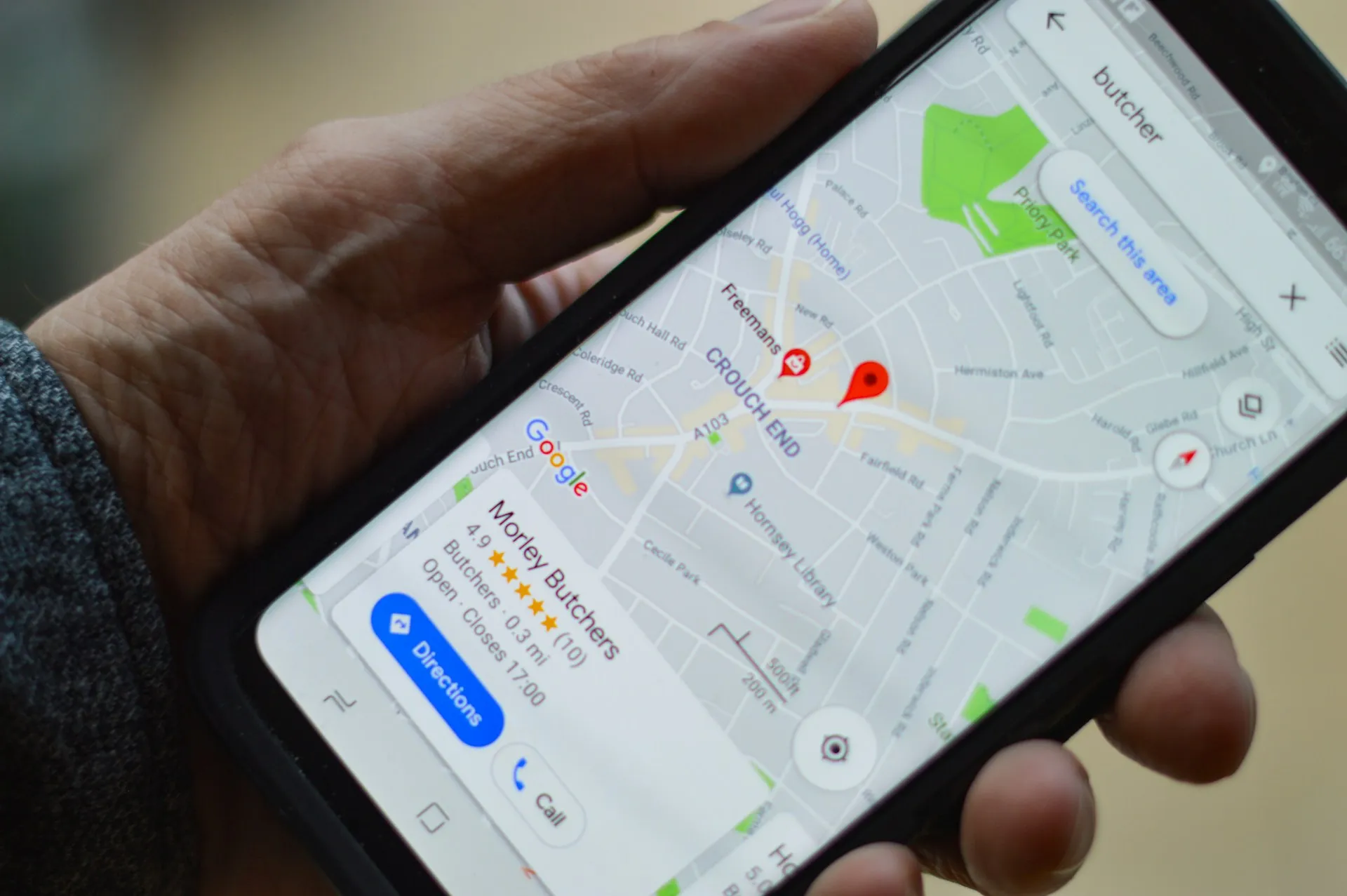
Google's latest Pixel 10 devices just received a significant upgrade that could change how we think about navigation and battery life. The company has begun a comprehensive rollout of a new Power Saving Mode feature for Google Maps, introduced as part of the November Pixel Drop.
This is a targeted solution to one of the most persistent issues plaguing smartphone users: battery drain during navigation. Google claims this feature can extend navigation time by up to four additional hours, according to PC Magazine. However, there's a catch that might leave many Android users disappointed.
What makes this power-saving mode different?
Here's where things get interesting. Unlike traditional battery-saving approaches that simply dim your screen or reduce performance across the board, Google's implementation tackles the root cause of navigation-related battery drain. The feature leverages something called AOD Min Mode—a new Android capability that allows Google Maps to operate directly on the Always-On Display using minimal power consumption.
When you activate this mode, the whole experience transforms. The interface simplifies to black-and-white visuals, operating at reduced brightness levels and a lower refresh rate. This approach is particularly effective on modern OLED displays, where individual pixels can completely shut off when displaying true black—creating substantial power savings that traditional LCD screens simply can't match.
Navigation creates what I like to call the perfect storm of battery-draining activities. You've got continuous GPS tracking happening in the background, mobile data constantly pulling in route updates, and perhaps most significantly, a screen that stays bright and active throughout your entire journey. These elements contribute significantly to battery depletion, particularly during extended drives.
Google's solution focuses specifically on that display-related consumption while maintaining essential functionality. When you're in the black-and-white mode, the predominance of dark areas means many pixels actually deactivate, leading to substantial power savings. It's an elegant approach that doesn't sacrifice the critical information you need while driving—you still get all the essential navigation data, but your battery doesn't take nearly the same hit.
The Pixel 10 exclusivity factor
This is where the frustration begins for the broader Android community. This battery-saving breakthrough remains exclusive to Google's latest range of Pixel phones, including the Pixel 10, Pixel 10 Pro, Pixel 10 Pro XL, and the Pixel 10 Pro Fold. Even recent Pixel models like the Pixel 9 series are left out, as older Pixel models such as Pixel 9 or Pixel 8 series have no access to this feature.
The hardware dependency likely isn't arbitrary marketing restriction—it probably stems from genuine technical requirements. The AOD Min Mode functionality requires specific display controllers and power management systems that are integrated into the Pixel 10's architecture. This represents a new level of hardware-software integration that Google has built specifically to enable these ultra-low-power interface modes.
That said, there's reason for cautious optimism. Android Police suggests that Google may eventually bring it to the Pixel 9 series, though no concrete timeline has been confirmed. More broadly, speculation suggests that the feature should expand to other high-end Android devices within the next few months, particularly as manufacturers adopt similar AOD capabilities in their flagship devices.
This exclusivity strategy follows Google's established pattern of using Pixel devices as proving grounds for advanced features. Historically, innovations like computational photography techniques and AI-powered call screening eventually made their way to other Android devices once the underlying technologies matured and became more widely supported.
How to actually use the power-saving mode
For Pixel 10 owners, accessing this feature demonstrates Google's commitment to seamless user experience. The good news is that the mode activates by default once your phone receives the update, eliminating the need to hunt through complex settings menus.
If you want to verify or adjust the settings manually, the path is straightforward: open Google Maps, navigate to Settings, then scroll down to Navigation, and look for the Driving options subsection. That's where you'll find the Power Saving Mode toggle.
The actual activation during navigation is simple. Start your turn-by-turn driving directions as usual, then press the power button to turn off the display. Here's the impressive part: navigation automatically transitions to the low-power mode on the lock screen. When you need to interact with the full interface again, simply tap the screen or press the power button.
The seamless transition means you can toggle between modes without interrupting navigation or losing your route progress—particularly useful when you need to quickly check traffic conditions or alternative routes.
The feature does come with specific limitations that reflect its current implementation focus. It functions exclusively in driving mode, providing turn-by-turn directions for vehicular travel, with no support for navigation during walking, biking, or public transit. Additionally, the mode operates solely in portrait orientation, with no compatibility for landscape viewing—a constraint likely tied to AOD display architecture and power management optimization.
What this means for the Android ecosystem
This development signals both promising innovation and concerning fragmentation trends within Android's evolution. On the innovation front, Google has demonstrated that meaningful battery optimization is achievable without compromising essential functionality. The company's claim of up to four additional hours of navigation time represents a genuine breakthrough for users who depend on GPS navigation for professional driving, long-distance travel, or daily commuting.
However, the Pixel 10 exclusivity raises important questions about Android's commitment to ecosystem-wide improvements. While Google has a history of expanding Pixel Drop features to other devices over time, this particular feature's hardware dependencies may create longer-term divisions within the Android landscape.
The timing aligns with broader industry trends toward specialized hardware-software optimization. As smartphone manufacturers increasingly differentiate through efficiency improvements rather than raw performance gains, Google's approach of targeting specific high-drain applications could establish new competitive standards. The success of this feature may influence how Samsung, OnePlus, and other manufacturers approach similar optimization challenges in their own devices.
What makes this particularly noteworthy is the shift from broad-based battery saving to targeted, use-case-specific optimization. Instead of generic performance throttling or background activity limits, Google is addressing the precise scenarios where users most need extended battery life while maintaining full functionality.
The road ahead for navigation efficiency
This Power Saving Mode likely represents the first iteration of a broader evolution toward context-aware power management. The success of this targeted approach on Pixel 10 devices will probably influence industry-wide development of similar optimization strategies.
We can expect competitive responses from major Android manufacturers, each developing their own solutions for power-efficient navigation. Samsung's upcoming Galaxy devices may integrate similar AOD-based optimizations, while OnePlus and other manufacturers might pursue alternative approaches using their proprietary power management systems.
The real test for Google will be balancing continued innovation with ecosystem accessibility. The current technical requirements genuinely necessitate newer hardware capabilities, but Google's long-term success depends on making these improvements available to the broader Android user base. Historical precedent suggests that today's Pixel-exclusive features often become tomorrow's standard Android capabilities, but the timeline depends on industry adoption of supporting technologies.
Beyond navigation, this optimization approach could extend to other battery-intensive applications. Video streaming, gaming, and augmented reality applications could all benefit from similar targeted power-saving modes that maintain core functionality while dramatically reducing energy consumption.
For now, Pixel 10 users have access to a genuinely transformative tool that addresses one of smartphone users' most persistent pain points. Whether this innovation reaches other devices—and how quickly—will indicate Google's vision for Android's future and their commitment to improving experiences across the entire ecosystem, not just for early adopters of flagship hardware.
The bottom line is clear: Google has proven that meaningful battery life extension is possible without sacrificing essential functionality. Now the question becomes whether they can democratize that benefit across the Android landscape or if it remains another premium feature tied to the latest hardware generation.






Comments
Be the first, drop a comment!