





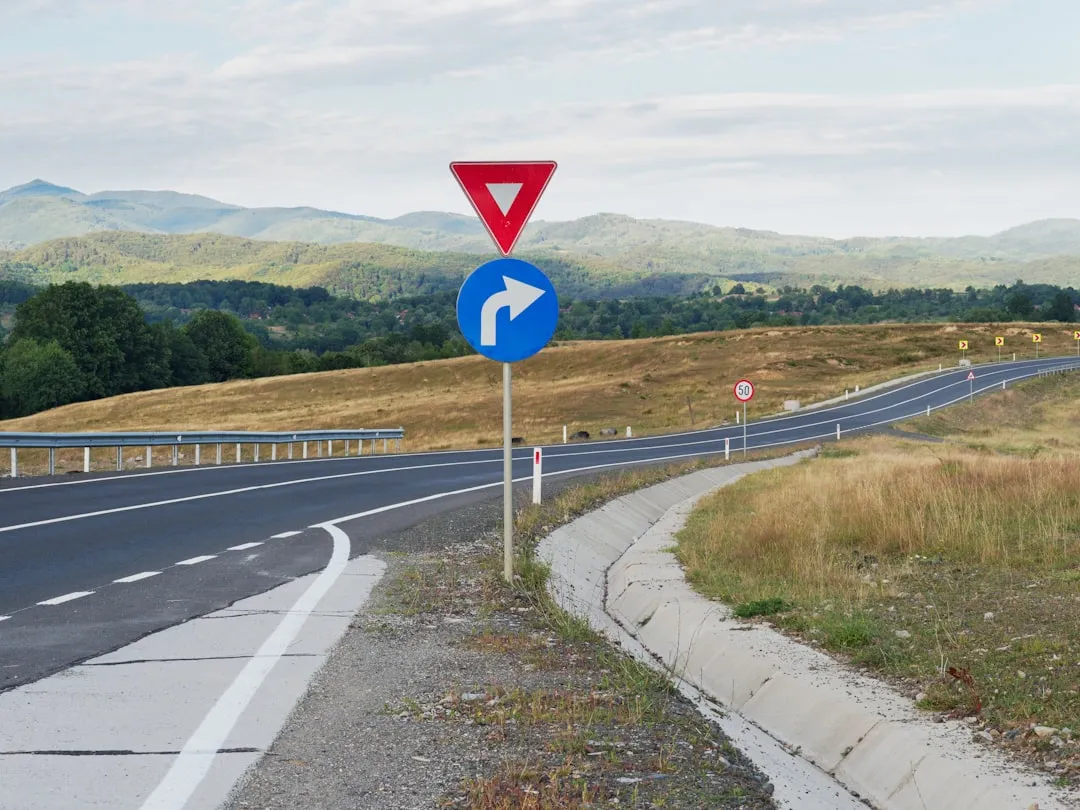
If you've ever jerked the wheel at the last second because Google Maps chirped "turn right in 200 feet" while you were camped in the far left lane, take a breath. Relief just arrived. Google Maps launched an AI-powered Live lane guidance feature for cars with Google built-in (Polestar 4 is the first car announced) on 2025-11-04.
A notable piece of the puzzle is accuracy. Some research demonstrates decimeter-level localization in controlled settings using vision-based methods; results vary by environment and dataset (see cited studies) (ScienceDirect). That kind of cost profile brings advanced lane detection to more drivers, not just premium models. Research into automated lane-level map updating shows how automation could reduce manual annotation bottlenecks; these are active research projects (arXiv).
What comes next for navigation technology?
This upgrade opens a clear lane for what follows. Google Maps already weaves in machine learning for image recognition, traffic prediction, and personalization (Medium), so the same computer vision that powers continuous lane guidance can carry into augmented reality overlays and richer, real-time scene understanding.
Because the platform processes big data in real time (Medium), it is poised to absorb more environmental context. Expect the current lane detection foundation to support broader awareness, including high-precision localization and cooperative perception between vehicles (ScienceDirect).
As autonomous vehicles scale up, the lane detection behind today's enhanced navigation moves toward perception-based navigation with live, collaborative mapping (ScienceDirect). Logical next steps include AR that shows where to place your car in real time on your screen, and personalization that adapts to your driving patterns and preferences (Medium).
Bottom line, enhanced lane guidance is a building block for transportation that anticipates rather than reacts. We are watching early pieces that will help bridge human-driven and autonomous vehicles, starting with something as simple as knowing which lane to choose. The same tech that saves you from a white-knuckle merge today could someday make human and automated driving feel like a smooth handoff.

Comments
Be the first, drop a comment!