





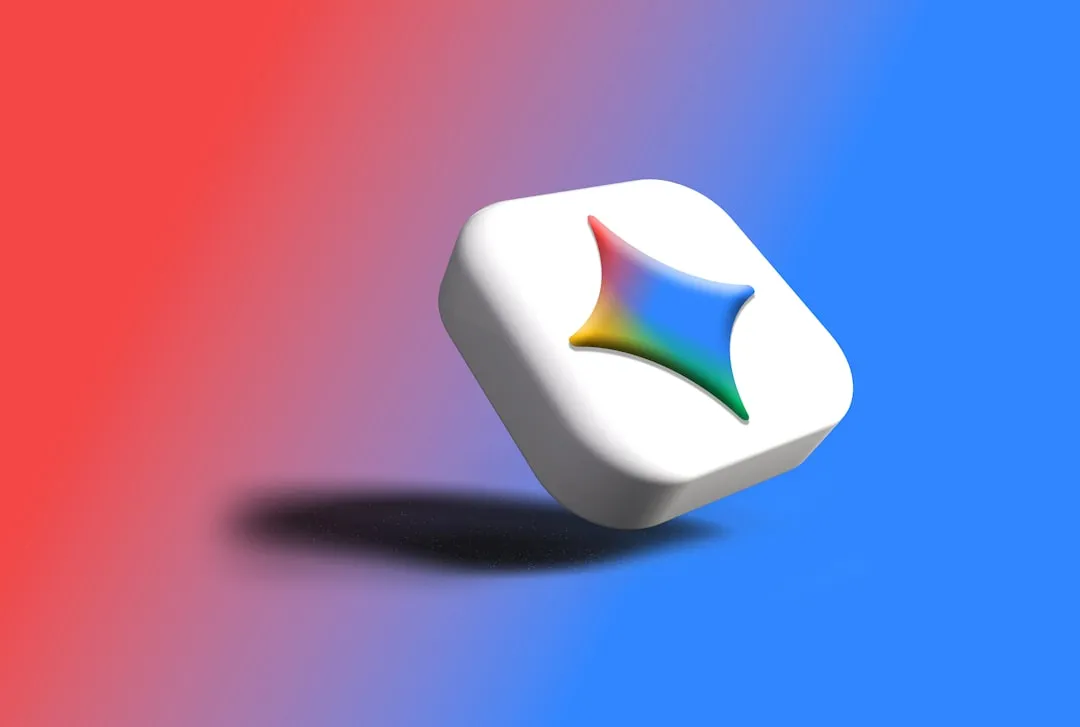
The world of AI assistants is evolving at breakneck speed, and Google's Gemini is no exception. Recent APK teardown analysis has uncovered fascinating evidence that Google is quietly experimenting with significant interface changes for its AI assistant, including what could be a game-changing Discover tab. These aren't just cosmetic tweaks—they represent a fundamental shift in how Google envisions users interacting with AI-powered assistance.
The discovery comes at a crucial time when AI assistants are battling for user engagement and trying to solve the age-old problem of discoverability. While users know these tools are powerful, many struggle to unlock their full potential simply because they don't know what to ask for. Google's experimental approach suggests they're taking this challenge seriously, potentially transforming Gemini from a reactive assistant into a proactive discovery platform.
What exactly is Google testing in Gemini?
Here's where things get really interesting. The APK teardown reveals Google is experimenting with multiple interface elements simultaneously, suggesting a comprehensive reimagining of the Gemini experience rather than just minor tweaks. The most significant addition appears to be a dedicated Discover tab, which would fundamentally change how users interact with the AI assistant by shifting from purely query-based interactions to a more exploratory model.
Think about it this way—instead of staring at that blank chat interface wondering what to ask, users would have a curated space showcasing what's possible. It's like the difference between walking into an empty room and being handed a menu of options.
Beyond the Discover functionality, evidence points to sidebar and overlay control experiments that could streamline navigation and make advanced features more accessible. These interface changes suggest Google is directly addressing the complexity problem that plagues many powerful AI tools. You know how it is—the more capable these assistants become, the harder it gets for average users to know where to start.
Perhaps most intriguingly, the teardown suggests Google is testing ways to display AI thought processes, potentially giving users insight into how Gemini arrives at its responses. This transparency feature could be a game-changer, helping users understand not just what Gemini thinks, but how it thinks. Imagine being able to see the reasoning steps that lead to a particular recommendation or analysis—it's the kind of feature that could transform how people trust and engage with AI systems.
These interface experiments directly respond to observable user behavior patterns where people consistently underutilize AI assistants simply because they don't know what's possible. By introducing a discovery-focused interface, Google could solve what I like to call the "blank page problem" that plagues many AI interactions. We've all been there—you open up an AI assistant, ready to be productive, and then... nothing. What do you even ask?
How this compares to existing Google surfaces
Now, Google already operates several discovery-focused surfaces, most notably the original Google Discover feed that appears in the Google app and as a home screen panel on many Android devices. But here's the key distinction—a Gemini Discover tab would represent a fundamentally different approach, one focused on AI capabilities rather than content consumption.
Let me break this down for you. The original Discover feed excels at surfacing relevant articles, news, and content based on your interests and search history. It's pretty good at showing you stuff you might want to read or watch. But a Gemini Discover tab would likely focus on showcasing AI capabilities, suggesting prompts, demonstrating features, and helping users understand what types of tasks Gemini can handle effectively.
This distinction matters because it addresses entirely different user needs. While the traditional Discover feed answers "what's happening in the world that might interest me," a Gemini Discover tab would answer "what can AI help me accomplish today." It's the difference between passive content consumption and active capability exploration.
The strategic challenge here extends beyond just interface design—Google needs to ensure these surfaces complement rather than compete with each other. Nobody wants a confusing ecosystem where you're not sure which Discover tab does what. Creating a cohesive experience where users can seamlessly move between content discovery and AI assistance will be crucial for avoiding user confusion and maximizing engagement across Google's AI ecosystem.
What these changes mean for Google's AI strategy
These experimental features reveal some pretty important insights about Google's broader AI product direction and competitive positioning. The emphasis on discoverability suggests Google recognizes that raw AI capability isn't enough anymore—users need guidance and inspiration to fully leverage these tools.
Think about it from Google's strategic perspective. They've built this incredibly powerful AI system, but if people only use it for basic questions because they don't know what else it can do, that's a massive missed opportunity. By making capabilities more discoverable, they're essentially trying to increase user engagement surface area while positioning Gemini as an indispensable daily tool rather than an occasional utility.
The potential inclusion of thought-process visualization is particularly telling from a competitive standpoint. This indicates Google may be prioritizing transparency and user education over the "black box" approach that characterizes many AI interactions. While some companies are content to let their AI systems remain mysterious, Google seems to be betting that showing users the reasoning process will build trust and differentiate Gemini in an increasingly crowded market.
This transparency approach makes strategic sense when you consider the current AI landscape. As AI assistants become more powerful and ubiquitous, user trust becomes a critical competitive advantage. People are naturally more comfortable with systems they can understand, even if that understanding is just surface-level.
From a broader competitive standpoint, these changes position Gemini as more than just another chatbot competing with ChatGPT or Claude. By focusing on discovery and exploration, Google is attempting to create a more engaging, sticky experience that keeps users coming back to explore new capabilities rather than simply using AI for one-off queries. It's the difference between being a tool you use occasionally and being a platform you explore regularly.
The timing also aligns perfectly with Google's broader push to integrate AI across its product ecosystem, suggesting these Gemini improvements could eventually influence how AI features appear in Search, Gmail, Docs, and other Google services.
Where do we go from here?
Here's the reality check: the experimental nature of these features means there's no guarantee they'll reach general availability. Google tests lots of things that never see the light of day. But the comprehensive scope of this testing suggests Google is seriously committed to reimagining the Gemini experience rather than just throwing incremental improvements at existing problems.
The success of these experiments will likely depend on user engagement metrics and feedback from limited testing groups. Google will be watching closely to see if these discovery features actually increase daily active usage and user satisfaction, or if they just add unnecessary complexity to what many users prefer as a simple chat interface.
For Android and AI enthusiasts, these developments represent an exciting glimpse into the future of human-AI interaction. The shift toward discovery-focused interfaces could influence the entire industry, potentially inspiring similar approaches from OpenAI, Anthropic, and other AI assistant providers. When Google makes a move this significant in interface design, the entire tech industry usually pays attention.
The key question moving forward will be execution quality. Google has the technical capabilities, user research resources, and massive user base to make these features successful—that's not in doubt. But the real test will be whether they can create genuinely useful discovery experiences that enhance rather than complicate the user journey.
If Google nails the execution, we could be looking at a new paradigm for AI assistant interfaces—one that makes advanced AI capabilities as discoverable and accessible as searching the web has become. That would be pretty remarkable, considering how natural and intuitive web search feels to most people today.
Bottom line: the stakes are high here. Get it right, and Google could set the industry standard for how we all interact with AI assistants in the future. Get it wrong, and it becomes another case study in feature bloat that nobody asked for. Given Google's track record with thoughtful interface evolution in products like Search and Maps, I'm cautiously optimistic they'll land closer to the former than the latter.





Comments
Be the first, drop a comment!