



Reviewed by: Y. Garcia
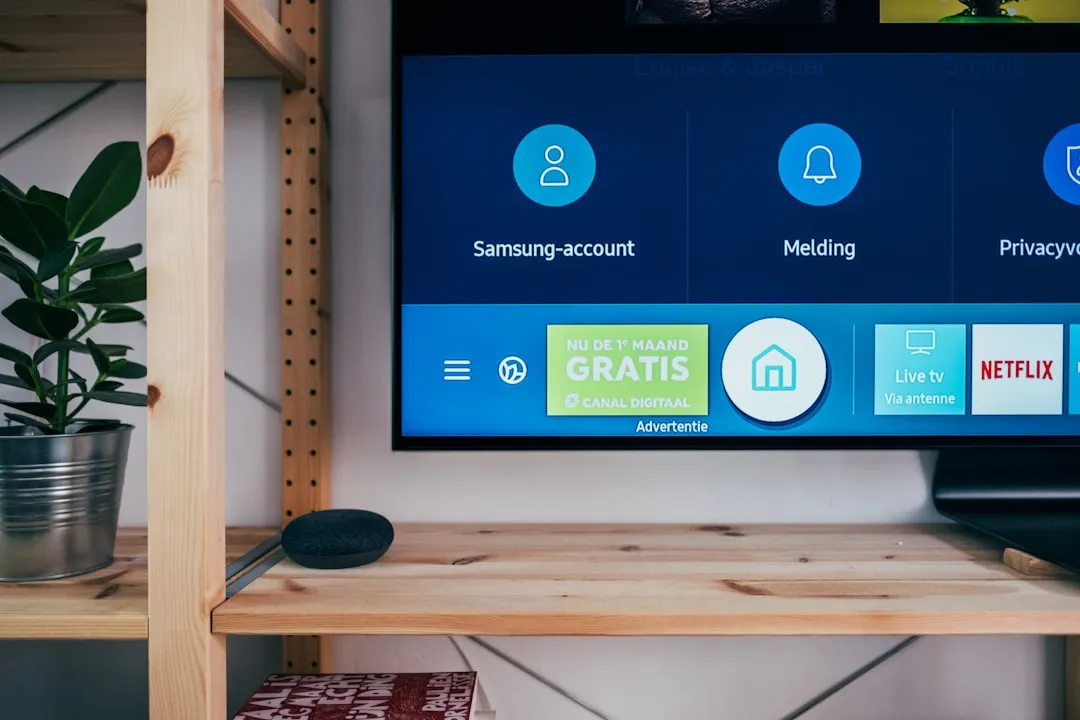
When Google first whispered about bringing Gemini to the living room back in November, it felt like we were getting a glimpse of the future. Now at CES 2026, we're not just talking about glimpses anymore — we're looking at a complete reimagining of how we interact with our TVs.
Google's latest announcement represents a significant leap forward for smart TV technology. The tech giant revealed an expanded suite of Gemini AI features coming to Google TV devices, demonstrating a vision where televisions become truly interactive media companions rather than passive entertainment screens. Google showcased these enhanced capabilities at the Las Vegas trade show, according to MacRumors, with a rollout beginning on select TCL devices before expanding to other Google TV hardware in the coming months, as reported by Broadband TV News. These developments build strategically upon Google's November integration of basic Gemini functionality, noted by Dataconomy, creating a foundation for what could become the new standard for smart TV interaction across the industry.
What makes these visual responses so compelling?
Imagine asking your TV about something and instead of getting a boring text response, you get a full multimedia presentation tailored to your specific question. That's the core innovation Google's bringing to living rooms everywhere.
The centerpiece of Google's TV upgrade focuses on transforming how information appears on screen through what they're calling a "visually rich framework." Gemini responses will now utilize a multimedia-rich presentation format that combines text with supporting visuals, according to MacRumors. This enhanced framework adapts dynamically to user queries, incorporating high-resolution imagery, video content, and live sports updates as needed, as detailed by 9to5Google.
But what really caught my attention is the "Deep Dives" feature. The system goes beyond simple text responses by offering "Deep Dives" - narrated, interactive explanations designed to make complex topics accessible to entire households, reported by Broadband TV News. Think of it like having a personal documentary narrator who can adapt their explanation based on who's asking the questions and adjust the complexity level for different family members watching together.
This visual-first approach addresses a fundamental limitation of current voice assistants — the TV's large screen becomes a canvas for rich, contextual information rather than just an audio response device. For families, this means educational moments can happen organically during regular TV time, and for accessibility, visual learners finally get AI responses designed for their preferred information processing style.
How does voice control actually simplify TV management?
You know that annoying dance we all do when the TV's too dark or we can't hear the dialogue properly? Fumbling around for the remote, navigating through endless menu trees, pausing our show... Google's about to make all that feel pretty ancient.
Perhaps the most practical advancement involves natural language control of television settings. Users can now address common viewing issues by simply telling Gemini phrases like "the screen is too dim" or "I can't hear the dialogue," and the system will automatically adjust picture and sound settings, according to MacRumors. What's brilliant about this is the seamless timing — this functionality eliminates the need to pause content and navigate through complex menu systems, as noted by TechCrunch. Google designed this feature to work during active viewing, allowing viewers to make adjustments without interrupting their entertainment experience, reported by The Verge.
The broader implications here go beyond convenience. For older family members who struggle with complex remote controls, or people with mobility limitations who find menu navigation challenging, this represents a genuine accessibility breakthrough. Instead of memorizing button sequences or hunting through settings, anyone can describe their viewing preferences in everyday language and expect immediate, appropriate adjustments.
Why are Google Photos and AI creation tools coming to TV?
Here's where things get interesting from both a practical and strategic perspective. Google's integration extends beyond content discovery to personal media management and creation, positioning the TV as a family's central digital hub.
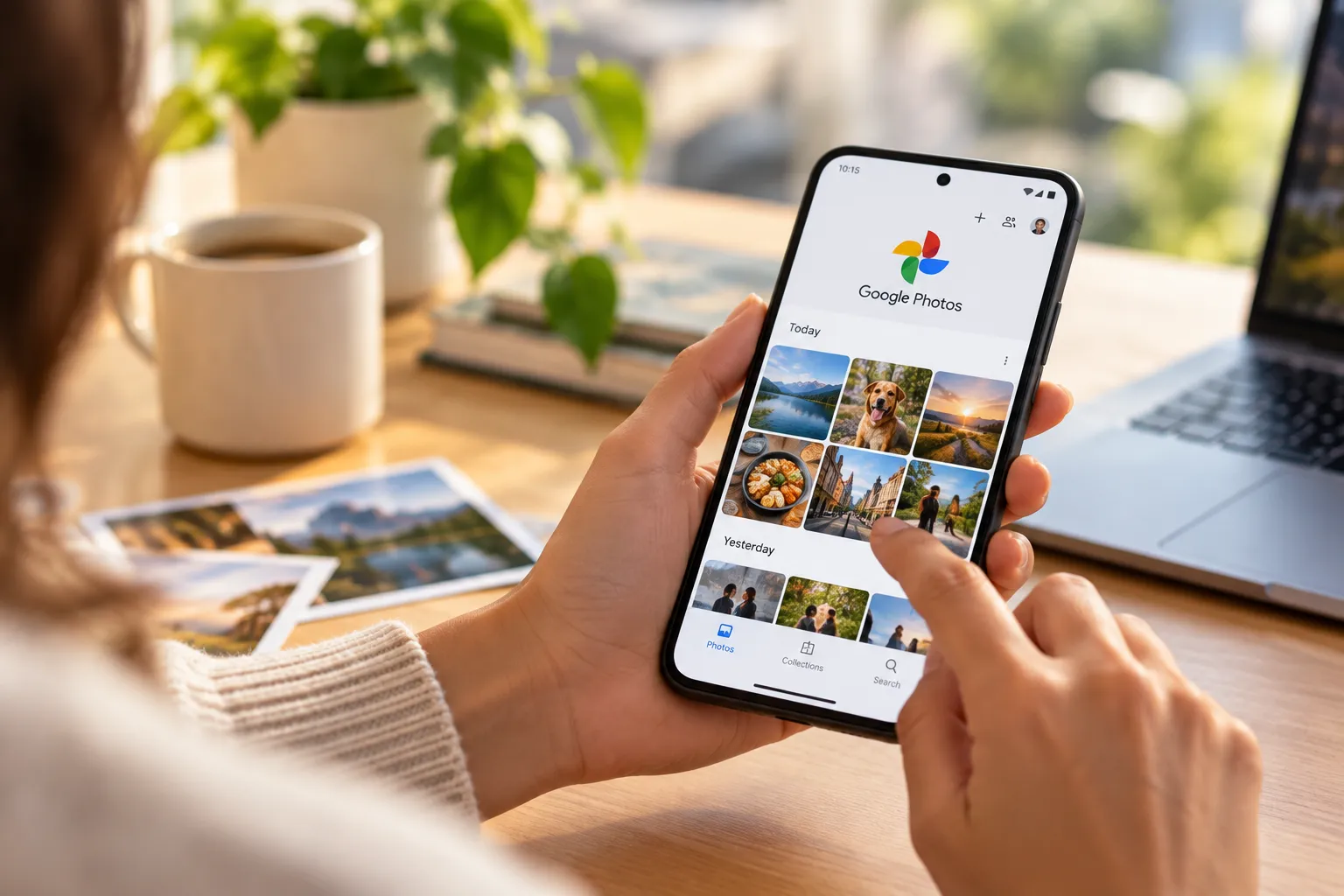
The updated Gemini system enables users to search their Google Photos libraries for specific people or memorable moments directly from their television, according to MacRumors. But it doesn't stop at basic searching — the platform will support photo editing with artistic style applications and the creation of cinematic-style slideshows, as reported by Broadband TV News.
Now here's where it gets really futuristic: Google's Nano Banana image generator and Veo video creation tool will operate directly on compatible televisions, allowing users to reimagine existing photos or generate entirely original media content, noted by MacRumors. Imagine telling your TV to create a video montage of last summer's vacation with a specific mood and music style, or asking it to reimagine your family photos as Renaissance paintings — all while everyone's gathered around the biggest screen in your house.
This expansion addresses several practical considerations that weren't immediately obvious. First, it leverages the TV's superior display quality for photo and video work compared to phone screens. Second, it creates collaborative opportunities where families can work together on creative projects using shared screen space. Third, from Google's perspective, it deepens user engagement with their ecosystem while showcasing their AI capabilities in a social, family-friendly context where positive experiences get shared and remembered.
What does this mean for the broader TV ecosystem?
Bottom line: this isn't just about Google anymore, and the implications extend far beyond a single company's product strategy.
The most intriguing development involves cross-platform adoption. Apple and Google have announced a collaboration that includes Gemini helping power future Apple Intelligence features, including Siri, MacRumors reports. The next-generation Apple TV is expected to receive an A17 Pro chip that supports Apple Intelligence capabilities, as reported by the same source. This cross-platform adoption suggests that Google's innovations could appear across multiple television platforms, not just Google TV devices, noted by MacRumors.
What's strategically interesting is how this could standardize certain AI interactions across different TV brands and ecosystems, potentially creating industry-wide expectations for voice control and visual AI responses.
However, the technical barriers remain significant. The technical requirements are substantial: devices need Android TV OS 14 or higher, internet connectivity, and Google account integration, according to TechCrunch. Initial availability will be limited to select devices, countries, and languages, as noted by Google's official blog. This staged approach suggests Google is being cautious about scaling challenges while testing user adoption patterns and refining the technology based on real-world usage data.
The gradual expansion to additional Google TV hardware and even projectors indicates Google's commitment to widespread deployment, reported by Broadband TV News, but also highlights the complexity of delivering consistent AI experiences across varied hardware capabilities.
Where do we go from here?
These Gemini enhancements signal a fundamental shift in how we conceptualize television's role in digital family life. The combination of visual AI responses, natural language control, and integrated creative tools repositions TVs from entertainment appliances into comprehensive digital companions, as demonstrated at CES 2026, according to Dataconomy.
What excites me most about this staged rollout, beginning with TCL devices, is how it provides a real-world testing ground for features that could eventually define smart TV standards across the industry, as reported by multiple sources, including The Verge. Google's integration of advanced AI models like Nano Banana and Veo directly into television hardware suggests that future entertainment devices will completely blur the traditional boundaries between content consumption and creation, according to Ars Technica.
The success of these features will ultimately depend on execution quality, privacy considerations, and user adoption rates in real family environments. However, Google's comprehensive approach — combining discovery, control, creativity, and education — positions these TVs as central hubs for digital family life rather than simple viewing devices.
We're looking at a future where the TV becomes a genuine family computer that happens to be excellent at entertainment. Whether that evolution feels natural and helpful or overwhelming and intrusive will likely depend on how smoothly Google can make these interactions feel conversational rather than technical. The early TCL rollout should give us our first real indication of whether families embrace this vision or find it unnecessarily complex for what used to be a simple "turn on and watch" experience.




Comments
Be the first, drop a comment!