





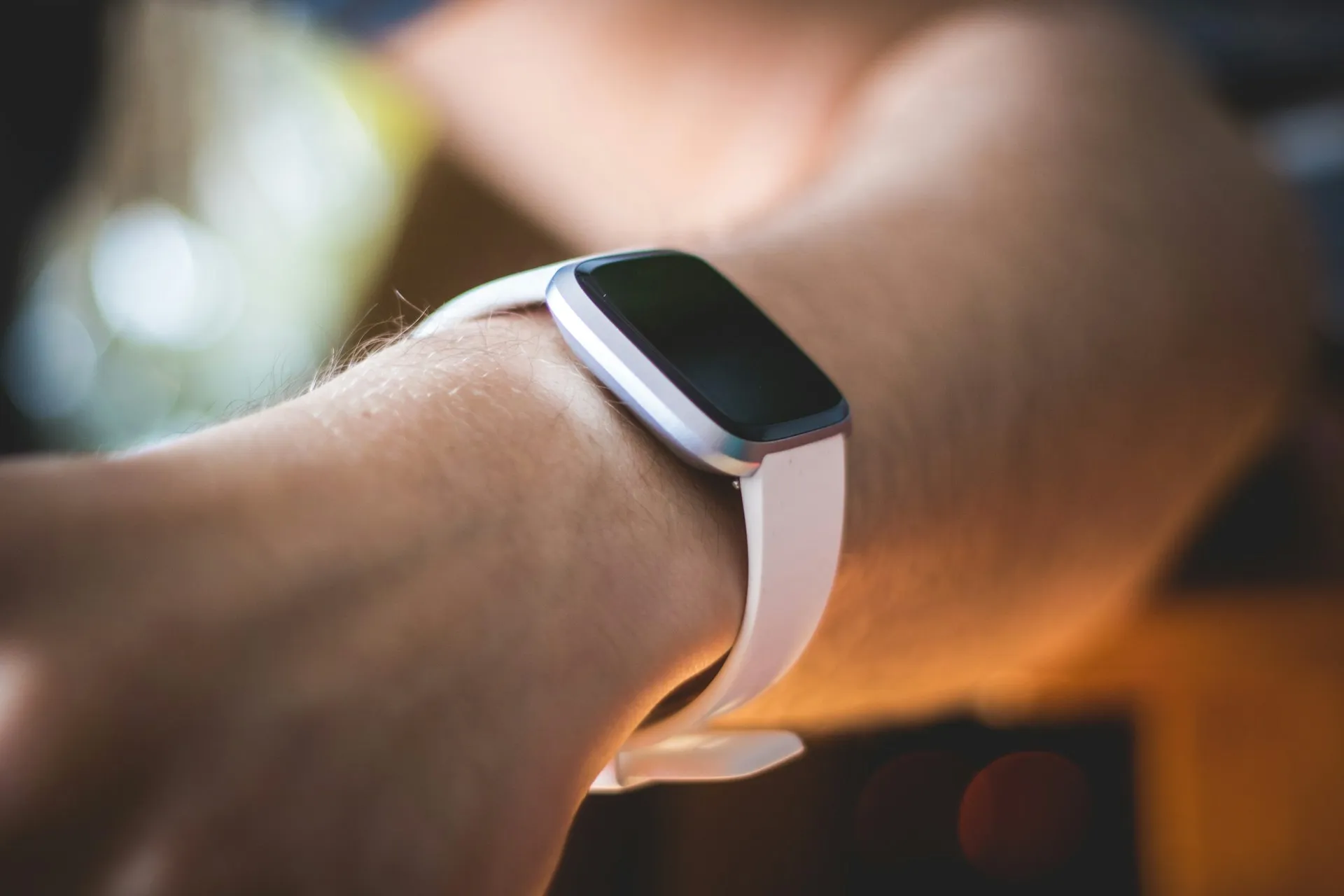
Some Fitbit Air pre-orders began arriving recently, a full day ahead of the official May 26 launch. For iPhone owners, that was a welcome surprise. For Android buyers, it meant unpacking a $99.99 tracker they couldn't use.
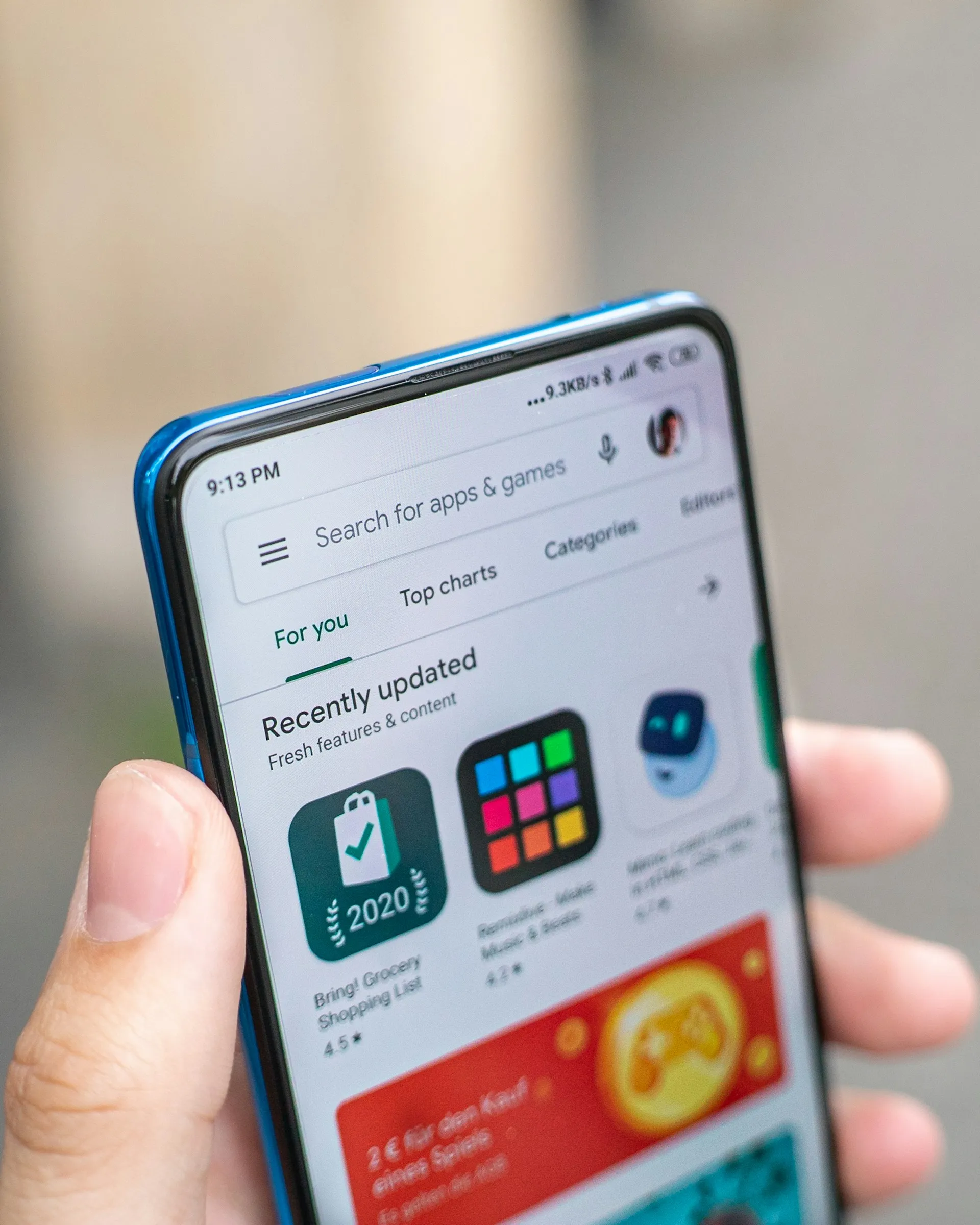
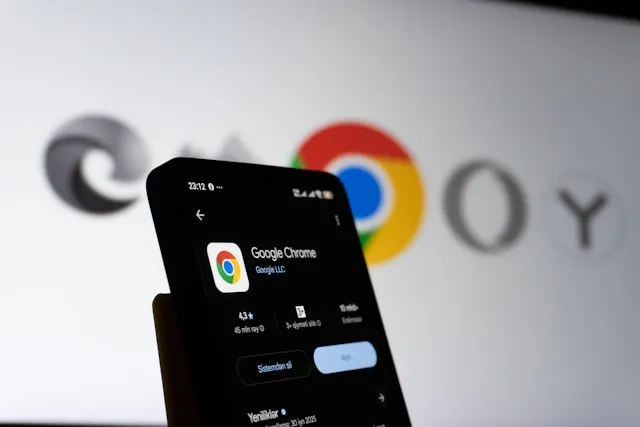
Google Fitbit Air pairing issues surfaced almost immediately, with affected users hitting a prompt reading "app update required" during setup, because Google Health 5.0 had not yet finished rolling out to Android devices through the Play Store. Google later said the rollout had completed and affected users should now be able to pair after updating.
A member of Google's product team named Andy confirmed the problem in a Reddit thread, and the response is worth quoting directly: "We are doing our best today to accelerate the rollout of the updated app on Android via Play to accommodate early deliveries, and it should be available shortly.
Anyone on iOS should be able to update via the App Store already," he wrote. Google did not publish a standalone support page for the issue, but later said the Android rollout had completed.
Google Fitbit Air Android pairing problem: why users are stuck at setup
The scope of the problem isn't fully established. Current reporting draws on Reddit threads and a handful of early recipients; Google has not said how many Android devices are affected or whether the rollout gap is tied to region, Android version, or account type.
The Play Store uses a staged deployment model that pushes updates to users on different schedules rather than all at once, which appears to be the mechanism behind the mismatch, though that characterization is based on general background, not explicit sourcing from the reports covering this issue.
What is documented: hardware reached some buyers before that staged rollout completed, iOS had the update ready when early deliveries arrived, and Android users could not get past the pairing screen.
The confirmed guidance was to update Google Health through the Play Store and try pairing again; Google later said the update had rolled out to all users. Sideloading or manually forcing the install has not been confirmed as a working option by Google or any coverage of the issue.
Why a missing app update completely blocks this device
For most trackers, a missing app update is an inconvenience. For the Fitbit Air, it is a full stop.
The device has no screen, no buttons, and no independent interface of any kind. That's a deliberate design choice, not an oversight the tracker is a small plastic puck, roughly 1.4 inches long and 0.7 inches wide, built to disappear on the wrist while sensors do the work.
It can store about a day of health data without a phone connection, per the same report. But it cannot be paired, configured, or used in any meaningful sense without Google Health 5.0.
Every metric the device collects surfaces through that app. Heart rate, SpO2, skin temperature, sleep stages, Afib rhythm alerts, heart rate variability none of it is accessible without the app running on a connected phone, when the device was announced earlier this month.
The Gemini-based AI Health Coach, which provides personalized analysis under the Google Health Premium subscription, lives there too. Google Health isn't a companion to the Fitbit Air; it is the interface.
That dependency matters more given what buyers are committing to. The Fitbit Air comes with three months of Google Health Premium included, after which continued access costs $10 per month or $100 per year.
A device that sits paired to nothing on day one isn't a minor friction point for a product asking users to buy into a subscription platform. The free trial is activated in the Google Health app after pairing, according to Google's product page.
The awkward part: a Google product locked out on Google's platform
The Fitbit Air is a Google product. Android is Google's platform. The fact that iPhone owners could complete setup without issue while some Android buyers were left staring at an error prompt is the detail that makes this more than a routine launch hiccup.
The gap comes down to how the two platforms handle app distribution. iOS had Google Health 5.0 available through the App Store when early deliveries arrived. Android did not, as the reporting confirms. The sources don't detail exactly why the iOS update was ready while the Android rollout was still staged only that the situation played out that way.
The timing lands at an uncomfortable moment in Google's broader health strategy. The Fitbit Air wasn't announced as just another tracker. Google introduced it alongside the new Google Health app and Google Health Coach as the entry point to a rebuilt wellness platform.
The existing Fitbit app was already described as scheduled to transform into Google Health "in the coming weeks" when the device was unveiled, which helps explain how hardware timelines could outrun software readiness. When you're mid-transition, with the app itself still rolling out, shipping devices early compresses an already tight margin.
That platform transition carries hard consequences beyond early adopters. Google says it will begin migrating Google Fit users into Google Health later this year, at which point anyone still using it will need to migrate their data to Google Health. That's not a voluntary move for those users.
Early impressions of the new platform have had their own friction. The AI Health Coach reportedly hallucinated workout data during first use — a poor opening signal for a service priced at $10 per month, whatever caveats apply to early testing.
For a company asking millions of users to trust a new health platform, in some cases without choosing to, the optics of Android buyers being unable to use a Google device on Google's own operating system are not ideal. It's a small problem. It will likely resolve before or around tomorrow's launch. But it's the kind of small problem that's harder to dismiss when the entire pitch rests on execution.
What to expect next
For Android buyers with a Fitbit Air in hand: check the Play Store for a Google Health update, try pairing again, and expect the rollout to reach most devices before or around tomorrow's official launch. That is the only guidance available, and it comes from a single Reddit comment rather than any support documentation Google has published.
The practical fix should arrive quickly. Whether Google follows up with a formal acknowledgment beyond Andy's post is worth watching, given that the company is simultaneously asking existing Fitbit and Google Fit users to trust a platform migration. Reports also noted that Google confirmed Apple Health sync is coming soon, which suggests the platform roadmap extends well past today's rollout problem.
The launch-day software gap on Android will almost certainly be a footnote by the time the Fitbit Air reaches most buyers. Whether it's a footnote about a minor logistics mismatch or an early signal about how Google handles a platform, it's asking users to depend on that question takes longer to answer.




Comments
Be the first, drop a comment!