



Google Ordered to Remove Android App Store Warnings
In a San Francisco courtroom last week, Judge James Donato watched a live demo of the Google Play installation flow and interrupted with a single question: "Wait, why did Walmart come up?" Days later he handed down a ruling that amounts to Google ordered to remove Android app store warnings, a mislabeled install button, and an unnecessary confirmation screen, though the order itself is narrower and more specific than that shorthand suggests. Donato targeted three concrete obstacles standing between Android users and rival app stores: a search function that couldn't find them, a button that said "View" instead of "Install," and a screen he said served no purpose (The Next Web, 3 days ago).
The ruling is the latest turn in the Epic Games v Google app store remedy, which traces back nearly three years to a jury finding that Google held an illegal monopoly over Android app distribution. Donato set the remedy in October 2024, ordering Google to carry rival app stores inside Google Play and give them full access to its catalog (The Verge, 4 days ago).
Google began complying on July 22, and the first rival store, Aptoide Games, went live in the U.S. Play Store on August 10 (The Next Web, 3 days ago). What follows is why Donato called Google's rollout "anticompetitive friction," what has to change by August 20, and whether one rival store landing in the Play Store says anything yet about whether the market the injunction was meant to create actually exists.
Google ordered to remove Android app store warnings: what Donato found
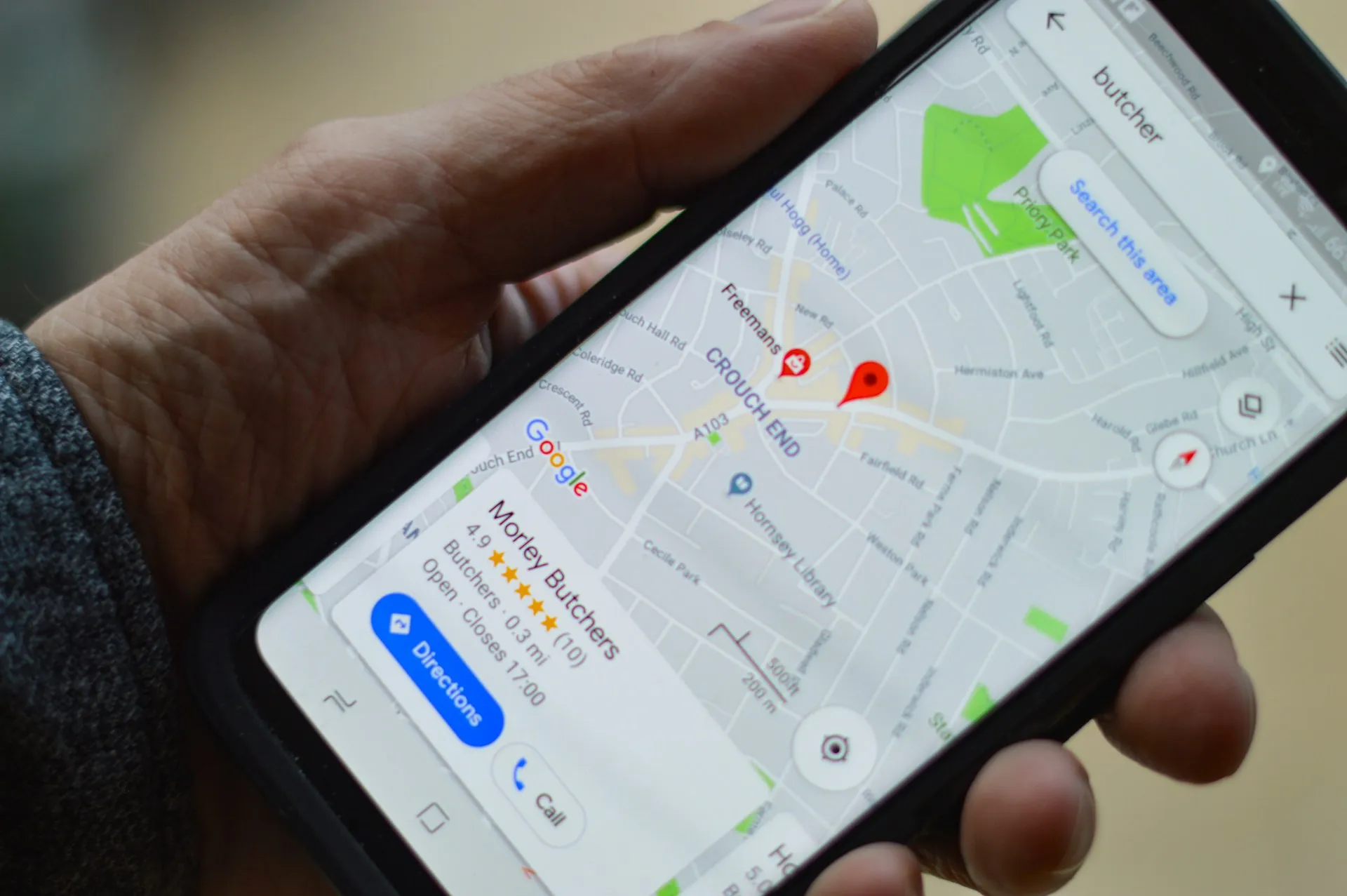
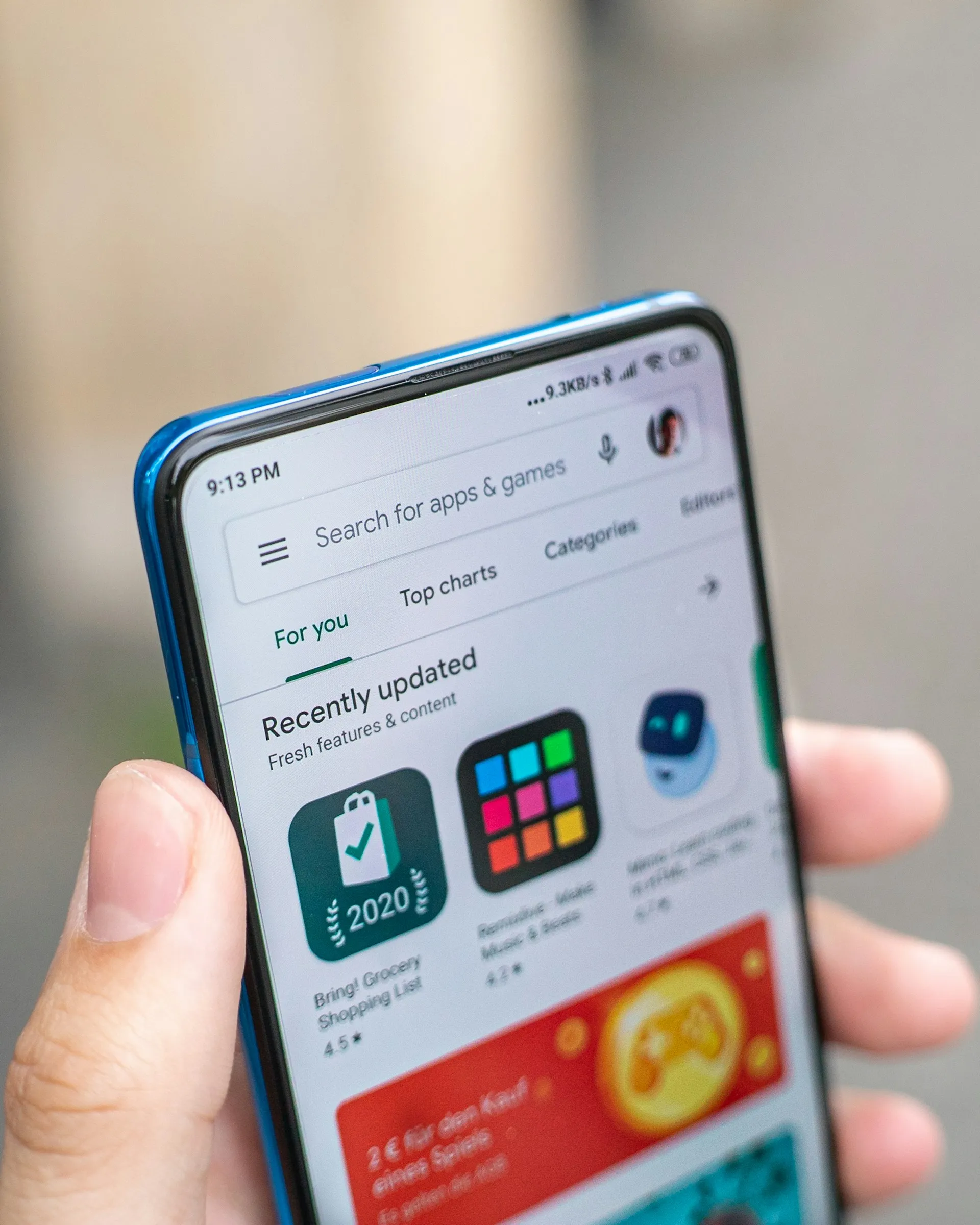
The trouble started with a search bar. Epic's attorney, Yonatan Even, typed "store for apps" into Google Play during the hearing and got back a list of physical retailers, Walmart among them, with no third-party app stores in sight (The Next Web, 3 days ago).
Donato didn't hide his reaction. "That is not acceptable, that has to be fixed," he said from the bench, demanding that Google recognize "every possible variation" of a search query "even only 70 percent properly phrased" (Ars Technica, 3 days ago).
This marks the second major compliance hearing since the 2024 injunction. Google and Epic had proposed a settlement in March, only to jointly withdraw it in July, sending the case back to Donato for another round of scrutiny (The Next Web, 3 days ago).
The injunction itself is narrower than "Google must welcome rival stores" makes it sound. Its text says Google "may not prohibit the distribution of third-party Android app distribution platforms or stores through the Google Play Store," which bars Google from blocking rivals rather than requiring the company to promote them (The Verge, last month). That distinction is exactly what made this hearing necessary: Google could satisfy the letter of the order while still burying rival stores where nobody could find them, which is what Epic argued had happened.
What Google must fix by the August 20 deadline
The dispute over Android alternative app store installation didn't end with search. Installing a rival store required tapping a "View" button first, which opened a separate dialog before an "Install" option ever showed up, unlike a normal app listing, where Install sits as the one-tap primary action (Ars Technica, 3 days ago).
Donato ordered the label changed outright. "Make that install, not view," he told Google's counsel, and separately ordered the removal of an "are you looking for" confirmation screen that appeared afterward, calling it friction "that has no purpose whatsoever" (The Verge, 4 days ago).
Google's lawyers agreed on the spot. Donato gave the company one week, landing the deadline on August 20, and told them to flag it immediately if that timeline became a problem (The Verge, 4 days ago).
What's notable is how small the fixes sound on paper. A button label. A screen. The court has treated both as enforceable terms of an antitrust remedy, which says something about how much weight interface design now carries in a case about market power.
Google Play third-party app stores: Aptoide as the first test case
Aptoide Games, based in Lisbon, became the first rival store to go live inside the U.S. Play Store on August 10. The company reports roughly 25 million monthly users and more than 400,000 apps in its catalog, with the U.S. as its single largest market (The Next Web, 3 days ago).
Getting in required going through Google's Play Catalog Access program, which charges participating stores a $5,000 annual fee for security and policy review and caps malware at no more than 1% of install attempts (The Verge, last month).
Since July 22, U.S. developers' app listings have been shared with third-party stores by default unless a developer opts out (The Verge, last month). Whether that default produces catalogs deep enough to rival Google's own isn't established yet; Aptoide's arrival shows the mechanism works, not that it has matched Google's scale.
One rival store now sits inside the Play Store because a court forced Google to make it easier to find and install. Whether others follow, and how fast, is the open question the injunction was written to answer.
The security-versus-competition tension behind the order
Google framed its catalog-access terms around security when the program was announced, saying it was intended to maintain "industry-leading security" while committing to "a competitive ecosystem where every app store and developer has the freedom to compete" (The Verge, last month).
Android chief Sameer Samat made a related admission earlier this year, telling reporters that sideloading "is really important" and "has always been a critical part of Android," while conceding that "the warnings we currently have are insufficient" (heise online, 5 months ago). That comment predates this ruling and addressed general sideloading policy, not the specific Play Store install flow Donato just ordered changed.
Google's broader security architecture is shifting on its own separate timeline. New sideloading rules taking effect September 30 will impose a 24-hour waiting period before users can install apps from unverified developers (The Next Web, 3 days ago).
Donato's order doesn't touch that system. He found that the View-button detour and the extra confirmation screen amounted to friction with "no purpose whatsoever" (Ars Technica, 3 days ago), a finding limited to those specific Play Store steps rather than a ruling on Android's security model as a whole.
What comes next
The August 20 deadline is three days off. The last available reporting, from three days ago, hadn't confirmed whether Google's search results meet the "70 percent" standard Donato demanded or whether the View button has actually been renamed (The Next Web, 3 days ago).
The 2024 injunction has several more years to run, which gives both the market and the court time to see whether other app stores follow Aptoide into the Play Store, or whether Google ends up back in front of Donato for a third round (The Next Web, 3 days ago).
A parallel dispute is playing out over Apple's App Store. Apple lost a contempt finding over its 27% commission on external payment links, and the Supreme Court agreed in June to hear its appeal (The Next Web, 3 days ago). That case centers on commissions rather than install screens, but it's a reminder that Google isn't the only platform facing court-ordered changes to how it treats rivals.
For Google, the measurable tests are narrower and closer: whether the search fix actually works, whether the install flow matches what Donato ordered, and whether any store besides Aptoide shows up in the Play Store once the friction is gone.


Comments
Be the first, drop a comment!