



Pixel 11 Camera vs iPhone Camera: What Zoom Claims Mean
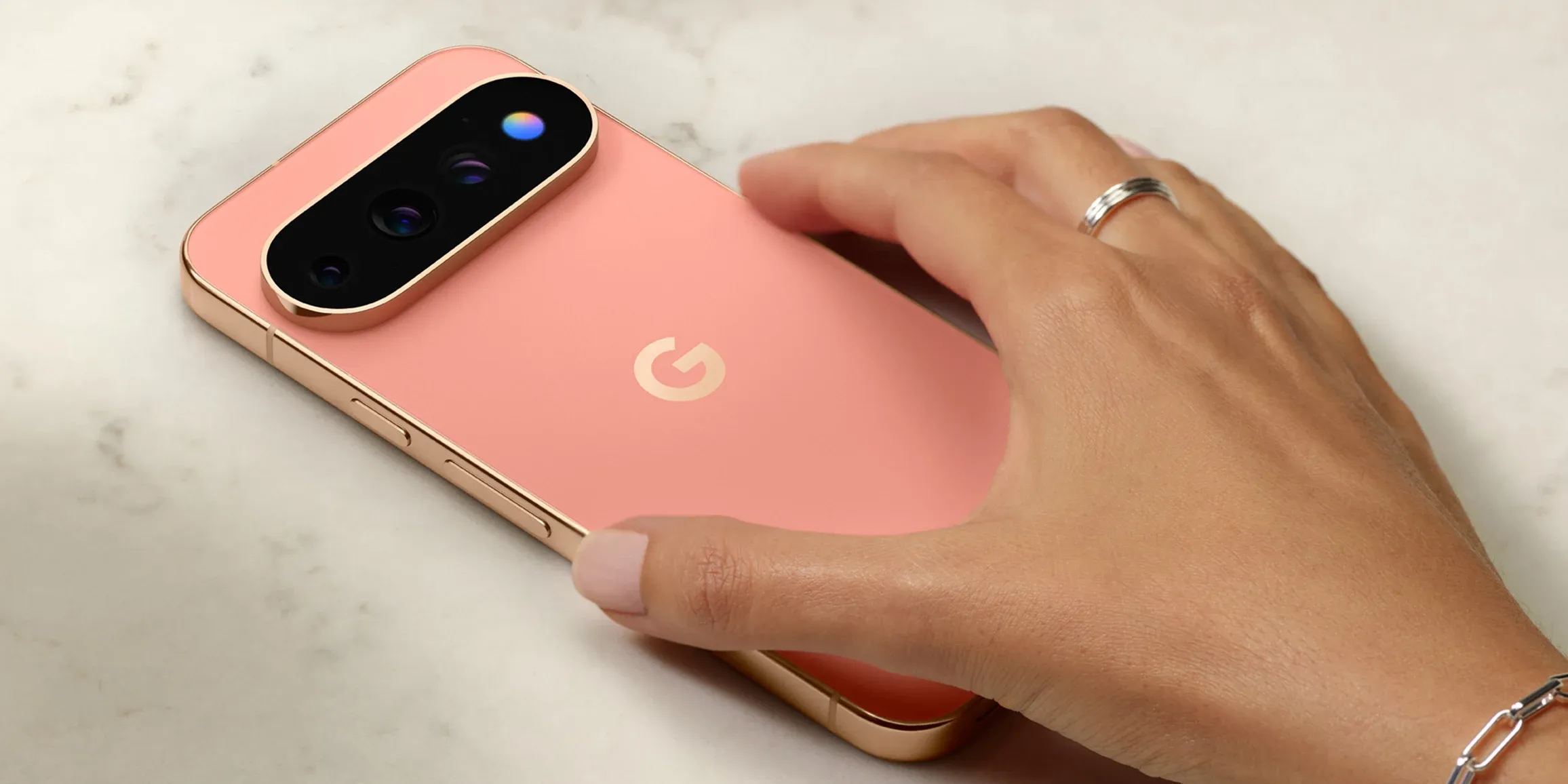
Google introduced the Pixel 11, Pixel 11 Pro and Pixel 11 Pro XL on Wednesday, and the camera specs are doing most of the talking. The base Pixel 11 now carries a 30x Super Zoom, while the Pro models jump to a claimed 120x Pro Zoom, Google says. All three phones run on the company's new Tensor G6 chip, which Google links to several of the camera upgrades. The Pixel 11 camera vs iPhone camera comparison isn't a single matchup, though: the base and Pro tiers need to be judged on their own terms.
Last year's telephoto gap was uneven. Pixel 10 Pro and Pro XL topped out at 100x zoom, while the standard Pixel 10 maxed out at 20x, Google said last year. Pixel 11 gives the base phone the strongest zoom claim yet for a standard Pixel model. No independent Pixel 11 testing is available in the sources reviewed, so this piece leans on Google's launch claims alongside the most recent available head-to-head data, Pixel 10 vs. iPhone 17, to sort out what looks likely to hold up.
Pixel 11 and iPhone 17 camera specs, tier by tier
On the base phone, Pixel 11 gets a new 48-megapixel main sensor with 56% more light sensitivity and a 5x telephoto lens now rated for 30x Super Zoom, Google says. The iPhone 17 still has no dedicated telephoto lens; it relies on its 48MP main sensor for zoom, according to Tom's Guide.
Pixel 11 Pro and Pro XL add a redesigned 48MP telephoto with 30% more light sensitivity, a 120x Pro Zoom claim, and Portrait Mode extended out to 5x. That claim anchors the Pixel 11 Pro camera vs iPhone comparison at the top tier, where the iPhone 17 Pro's 48MP, 4x telephoto produces roughly 8x of what Android Authority calls "lossless" cropped zoom, with a tested maximum of 40x, Tech Advisor found earlier this year.
Google's announcement does not provide sensor size or aperture figures for either camera, only the light-sensitivity percentages. That leaves spec gaps for both the main and telephoto systems that only an independent teardown or lab test will resolve.
On paper, both Pixel 11 tiers list bigger advertised or tested zoom maximums than their iPhone counterparts. Whether that translates into better photos depends on where the zoom actually comes from.
Pixel 11 30x Super Zoom vs iPhone zoom: hardware versus processing
Pixel 11 retains the key hardware distinction Google introduced on the standard Pixel 10: a dedicated telephoto lens, rather than a crop of the main sensor. In Tom's Guide's six-round comparison, shots at 1x and 2x zoom came out close between the Pixel 10 and iPhone 17, with the iPhone ahead in some comparisons. By 10x, the Pixel 10's telephoto pulled well clear, capturing detail the iPhone's cropped digital zoom couldn't match; the outlet's overall verdict held that Pixel 10's advantage ran from 5x zoom on.
Android Authority's separate testing of the Pixel 10 Pro XL found the iPhone 17 Pro stayed competitive up to about 8x, or 10x on the Pixel's side, before the iPhone's optical range ran out and digital cropping took over. That's a narrower gap than Tom's Guide found on the base models, and it was measured against the Pro-tier Pixel 10, not Pixel 11.
The Pro-tier zoom claims rest on more than optics. Pixel 10 Pro's 100x figure was not produced solely by optical hardware: its Pro Res Zoom feature kicked in automatically at 30x and above, using a diffusion model to generate detail the sensor couldn't physically capture, per Google and Tech Advisor. Users could disable it, which capped the zoom back at 30x.
Google says Tensor G6 and its "latest imaging models" power Pixel 11 Pro's 120x Pro Zoom, but the announcement does not say whether that mode works the same way, where generative reconstruction starts, or whether it can be turned off. Android Authority's testing of the Pixel 10 Pro's version found genuinely sharper long-range detail than the iPhone, alongside visible artifacts once magnification hit 100x, a trade-off worth watching for at 120x.
Pixel 11 low-light camera performance: faster Night Sight, still unproven
Google says Tensor G6's upgraded image processor, new sensors and revised software let Night Sight capture images up to 4.5 times faster, with what the company describes as "the same excellent quality." That's a claim about speed, not necessarily about the final image, and Google hasn't published methodology behind it.
The larger, more light-sensitive sensors, 56% on the base model's main camera and 30% on the Pro telephoto, would in theory compound that speed advantage. That's a reasonable technical expectation, not a reported result, and it needs independent testing before anyone treats it as an actual image-quality gain.
One existing Pixel advantage has no iPhone equivalent at all: Astrophotography mode, which captures roughly 4.5-minute exposures of the night sky on the Pixel 10 Pro, something the iPhone 17 Pro doesn't offer, Tech Advisor found.
Where Pixel 11 has to prove itself against iPhone 17 Pro
Pixel 11 Pro's new 5x Portrait Mode addresses a known Pixel 10 Pro limitation on paper: that camera supported Portrait Mode only between 1x and 2x, while the iPhone 17 Pro covered 1x, 2x and 4x, Tech Advisor reported. Adding a 5x option widens the Pixel's range, but it's a different set of focal lengths than Apple's, not a matching one.
Independent testing previously identified color and exposure consistency as a weakness on the Pixel side. Tech Advisor found the iPhone 17 Pro more consistent than the Pixel 10 Pro in color, contrast, white balance and dynamic range across everyday shooting, a finding from that outlet's review rather than a settled industry consensus.
The available Pixel 10 Pro testing was less favorable on video. Tech Advisor's testing showed the iPhone 17 Pro's 4K/60fps footage had stronger stabilization, faster autofocus and smoother transitions between lenses than the Pixel 10 Pro. Tech Advisor also notes that Apple's phone supports native tools like GenLock, Apple Log 2, ACES color grading and 4K/120fps capture with Dolby Vision. Pixel 10 Pro's tested workaround was Video Boost, a cloud feature that improves footage after it's uploaded and unlocks options like 8K 30fps recording, per the same review.
What reviewers should test once Pixel 11 ships
Google's spec sheet raises a specific set of questions that only hands-on testing can answer. Detail retention at 5x, 10x and 30x will show whether the redesigned telephoto actually resolves more than Pixel 10's did, rather than just carrying a bigger zoom number on the box. Artifacts at 100x and 120x will show whether Pro Zoom's generative processing behaves the way Pro Res Zoom did on Pixel 10 Pro, where reviewers spotted sharper detail alongside visible artifacts at maximum magnification, per Android Authority.
Night Sight needs to be timed and compared frame-for-frame against the outgoing model, since a 4.5-times speed claim says nothing on its own about motion blur or noise in the resulting image. Portrait Mode needs checking at each stated focal length, including whether 5x holds up as well as the 1x-to-4x range Tech Advisor measured on the iPhone 17 Pro. Video needs the same side-by-side treatment Tech Advisor gave the Pixel 10 Pro: stabilization, autofocus speed, and how cleanly the camera switches lenses mid-recording.
What independent testing still needs to settle
The feature list can be read as a response to where Pixel 10 Pro trailed the iPhone 17 Pro in independent reviews: bigger sensors, stronger zoom claims at both tiers, and a wider Portrait Mode range. Whether Pixel 11 actually closes those gaps is a question for reviewers, not for Google's own announcement.




Comments
Be the first, drop a comment!