



Google's been busy shuffling the deck chairs on its AI ship, and the latest news might come as a relief to many Android users: the company is pumping the brakes on its ambitious Gemini transition timeline. Originally, Google had set its sights on completely replacing Assistant by the end of 2025, according to Android Authority. But now the search giant is extending that deadline into 2026, giving itself more breathing room to iron out the kinks in what's arguably one of the biggest platform shifts in recent memory.
This timeline adjustment comes after months of user feedback and what appears to be a reality check on the complexity of migrating millions of users from a tried-and-true assistant to an entirely new AI experience. Google has been actively working on feature parity since March, as reported by How-To Geek, but apparently there's still more work to be done beyond their original checklist—specifically, addressing gaps in automotive integration, smart home reliability, and the nuanced user workflows that Assistant users have come to depend on over nearly a decade.
The transition has already begun rolling out to some devices like the Pixel Watch and other WearOS gadgets, showing that Google isn't abandoning the plan entirely—just being more realistic about the timeline and user expectations.
Why the delay makes perfect sense
Let's break down what's really happening behind the scenes. Google's development team has adopted what they call a "quality-driven rather than date-driven" philosophy, according to ZDNet. This represents a significant shift from the company's earlier experimental model release strategy, which caused considerable disruption for developers and users alike when rapid-fire releases would suddenly change API behavior or break existing integrations.
The team learned from these previous missteps—like the rushed rollout of Bard's initial versions that required multiple quick fixes—and decided to take a longer iteration cycle, gathering extensive feedback and using it to refine the models more thoroughly before wide deployment.
The complexity goes beyond just software development. Google is dealing with the challenge of coordinating launches across multiple services simultaneously, which adds layers of complexity to the release process. Feature parity continues to be a moving target, as noted by FindArticles, particularly as the company discovers edge cases and specialized use patterns that weren't immediately apparent during internal testing.
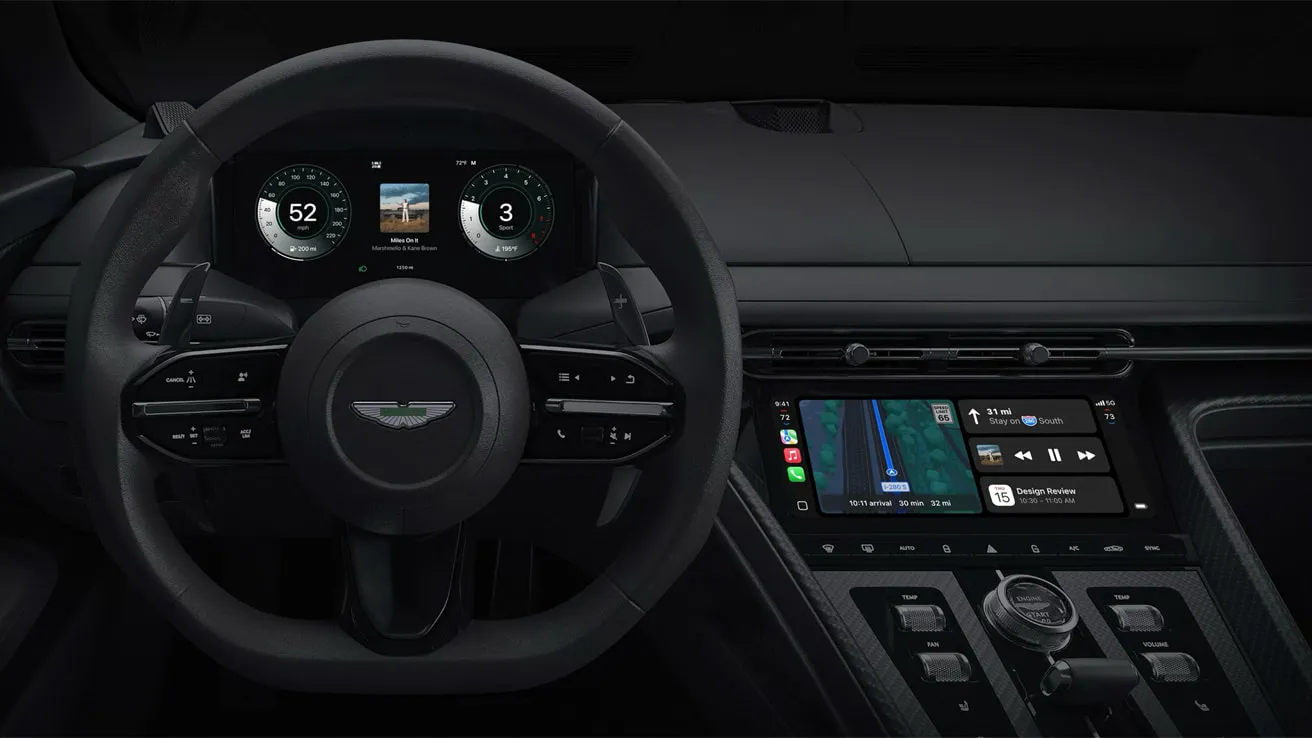
The automotive experience deserves special attention here. Google is particularly focused on getting the Android Auto integration right, where safety, resilience, and latency constraints are absolutely critical. When you're driving 70 mph on the highway, you need voice commands to work flawlessly on the first try—there's no room for the "I'm still learning" responses that might be acceptable in other contexts.
Perhaps most tellingly, the volume of feedback Google received about Gemini was almost more than the team could manage, according to ZDNet. This suggests that user adoption and testing revealed issues that weren't immediately apparent during internal development phases—exactly the kind of real-world complexity that makes major platform transitions so challenging.
What this means for different Google services
Here's where things get interesting: this delay specifically affects mobile devices, but Google is maintaining separate timelines for different product categories. Smart speakers and displays are still on track for their Gemini transition, with an early access program launching this month, according to How-To Geek. This suggests that Google views the home device transition as less complex than the mobile experience—and they're probably right.
The mobile delay makes sense when you consider the broader ecosystem implications. Android Auto integration presents unique challenges that don't exist with stationary smart home devices. Beyond the safety requirements I mentioned earlier, there's also the complexity of maintaining consistent voice recognition in noisy car environments, handling interrupted commands during navigation, and ensuring that responses don't interfere with critical driving information.
Meanwhile, the transition has been progressing on newer devices. Recent Android phones from major manufacturers like Pixel, Samsung, OnePlus, and Motorola have been shipping with Gemini as the default experience, as reported by 9to5Google. This gradual rollout approach allows Google to gather real-world usage data while minimizing disruption for users who aren't ready to make the switch.
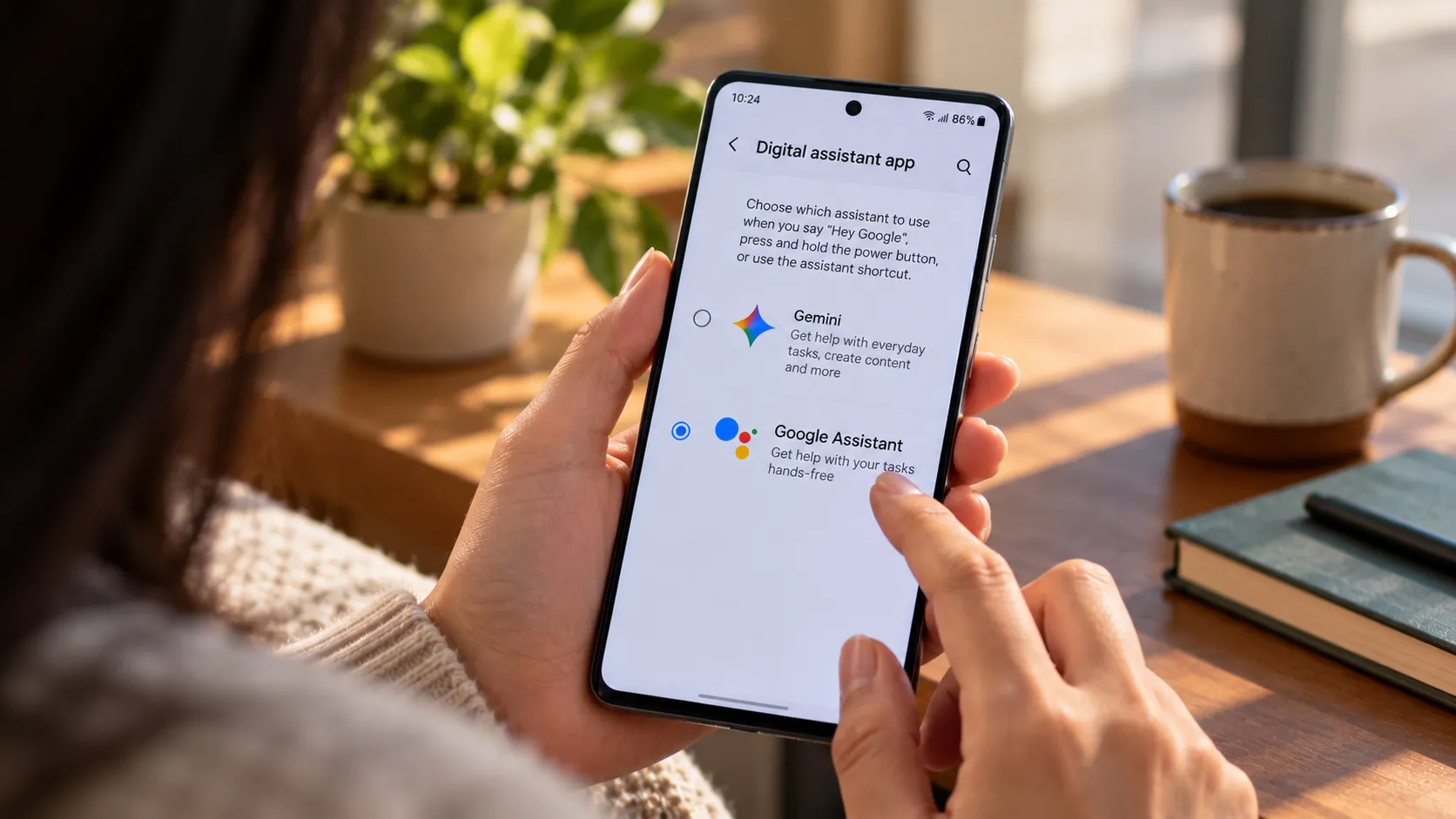
PRO TIP: If you're using a newer Android phone and want to experience Gemini's capabilities without fully committing, you can manually enable it in your device settings while keeping the option to switch back to Assistant until the March 2026 deadline.
The company is also being thoughtful about backward compatibility. Phones running Android 9 or earlier with less than 2GB of RAM will continue to use Assistant, according to FindArticles, acknowledging that older hardware likely wouldn't provide an acceptable Gemini experience anyway. This isn't just good user experience design—it's also practical engineering, since Gemini's advanced AI processing requires significantly more computational resources than Assistant's more straightforward command-and-response system.
The bigger picture: Google's AI strategy evolving
This timeline adjustment reflects something larger happening at Google. The company is clearly prioritizing user experience over aggressive deployment schedules, which frankly feels like a mature approach after years of sometimes rushed product launches. Google has also delayed monetization plans for Gemini, with ads not expected to appear in the chatbot until 2026, according to WinBuzzer. This suggests the company is taking a long-term view on building user habituation before focusing on revenue generation—a smart play that prioritizes adoption over immediate returns.
The development team is also using Gemini to improve Gemini itself—they're leveraging the AI to analyze feedback patterns, write testing tools, and even create some product experiences, as noted by ZDNet. This meta-approach to AI development shows how seriously Google is taking the technical challenges involved in this transition. Instead of relying purely on traditional software development methods, they're using their most advanced AI to identify patterns in user complaints, automate quality assurance processes, and even generate new features based on usage data.
The company has moved away from the experimental release approach that caused developer churn and is instead focusing on longer iteration cycles with more thorough testing. This isn't just about being cautious—it's about recognizing that migrating users from a beloved, functional system to something new requires exceptional execution. When you're dealing with the daily workflows of hundreds of millions of users, "good enough" simply isn't good enough.
What's particularly noteworthy is how Google is handling the transition across different hardware capabilities and use cases, ensuring that no user gets left behind simply because they can't afford the latest device. This inclusive approach to the transition shows the company is thinking about the entire user base, not just early adopters with cutting-edge hardware.
What to expect moving forward
Bottom line: Google's timeline adjustment signals a more thoughtful approach to what could be the most significant change to Android's user experience in years. The company is now targeting March 2026 for the final Assistant shutdown on mobile devices, as reported by Android Authority, giving users and developers more time to adapt to the new reality.
For users, this means you can continue using Assistant without feeling rushed to switch. If you're already using Gemini and encountering issues, this extended timeline suggests Google is committed to addressing those pain points rather than forcing users to adapt to a subpar experience. The company continues to add highly requested features to Gemini, including music playback, timer support, and lock screen actions, according to TechCrunch.
The gradual approach also means different device categories will transition at different paces. While mobile gets the extended timeline, smart home devices are moving ahead with their own schedule. This staggered approach might actually work better for users who rely on voice assistants across multiple device types—you can get familiar with Gemini at home before it becomes your primary mobile assistant.
Key Timeline to Remember: Google says the mobile transition will continue into 2026; Google's Android Auto help text specifically references March 2026 for Android Auto, but the transition is happening gradually across different device categories throughout 2025 and early 2026.
This slower, more deliberate rollout might actually be exactly what Google needs to nail the transition. Rather than creating a jarring overnight switch that frustrates millions of users, the extended timeline allows for a more gradual migration that prioritizes stability and user satisfaction over arbitrary deadlines. Given how integral voice assistants have become to many people's daily routines—from setting morning alarms to controlling smart home devices—taking the time to get this right seems like the smart play.





Comments
Be the first, drop a comment!