





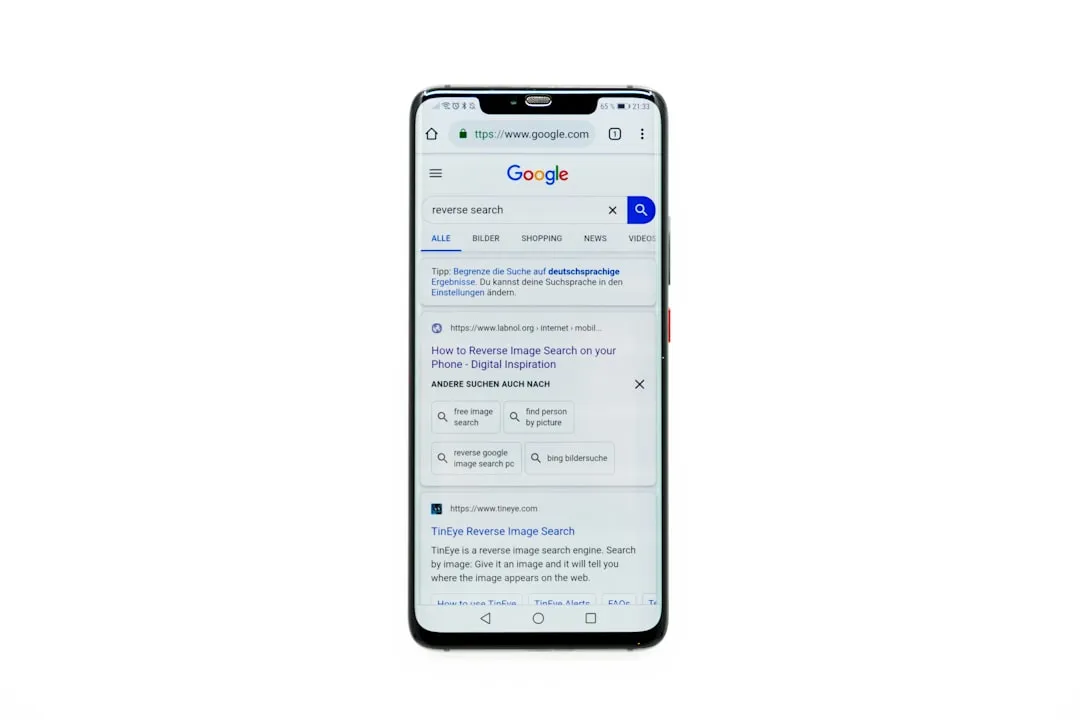
Google's AI Mode Now Shows Inline Citations—Here's Why That Matters for Search Transparency
Google's AI Mode just got a subtle but significant upgrade that could reshape how we verify information in search results. The company recently revealed changes to how sources appear in AI-generated answers, making the fact-checking process more seamless than ever before. For anyone who's spent time second-guessing AI-generated content—or wondering where exactly that information came from—this update addresses a core concern around transparency and trust.
According to a post from Google executive Hema Budaraju on X, AI Mode now displays source citations directly inline with the generated text, rather than relegating them to a separate section or requiring extra clicks. The update began rolling out / was reported in December 2025 (see Dec 10, 2025 coverage), signaling Google's ongoing effort to refine how AI Overviews present information and make verification easier based on user feedback.
The timing matters. As AI-generated search results become the default experience for millions of users, questions about accuracy and accountability have intensified. This shift reflects a broader reckoning with information literacy in an AI-first search landscape—users aren't just asking for smarter answers; they're demanding visibility into where those answers actually come from.
Why inline citations change the fact-checking game
The shift from hidden or grouped citations to inline source links fundamentally alters the user experience. Previously, AI Overviews often bundled sources at the end of responses, forcing readers to mentally map which claim corresponded to which reference. Now, sources appear directly next to the relevant information, eliminating that detective work entirely.
This approach mirrors academic and journalistic standards, where claims are immediately backed by visible references. The change applies specifically to AI Mode, Google's conversational search interface, which generates more detailed, multi-step responses than standard AI Overviews.
The practical impact extends beyond convenience. When sources are visible at a glance, users can quickly assess the credibility of the information—spotting whether an answer draws from authoritative publications, niche blogs, or potentially questionable sites. Imagine researching a medical question: inline citations let you instantly verify whether the answer comes from Mayo Clinic or an unvetted health blog, without scrolling through a generic list of references at the bottom. This transparency empowers readers to make informed judgments about the trustworthiness of AI-generated content, rather than passively accepting it as fact.
For tech-savvy users who routinely cross-check AI outputs, this saves the mental overhead of tracking which footnote corresponds to which claim. The connection is embedded right in the flow of information—you're not breaking your reading rhythm to verify something that caught your attention.
How this compares to earlier AI Overviews behavior
Google's AI Overviews have evolved considerably since their initial rollout. Early versions faced criticism for surfacing inaccurate or misleading information, with sources often buried or poorly contextualized. The company responded by implementing stricter quality controls and refining how citations were presented, but the fundamental challenge remained: users needed a clearer line of sight to the underlying sources.
The inline citation model represents a maturation of this approach. Where earlier iterations treated sources as supplementary material—something you'd check only if you were particularly skeptical—the updated AI Mode treats them as integral to the answer itself. This shift acknowledges that transparency isn't just a nice-to-have feature—it's essential for user trust, especially as AI-generated answers become more prominent in search results.
When you compare this to competitors, the differences become clear. Perplexity displays sources in a sidebar, requiring your eyes to move away from the answer itself. Bing's AI chat interface clusters citations at conversation breakpoints, but doesn't consistently link individual claims to specific sources. Google's inline citations position the company as more committed to verifiable information—embedding links at the exact point of relevance rather than treating sourcing as an afterthought.
The evolution here speaks to a larger truth about AI-powered tools: they're only as trustworthy as the transparency they provide. Google seems to have recognized that users weren't asking for more AI magic—they were asking for more visibility into how that magic actually works.
What this means for publishers, SEO, and the misinformation battle
For content creators and publishers, this update carries significant implications. Inline citations make it easier for users to click through to original sources, potentially driving more referral traffic to authoritative sites. However, the flip side is that users may feel satisfied with the AI-generated summary and skip visiting the source altogether—a tension that's been brewing since AI Overviews first launched.
From an SEO perspective, the update reinforces the importance of being cited by Google's AI systems. Sites that consistently appear as inline sources in AI Mode answers gain visibility and credibility, while those excluded risk fading into obscurity. The change also raises questions about how Google selects which sources to surface, and whether the algorithm favors established publishers over emerging voices.
Bottom line: if your content isn't showing up in these inline citations, you're missing out on a prime visibility opportunity. The stakes for publishers have shifted from just ranking well in traditional search to becoming the go-to source that Google's AI trusts enough to cite. Content strategy now needs to optimize for citation-worthiness—clear, authoritative information that AI systems can confidently reference and attribute.
On the misinformation front, inline citations offer a tangible defense mechanism. By making sources immediately visible, Google enables users to spot red flags—such as answers drawing exclusively from low-quality sites or lacking diverse perspectives. This transparency doesn't eliminate the risk of AI-generated errors, but it gives users the tools to catch them, shifting some responsibility for verification back to the reader.
The broader implication is that search is no longer just about finding information—it's about validating it in real time. When you see a claim supported by multiple citations from peer-reviewed journals versus a single citation from an obscure blog, you can immediately gauge your confidence level. As AI-generated answers become ubiquitous, features like inline citations will determine whether users trust these systems or revert to traditional search methods.
PRO TIP: When evaluating AI Mode answers, look for multiple citations from diverse, authoritative domains rather than relying on a single source—even if it's well-known. Cross-referencing is your best defense against incomplete or biased information.
The bigger picture: trust, transparency, and the future of AI search
This update is a small but meaningful step in addressing the trust deficit that's plagued AI-generated content. By prioritizing source visibility, Google signals that transparency is non-negotiable in the age of AI search. The change reflects user feedback and acknowledges that even the most sophisticated AI needs a human-readable paper trail.
Looking ahead, the challenge will be ensuring that inline citations remain accurate and comprehensive as AI systems generate increasingly complex answers. When AI Mode handles multi-step queries requiring 20+ sources across different domains, the sourcing process must scale without sacrificing quality or overwhelming users. Google's willingness to iterate on AI Mode suggests the company understands that trust is earned through consistent, verifiable performance—not just flashy features.
Here's what sets this apart: Google isn't just building smarter AI—it's building more accountable AI. There's a difference, and it matters. Smart AI can generate impressive answers by synthesizing information at scale. Accountable AI shows you exactly where those answers came from and invites you to verify them yourself. That distinction is foundational to how we should expect these systems to work.
For users, the takeaway is clear: AI-generated search results are becoming more accountable, but critical thinking remains essential. Inline citations make fact-checking easier, but they don't replace the need to evaluate sources and question assumptions. As these tools evolve, the most valuable skill will be knowing when to trust the AI—and when to dig deeper.
What happens when AI gets it wrong? With inline citations, you'll spot the problem immediately instead of accepting a hallucination as fact. Think about the last time you questioned an AI-generated answer—did you actually verify it, or just move on? This update lowers the friction for that verification step, which could fundamentally change how people engage with AI-powered search.
Here's the thing: inline citations won't solve every problem with AI-generated content. They won't catch every error or bias. But they do something arguably more important—they respect your intelligence as a reader. They give you the tools to verify, challenge, and understand the information you're consuming. In an information landscape that's increasingly mediated by AI, that kind of transparency isn't just a feature upgrade. It's foundational to building systems we can actually trust.












Comments
Be the first, drop a comment!