





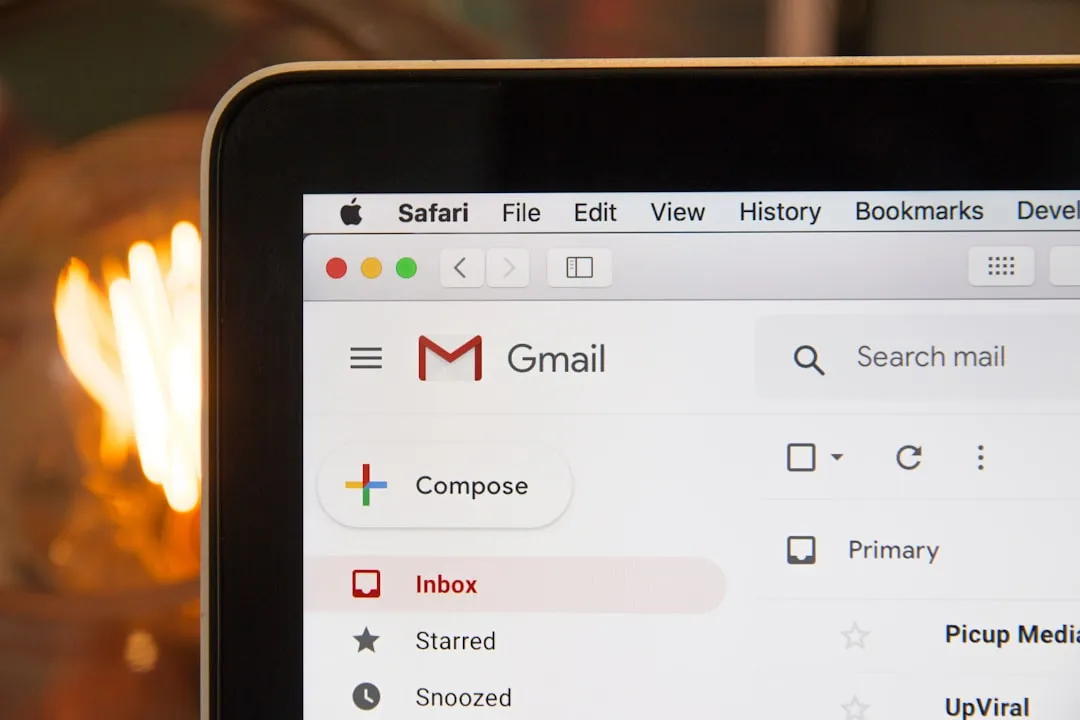
You know that feeling when you're trapped in an endless email chain trying to nail down a meeting time? We've all been there—sending "what works for you?" messages back and forth while watching your productivity slowly drain away. Google's latest Gemini integration aims to put an end to this coordination nightmare with a smart scheduling feature that works directly inside Gmail.
Google is adding AI-powered scheduling assistance to its workflow tools, part of a broader push to integrate Gemini into everyday productivity features, according to CNET. The update builds on existing AI capabilities in Google Calendar and gives Gemini a more proactive role by surfacing scheduling suggestions when conflicts arise and helping manage coordination without requiring users to switch between apps.
How the new scheduling magic actually works
Here's where it gets interesting—the "Help me schedule" feature doesn't just sit there waiting for you to remember to use it. When Gemini detects you're trying to coordinate meeting times in an email conversation, Gmail automatically displays a dedicated scheduling button in your compose toolbar.
Once you click that button, Gemini analyzes your Google Calendar availability, the context of your email conversation, and your meeting preferences to generate suitable time slots that you can insert directly into your reply. The recipient simply selects their preferred option from the suggestions you've sent, and once a time is confirmed, Google Calendar can create the event for both participants.
What makes this particularly intelligent is how Gemini interprets natural language cues to tailor its suggestions. If your coworker mentions wanting to meet for 30 minutes next week, Gemini doesn't just throw generic time slots at you—it specifically searches for 30-minute openings during the timeframe mentioned, factoring in your typical working hours and existing commitments to surface genuinely practical options.
What makes this different from existing scheduling tools?
You might be thinking this sounds similar to Calendly or other scheduling platforms you've used before. But there's a crucial difference that goes beyond simple workflow integration—this creates what experts tag as a "self-contained scheduling hub" that operates entirely within your existing communication context.
Unlike standalone scheduling platforms that require separate apps or links, Gemini processes the full conversational context to understand meeting purpose, duration preferences, and urgency level. This contextual awareness extends to post-scheduling management: when conflicts arise later (because they always do), Gemini proactively suggests alternative times directly within the calendar event, allowing rescheduling without leaving the Calendar interface.
The update moves Google Calendar beyond basic availability checks toward more predictive coordination. Rather than simply displaying open time slots, Gemini identifies potential scheduling conflicts and suggests adjustments before they lead to extended email exchanges.
Current limitations you should know about
Let's be upfront about what this feature can't do yet—and why these constraints matter for your workflow planning. For now, the functionality only supports one-on-one meetings, not group scheduling with multiple participants. Google has confirmed that group scheduling capabilities will be added in future updates, but if you're trying to coordinate that quarterly team meeting with eight people, you'll still need alternative coordination methods.
The functionality currently works only with English-language emails, as noted by Ingeniom. Additionally, both participants need to be using Gmail and Google Calendar for the automatic calendar creation to work properly.
There's another constraint worth considering for your calendar management strategy—the feature can only manage events for your default Google Calendar, not additional calendars you might have connected to your account. For professionals who maintain separate work and personal calendars, the current limitation means cross-calendar coordination isn't fully supported.
Who can access this scheduling upgrade?
The feature is rolling out to Google Workspace customers and subscribers to Gemini for Google Workspace add-ons, including AI Pro and AI Ultra plans, according to The Verge. For Workspace users, availability includes Business Standard and Plus, Enterprise Standard and Plus, and Google AI Pro for Education add-on, as detailed in Google's official announcement.
The rollout follows Google's typical staged approach—rapid release domains have access now, while scheduled release domains will see gradual availability starting February 2, 2026, according to Google's blog. This phased deployment strategy serves dual purposes: it allows Google to monitor feature performance and user adoption patterns while ensuring infrastructure can handle demand as usage scales across enterprise environments.
One practical advantage is that this feature comes enabled by default for eligible users, requiring no additional setup or configuration from administrators. If you're wondering whether your plan includes this feature, look for the "Help me schedule" button to appear automatically when you're composing emails about meeting coordination.
Where Google's scheduling AI fits into the bigger picture
The scheduling enhancement is part of Google's broader effort to integrate generative AI into its Workspace suite. Rather than focusing solely on content generation, the company is expanding Gemini's role into workflow and task coordination features.
The adoption numbers suggest this strategy is resonating with users. Over 150 million subscribers have already used Gemini AI features across Gmail and Workspace, with millions actively using premium AI plans, according to eMarketer data. This positions Gmail directly against Microsoft's Copilot in Outlook, which offers similar multi-participant scheduling automation.
What's particularly telling about the competitive landscape is how both companies are betting that seamless AI integration beats standalone AI tools. Rather than asking users to learn new interfaces, they're making existing apps smarter. The productivity impact appears significant: nearly 77% of US full-time desk workers who have used AI tools report increased productivity, with 31% calling themselves much more productive, according to an EisnerAmper survey.
This suggests we're witnessing a fundamental shift in how workplace AI adoption occurs—not through revolutionary new platforms, but through incremental intelligence embedded in tools people already use daily. Features like automated scheduling tackle seemingly small friction points that actually consume substantial mental energy and decision-making bandwidth throughout the workweek.
Bottom line: The new Gmail scheduling feature adds AI-driven coordination directly within existing workflows. Its effectiveness will depend on how well it handles common scheduling challenges, including time zone differences, cross-team coordination, and complex organizational structures.




Comments
Be the first, drop a comment!