





Reviewed by: Y. Garcia
When rumors started swirling about Google potentially sunsetting ChromeOS, you could practically hear the collective gasp from millions of Chromebook users worldwide. Schools that had invested heavily in these devices, budget-conscious consumers who'd found their sweet spot, and even enterprise users who'd embraced the simplicity — everyone suddenly wondered if their digital companion was heading for the tech graveyard.
The speculation reached fever pitch when reports suggested Google was planning to completely migrate ChromeOS to Android, potentially leaving existing devices high and dry. It's the kind of news that makes you want to back up everything immediately and start shopping for alternatives. But here's where things get interesting — and reassuring.
Recent statements from Google VP John Maletis have essentially thrown cold water on the panic fire, directly addressing user concerns about platform abandonment while clarifying Google's long-term commitment. According to Chrome Unboxed, the company isn't abandoning ChromeOS anytime soon, and more importantly, their commitment to long-term device support remains rock-solid. Google is maintaining its promise to deliver a decade of updates for Chromebooks, as reported by Heise.
What Google's VP actually said about ChromeOS longevity
Let's break down what we actually know from Google's official stance, because the devil's always in the details with these tech transitions. Maletis made it crystal clear that ChromeOS has staying power while providing specific reassurances about the transition to what Google is calling Aluminium OS — the new Android-based foundation that will power future ChromeOS devices. The VP emphasized that Google isn't giving up on ChromeOS and assured users that moving to the Android stack doesn't change the support timeline, according to Chrome Unboxed.
This means current Chromebook owners can breathe easy knowing their devices will receive the full decade of updates promised for that device's platform/model (AUE). Think about what this actually means in practical terms. The one you're considering buying this year? Same deal — you're looking at support stretching well into the 2030s. That's longer than most people keep their laptops anyway.
PRO TIP: You can check your specific Chromebook's Auto Update Expiration (AUE) date by going to Settings > About ChromeOS > Additional details, or visit Google's Auto Update policy page to see support timelines for all models.
The reality behind the ChromeOS-Aluminium OS integration
Here's where things get interesting from a technical perspective, and honestly, it's pretty clever when you think about it. Google isn't actually killing ChromeOS — they're modernizing its foundation by building it on top of Android's underlying architecture and calling the new system Aluminium OS. It's like renovating a house: you might replace the plumbing and electrical systems, but the house itself remains the same.
The company plans to construct the ChromeOS experience using Android's underlying technology, according to 9to5Google. This approach allows Google to streamline development while enhancing AI integration capabilities across their ecosystem. From an engineering standpoint, it makes total sense — instead of maintaining two completely separate technology stacks, they can focus their efforts on one robust foundation.
The move enables faster AI feature implementation, simplified engineering processes, and improved integration between Android phones and Chromebooks, as noted by 9to5Google. Imagine being able to seamlessly transition between your Android phone and Chromebook with even better continuity than what we have today. Your photos, documents, and even running apps could sync more naturally across devices.
Think of it less as a merger and more as ChromeOS getting a powerful new engine under the hood while maintaining the familiar interface users love. The desktop environment, the taskbar, and the way you launch apps — all of that stays consistent. What changes is the underlying plumbing that makes it all work, and in this case, that plumbing is getting a serious upgrade.
What this means for your current Chromebook
If you're sitting there wondering whether your current Chromebook will become a fancy paperweight, here's the reassuring news: Google's commitment to device longevity remains unchanged. The support window stays consistent regardless of whether a device transitions to the new Aluminium OS architecture or continues with the current ChromeOS system, Chrome Unboxed confirms.
Now, here's where it gets a bit more nuanced. Not every device will make the jump to Aluminium OS, and that's purely due to hardware limitations. Maletis explained that migration from ChromeOS to Aluminium OS is "not possible on all devices due to technical specifications," according to Heise. This isn't Google being vindictive — it's just the reality of older hardware not having the horsepower to run newer software efficiently.
But here's the key point that should put your mind at ease: whether your device gets upgraded to Aluminium OS or sticks with the current ChromeOS implementation, you'll still receive the full 10 years of updates from your device's launch date. As Maletis stated, "As we go through this evolution, we are committed to supporting these devices for 10 years from the platform's market launch," according to Heise.
So what does this look like in practice? If you have a newer Chromebook with sufficient processing power and memory, you might eventually get upgraded to Aluminium OS through a regular update. You probably won't even notice the transition happening — one day you'll just have access to some new features and better performance. If you have an older device, you'll continue getting security updates and feature improvements on the current ChromeOS system until your support window expires.
Looking ahead: what's next for the ChromeOS ecosystem
The future of ChromeOS actually looks more promising than the rumors suggested, which is refreshing in an industry where "major transitions" often mean "time to buy new hardware." Google is developing a comprehensive product roadmap that outlines how they'll transition from ChromeOS to Aluminium OS, according to Heise.
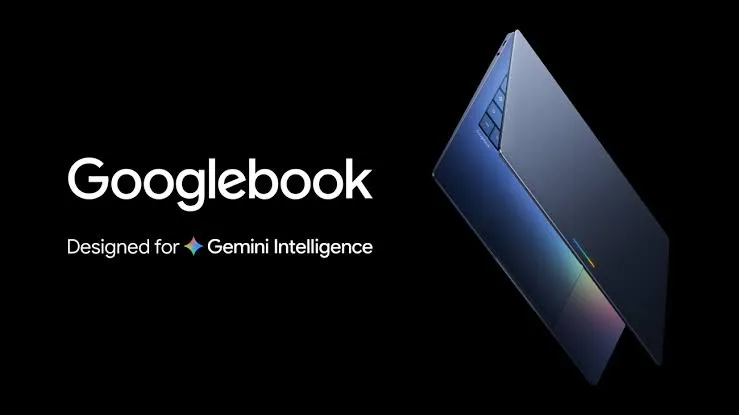
The first notebooks running Aluminium OS are expected to launch in 2026, as Heise reports. These devices will likely showcase the enhanced capabilities that come with the Android foundation — better AI integration, improved app compatibility, and seamless cross-device functionality.
While Google does plan to eventually phase out the current ChromeOS implementation in the long term, according to Heise, this doesn't mean an immediate end to the platform users know and love. We're talking about a gradual evolution that will likely take place over several years, giving users plenty of time to adapt and upgrade naturally as their devices reach the end of their lifecycle.
What's particularly exciting is the potential for enhanced AI capabilities. The Android foundation will make it easier for Google to implement new Gemini-powered features, better voice recognition, and more sophisticated productivity tools. The integration possibilities with Android phones will also expand significantly — imagine starting a document on your phone during your commute and having it instantly available and optimized for laptop use when you open your Chromebook.
Bottom line: ChromeOS isn't going anywhere soon
The rumors of ChromeOS's demise have been greatly exaggerated, to paraphrase Mark Twain. Google's VP has made it clear that ChromeOS will continue as the operating system for laptops, including premium Chromebook Plus devices, according to Thurrott. The company maintains its decade-long support promise established in 2023, ensuring that current Chromebook owners won't be left behind.
Google doesn't appear to be planning an immediate end to ChromeOS in the short to medium term, as Heise notes. What we're seeing isn't a sunset but rather a sunrise — ChromeOS is evolving to become more powerful and capable while preserving the simplicity and reliability that made it popular in the first place.
For current and prospective Chromebook users, this transition represents an opportunity rather than a threat. The move to Aluminium OS isn't about abandoning what works — it's about building on that foundation to create something even better. Your Chromebook isn't becoming obsolete; it's part of a platform that's getting stronger, smarter, and more integrated with the broader Google ecosystem. Whether you're managing a classroom full of these devices, relying on one for daily productivity, or considering your first Chromebook purchase, you can invest in the platform with confidence knowing that Google's commitment extends well into the next decade.





Comments
Be the first, drop a comment!