



The numbers behind Google's March 2026 Android update tell a remarkable story. We're not looking at your typical monthly security patch that quietly fixes a handful of vulnerabilities and calls it a day. This release addresses an unprecedented 129 security issues, making it one of the most comprehensive security updates Android has ever received, according to the comprehensive NationWideNews analysis.
What makes this update particularly urgent isn't just the sheer volume of fixes—it's the inclusion of a zero-day vulnerability that attackers were already exploiting before Google could patch it. When security researchers discover a vulnerability that's already being used in the wild, that changes everything. Your device isn't just potentially vulnerable; it's actively at risk until you install the update.
What makes this security patch historically significant?
Let me put these numbers in perspective for you. During a typical month, we see patches for somewhere between 40 to 60 issues. This March release more than doubles that usual scope, earning its place as one of the most extensive security updates in Android's entire history.
Here's what's really concerning: the most critical fix targets CVE-2026-21385, a vulnerability in Qualcomm GPU components that was already under active exploitation. This is what security experts call a zero-day vulnerability—attackers discovered and started using this flaw before developers could create a defense against it.
The implications are serious. This vulnerability could potentially allow attackers to take control of system functions, compromise your banking apps, steal personal data like photos and messages, and gain unauthorized access to your device. Since most Android phones use Qualcomm components, this affects a massive portion of the Android ecosystem.
The update actually comes with two distinct security patch levels. The March 1st patch addresses 63 core Android vulnerabilities, while the March 5th level includes those plus an additional 66 hardware-related fixes for chipsets from Qualcomm, ARM, MediaTek, and other component vendors. You want the March 5th patch level for maximum protection—that means you've got comprehensive coverage for both software and hardware vulnerabilities.
Google Play Store gets major feature upgrades
Beyond the critical security fixes, this update introduces several user-facing improvements through Google Play system updates. These background updates happen independently of full OS upgrades, which means you get new capabilities without waiting for your manufacturer to push a complete system update.
Wi-Fi Sync represents one of the most practical additions. This feature automatically shares trusted network credentials across your entire device ecosystem—smartphones, PCs, and Wear OS devices, as detailed by 9to5Google. Connect to a network on one device, and your other devices can automatically access it securely through your Google account. This isn't just a convenience feature—it's transformative for households juggling multiple devices, eliminating the tedious process of manually entering Wi-Fi passwords on every phone, tablet, and computer.
Limited-time game trials address a long-standing frustration with mobile gaming. You can now try select premium games before committing to a purchase. This isn't just convenient—it's transformative for how we discover and buy mobile games. Developers get to showcase their best content upfront, while users make more informed decisions about where to spend their money.
Play Shorts introduces short-form video previews directly on app pages, finally bringing Google Play up to par with other app stores that have offered video previews for years. These brief clips demonstrate app functionality and interface design, giving you a much better sense of what you're downloading before you commit storage space and time to installation.
Pixel devices receive exclusive performance boosts
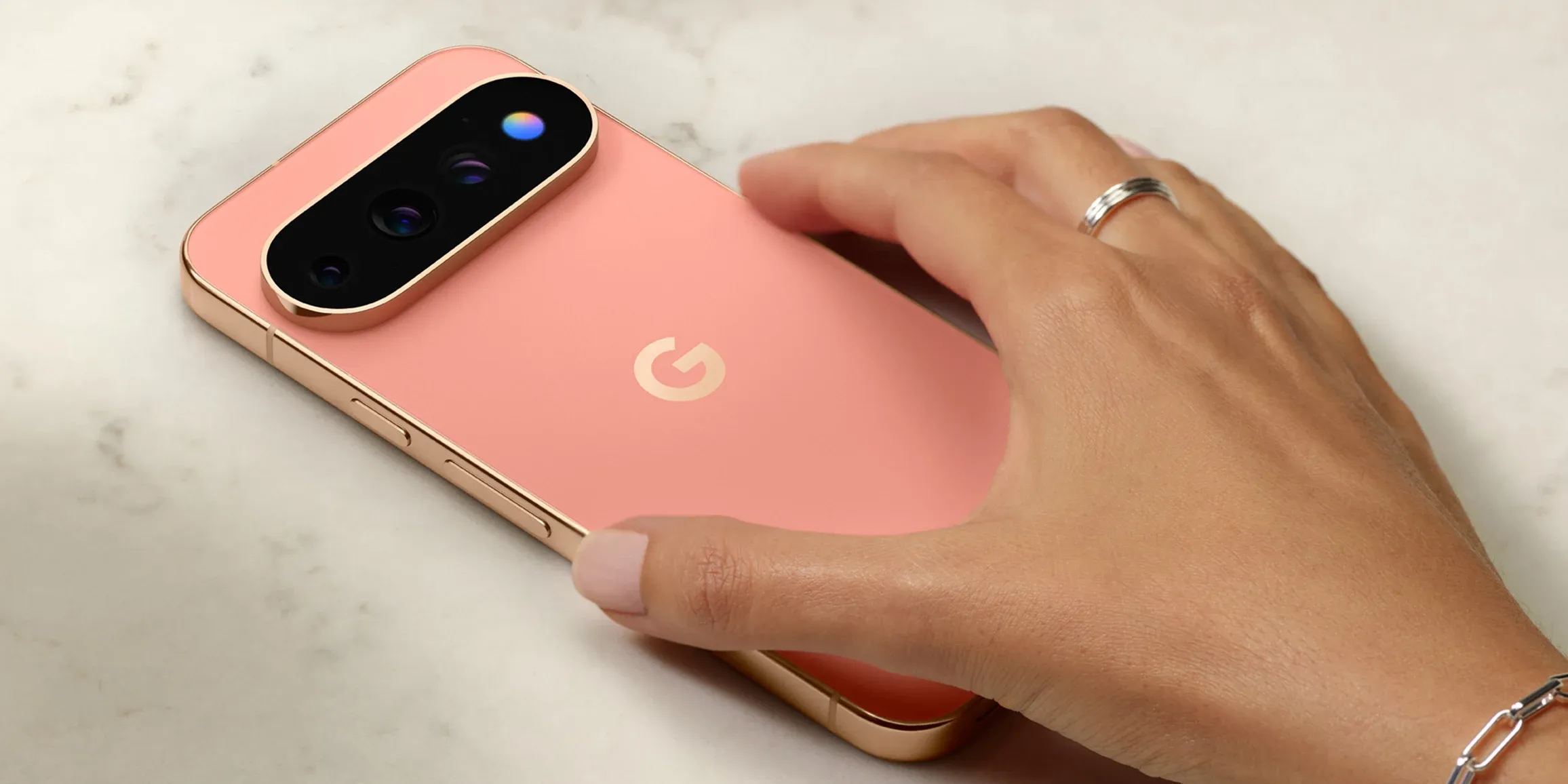
If you're using a Pixel device, you're getting additional benefits beyond the standard Android improvements. The March update brings enhanced OpenCL driver performance and improved GPU efficiency. These OpenCL optimizations particularly benefit graphics-intensive apps, photo editing tools, and AR applications that rely on GPU acceleration, translating to better benchmark scores and noticeably smoother graphics performance in daily use.
More significantly, Pixel devices are receiving the Android 16 QPR3 update. QPR stands for Quarterly Platform Release—these are substantial mid-cycle updates that deliver new features without waiting for the next major Android version.
QPR3 includes some genuinely useful additions that demonstrate Google's attention to user workflow improvements. Flashlight intensity controls let you adjust brightness levels instead of just toggling on and off—perfect for situations where you need just a little light without blinding everyone around you. Custom icon pack support provides more flexibility for personalizing your home screen appearance. The revamped Now Playing feature gets both visual design improvements and better song identification accuracy, making it more reliable at recognizing music playing around you.
However, not everything is smooth sailing for Pixel users. A small number of users across multiple Pixel generations are reporting screen freezing, UI lag, and persistent "Process system isn't responding" errors following the March update, according to PiunikaWeb. The most severe reports come from Pixel 10 Pro XL users experiencing system failures that require hard restarts to resolve. While this affects only a small subset of users, it's worth monitoring if you notice unusual behavior after updating.
Samsung Galaxy devices get targeted security fixes
Samsung is coordinating its own update rollout for flagship devices, addressing the same critical vulnerabilities while adding manufacturer-specific protections. Galaxy S25 and S26 series devices receive fixes for 65 vulnerabilities total, including 5 Samsung-specific security issues unique to Galaxy devices.
This dual-track approach ensures comprehensive protection. Samsung's updates handle both the standard Android vulnerabilities and manufacturer-specific issues that only affect Galaxy hardware and software implementations. Since many Galaxy devices use the same Qualcomm components affected by the zero-day vulnerability, Samsung users get the same urgent protection against active threats.
The key difference is delivery method. Samsung pushes updates through their own servers rather than Google's system, so Galaxy users should check Settings → Software Update to ensure they receive both Android security patches and Samsung's additional fixes. Don't assume that Google's update system will handle everything—Samsung devices require checking both update channels.
Enhanced connectivity across the Android ecosystem
The March update strengthens Android's integration with other devices in meaningful ways that reflect Google's broader multi-device strategy. These connectivity improvements reflect Google's response to Apple's ecosystem integration, creating seamless experiences that keep users within Android's orbit.
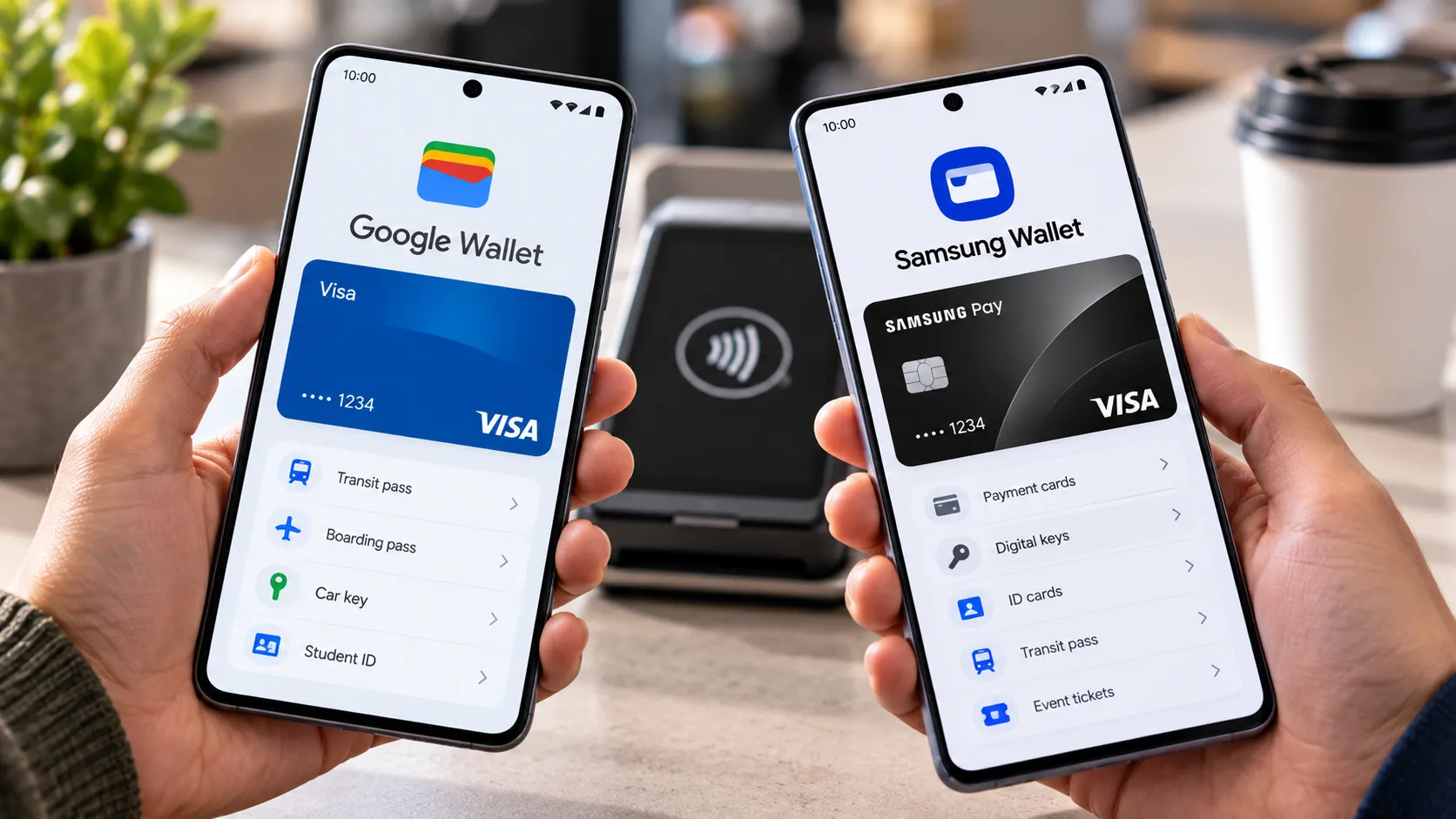
Wear OS now supports contactless payments without requiring you to manually open the Wallet app, making transactions significantly more seamless, as noted by 9to5Google. Just tap your watch at the payment terminal—the system handles the authentication in the background.
PC Games on Play allows you to discover and play select mobile games on your computer, bridging the gap between mobile and desktop gaming experiences. This cross-platform functionality means your game library becomes more versatile, letting you start playing on your phone during a commute and continue on your computer at home.
Additional improvements include enhanced coordination between Google services and Credential Manager to prevent those annoying simultaneous login dialogs, expanded media recommendations with movie and TV show poster images, and improved digital credential support. These might seem like small changes, but they add up to a more polished, integrated user experience across Google's ecosystem.
Bottom line: This update demands immediate attention
The March 2026 Android update represents far more than routine maintenance—it's a critical security release that addresses real, ongoing threats. With 129 security fixes including an actively exploited zero-day vulnerability, this update protects against attacks that are happening right now.
The zero-day fix alone makes this update essential for anyone using devices with Qualcomm components, which includes the vast majority of Android phones. Attackers were already walking through this particular security door—updating closes it behind them.
For most users, the update process takes less than 15 minutes and delivers significant benefits: better protection for personal data, access to new Google Play features, improved device performance, and enhanced cross-device connectivity. The new features arrive through system updates, meaning your current phone becomes more capable through software improvements alone.
If you haven't updated yet, head to Settings, check for system updates, and install what's available. Your future self—especially the version that avoids a security headache—will thank you for taking action while you still can.


Comments
Be the first, drop a comment!