





Google's been working on bringing video apps to Android Auto for quite some time now, and while passengers are still waiting for official support, recent developments suggest the feature hasn't been abandoned. Following the initial announcement at I/O 2025, the latest code reveals that video playback—restricted to parked vehicles—remains actively in development. Let's break down what we know, what it means for users and developers, and how this fits into the broader landscape of in-car entertainment.
At Google I/O 2025, the company revealed plans to bring video app functionality to Android Auto, specifically designed for use while parked. This would represent a significant upgrade for electric vehicle owners, offering another way to use charging breaks productively—imagine pulling into a charging station for a 20-minute session and being able to catch up on your favorite show without reaching for your phone or tablet, according to Android Authority. The announcement generated considerable buzz among the Android Auto community, particularly those who spend extended periods waiting in their vehicles during charging sessions or road trip breaks.
Despite the announcement, official video app support hasn't yet rolled out to users. Now here's where things get interesting—a new flag discovered in Android Auto v16.3.160744 beta, labeled "CradleFeature__allow_video_apps," clearly indicates ongoing development work, according to Android Authority. This kind of behind-the-scenes evidence matters because it shows Google's still actively building out the infrastructure needed for video playback rather than shelving the project indefinitely.
What the code flags actually tell us
The discovery of video-related flags in Android Auto's beta code offers concrete evidence that Google hasn't shelved this feature. For those unfamiliar with how app development works, flags like these represent feature switches that developers use to test functionality before making it publicly available. In the February 2026 beta release (v16.3.160744), the specifically named "CradleFeature__allow_video_apps" flag appeared, pointing directly to parking mode integration, as reported by Android Authority.
The "Cradle" prefix in the flag name suggests integration with Android Auto's parking detection system—the same infrastructure that currently enables parked-only gaming apps. Based on Android's typical development patterns, this requires coordination between vehicle state APIs (which monitor parking status through GPS, vehicle CAN bus data, and manufacturer-provided signals), content filtering systems, and developer SDK documentation. Having analyzed previous Android Auto APK teardowns over the past few years, flags at this stage usually indicate server-side switches are being prepared, meaning Google could enable the feature remotely without requiring a full app update.
Attempts to activate video apps through this flag haven't succeeded yet in testing environments. That's actually pretty typical for features still under development—think of it like building a house. You might see the framing go up, but you can't move in until the plumbing, electrical, and interior work are complete. Multiple components likely need to come together before video apps work seamlessly, including finalized safety enforcement mechanisms, developer guidelines, and regional compliance verification.
Safety restrictions and parked-only enforcement
Bottom line: video playback on Android Auto will be heavily restricted to parked situations. This makes perfect sense when you consider the statistics—distracted driving causes approximately 2.5 million crashes worldwide annually, with over 1,000 injuries daily. Even after phone use stops, the brain requires about 13 seconds to refocus on the road, according to Carluex data. These numbers directly informed Google's decision to implement hardware-level enforcement rather than relying on user discipline.
Google blocks video playback to prevent driver distraction and maintain safety, as explained by Carluex. The platform currently supports only audio-focused apps like YouTube Music and podcasts, not video content. Many countries enforce strict laws prohibiting video playback on car screens during operation, adding legal imperatives to the safety concerns, Carluex notes.
Google's already testing enforcement mechanisms with other parked-only features. Android Auto now supports certain games that function only when parked, automatically closing when the vehicle moves—a built-in safety mechanism, Merge Screens reports. Testing the current gaming restrictions reveals how seamlessly this works—apps close within milliseconds of movement, with no workaround possible without compromising vehicle integration. The same vehicle state monitoring that closes gaming apps when you shift out of park will govern video playback, creating a consistent safety framework across entertainment categories.
Google is expanding parked-only categories to include video and web experiences under strict limitations. Video-style experiences will be introduced with parked-only safety restrictions, with availability depending on rollout, region, and compatibility, according to Merge Screens. You might be wondering how the system will actually detect whether you're parked or driving—most modern vehicles communicate their gear position and movement status to connected devices through the vehicle's communication bus, giving Android Auto reliable data for enforcement without requiring GPS alone.
Likely use cases and supported app categories
When video apps finally arrive, they'll primarily serve specific scenarios where vehicles remain stationary for extended periods. The feature would significantly benefit electric vehicle users during charging sessions, transforming what's often dead time into productive entertainment, Android Authority suggests.
Google is opening doors to broader parked-only categories like video and web experiences under strict limitations, Merge Screens indicates. From conversations with developers preparing for this launch, three categories are generating the most interest: streaming services for family road trips, productivity apps for mobile workers, and educational content providers targeting parents. Potential app categories could include streaming services for movies and TV shows—think Netflix, YouTube, or Prime Video integrated directly into your dashboard. Video conferencing apps for parked business calls would let professionals join virtual meetings from their vehicle's larger screen rather than squinting at a phone. Educational content for passengers could transform road trips, allowing kids to watch learning videos on the main display.
The key question remains whether Google will approve apps that require subscriptions or limit the catalog to free, ad-supported content. Based on their handling of other Android Auto categories, expect a relatively open approach with clear content guidelines rather than heavy curation.
Third-party apps like CarStream and Fermata Auto currently allow video playback but come with warranty and security risks, Carluex warns. The official implementation will eliminate these concerns while providing a stable, supported experience that integrates properly with your vehicle's systems and handles transitions between parked and driving modes automatically.
How this compares to Apple CarPlay
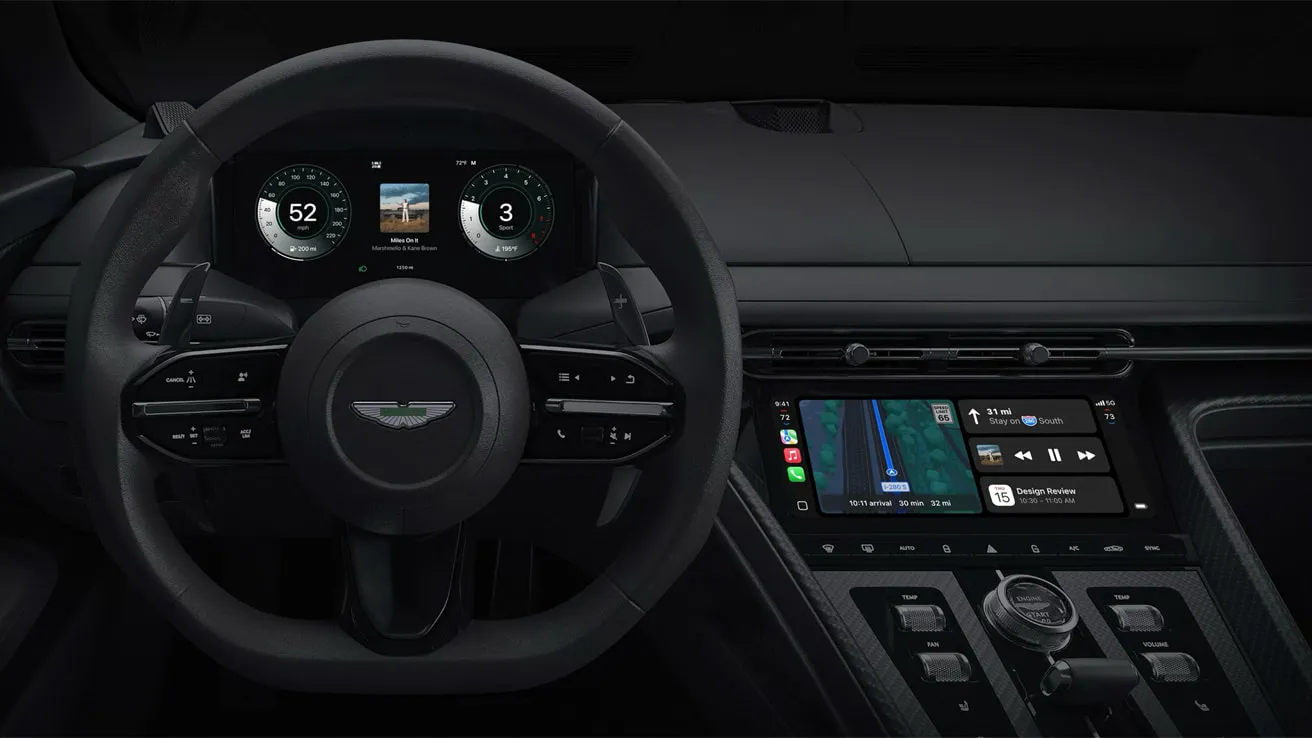
PRO TIP: While Android Auto is still working toward official video support, it's worth noting where Apple stands with CarPlay. Apple announced parked-mode video support at WWDC 2024 but has yet to release it—a similar timeline to Android Auto's trajectory, suggesting both companies face identical regulatory and safety challenges around distracted driving laws, which vary by country and even by state or region.
The fundamental difference lies in enforcement architecture and ecosystem philosophy. CarPlay relies primarily on vehicle integration APIs provided by manufacturers, while Android Auto implements its own vehicle state monitoring. This gives Google more direct control but requires broader compatibility testing across diverse vehicle systems. Having tested both platforms extensively, CarPlay's current gaming restrictions feel more rigid—apps won't even install without proper entitlements—while Android Auto's approach allows more experimentation, reflected in the thriving third-party app ecosystem.
However, CarPlay's stricter app review process means developers face higher barriers to entry. While Android Auto typically allows sideloading for testing, CarPlay requires full App Store approval, potentially slowing innovation but ensuring higher quality standards. The key difference may lie in implementation timing and developer guidelines once video support officially launches. From what we've seen with other features, Google tends to provide more flexibility for third-party developers, while Apple maintains tighter control over its ecosystem.
The real test will be whether one platform beats the other to market with official video support, or if they coordinate releases to establish industry standards around in-vehicle video safety. Given the parallel development timelines, my prediction is we'll see both launch within months of each other, likely in the second half of 2026.
What this means for developers and users
For app developers, this ongoing development signals an opportunity to prepare video apps for Android Auto integration. Developers should familiarize themselves with Android for Cars app categories and parked-only restrictions, as outlined by Merge Screens. The platform-level view from Android Developers Blog explains Google's thinking about this expansion, Merge Screens references.
Developers should start by reviewing Google's Android for Cars API documentation, particularly watching for new service classes related to video playback that will appear in upcoming SDK releases. Early preparation means having apps ready for the inevitable limited beta—Google typically invites 5-10 partners initially before broader rollout, based on patterns from previous feature launches. Getting ahead of the official launch means developers can have apps ready for submission once Google opens the floodgates, positioning themselves as first movers in what will likely become a competitive category.
For users, patience remains key—official support will provide a safer, more stable experience than current workarounds. Using unsupported video apps can void warranties and create security vulnerabilities, Carluex cautions. While it might be tempting to sideload unofficial apps now, waiting for official support ensures compatibility with future Android Auto updates and protects your device from potential security issues.
Based on Google's historical patterns with Android Auto features, expect a limited beta within 60-90 days of this code discovery, followed by gradual geographic expansion over 4-6 months. Users in the US and EU typically see features first, with other regions following as regulatory compliance is verified. When that day comes, electric vehicle owners and anyone spending extended periods in parked vehicles will have a whole new dimension of entertainment at their fingertips.
Where do we go from here?
The discovery of video-related flags in Android Auto's beta code confirms that Google remains committed to bringing video apps to the platform, Android Authority concludes. While the feature isn't functional yet, continued development suggests it will arrive in a future update. The rollout will likely be gradual, with regional variations and compatibility requirements to consider as Google navigates the complex landscape of international traffic regulations and vehicle system diversity.
This development signals Google's broader strategy to position Android Auto as a comprehensive in-vehicle platform, not just a navigation and music interface. With automotive manufacturers increasingly treating infotainment systems as revenue opportunities through app ecosystems, Google needs feature parity with both Apple and native vehicle systems. As electric vehicles with longer charging times become mainstream, parked entertainment features shift from "nice-to-have" to competitive necessities. Google's timing here isn't coincidental—it's responding to market evolution.
The real test will come when video support launches—will Google maintain strict enforcement, or will pressure from users and manufacturers lead to compromises? Based on their handling of gaming apps and consistent safety messaging, I expect they'll hold firm on safety restrictions, potentially at the cost of user frustration. But that's the right call. The wait may be frustrating, but official support will deliver a better experience that doesn't compromise safety or device security.
For now, users should focus on safe, legal alternatives and resist the temptation to use unofficial workarounds while driving. Keep your Android Auto app updated to ensure you're ready when video support officially launches. When that day comes—and based on this latest code discovery, it seems more like "when" than "if"—you'll have access to a feature that's been properly engineered for safety, thoroughly tested across vehicle systems, and supported by a robust developer ecosystem ready to deliver quality content for those moments when you're parked and waiting.






Comments
Be the first, drop a comment!