






Android AirDrop-Style Tap to Share Expands, Most Users Still Waiting
Android phones can now send files directly to iPhones, iPads, and Macs using Quick Share, no third-party app required, no cloud relay, no workaround. The catch: the feature is still confined to a short list of current flagships, and for most Android users, there is no confirmed path to get it.
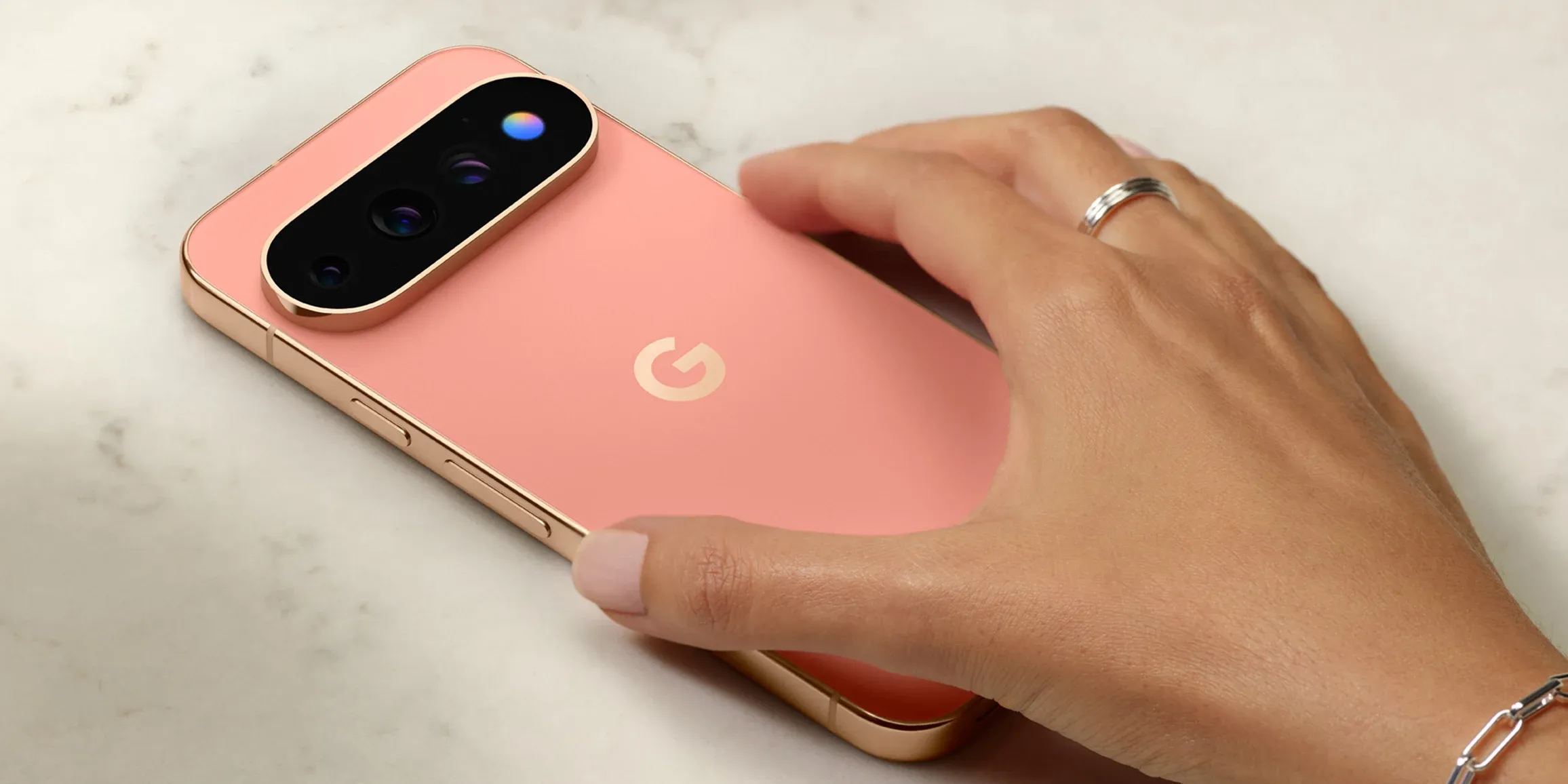
Pixel 10 owners have had access since November 2025. Google extended support to the Pixel 9, 9 Pro, 9 Pro XL, and 9 Pro Fold two months ago, rolling out in phases and requiring a separate Quick Share Extension installation to activate, per 9to5Google. Samsung began rolling out support on the Galaxy S26, S26+, and S26 Ultra last month, starting in Korea before expanding to Europe, Hong Kong, Japan, Latin America, North America, Southeast Asia, and Taiwan later that week, 9to5Google reported. Oppo said its devices would add support by the end of March, though that remains a stated commitment rather than a confirmed rollout.
Android VP of Engineering Eric Kay said at a press briefing in Taipei earlier this year that Google had "proven it out" and was "working with our partners to expand it into the rest of the ecosystem," with "a lot more devices" expected to follow in 2026, Thurrott reported. The rollout is real. It is also selective, OEM-dependent, and moving on a timeline Google has not fully disclosed.
Which phones have Quick Share AirDrop support now, and where the rollout stops
The Pixel 9 lineup expansion explicitly excluded the Pixel 9a, a mid-range phone from the same product generation, with no explanation and no timeline for inclusion, 9to5Google noted. Google has not published hardware or software requirements, so there is no way to predict from a spec sheet which devices qualify next.
Samsung's older Galaxy lineup faces the same ambiguity. The company confirmed that "additional Galaxy devices" would receive support eventually but named no specific models or dates, according to 9to5Google. Samsung and Nothing had both indicated interest in adopting the feature earlier this year, though neither has set a public timeline for specific devices, gHacks reported.
Google has not confirmed whether older Android versions will be supported or whether specific hardware requirements apply, gHacks reported. Owners of the Pixel 9, 9 Pro, 9 Pro XL, 9 Pro Fold, Pixel 10 family, and Galaxy S26 series either have access now or are close to it. Everyone else, including older Pixels, older Galaxy models, and the bulk of the Android market, has no confirmed timeline.
How the Android AirDrop-style transfer works, and where the friction lives
The connection is direct and peer-to-peer. Files move locally between devices without passing through a server, shared content is never logged, and no extra data is shared, per 9to5Google. Google built the implementation with "security at its core," using established, audited protocols reviewed by independent security experts before launch, Thurrott reported. No third-party app, no account sign-in required.
The friction lives on the iPhone side. For a transfer to complete, the receiving Apple device must be set to accept AirDrop from "Everyone for 10 Minutes," a setting most people do not leave on, gHacks reported. Both devices also need to be discoverable at the same time. Sending a file to an iPhone user means asking them to dig into settings first. It works, but it is not the tap-and-done experience that AirDrop delivers within Apple's own ecosystem.
Google has said it is open to collaborating with Apple on "Contacts Only" AirDrop discovery, which would let trusted contacts receive files without that manual step, 9to5Google reported. Apple has not publicly responded. Until that changes, every cross-platform transfer carries a setup requirement that native AirDrop between Apple devices does not ask for.
What Android 17 tap to share references suggest about where this is heading
Android Authority found references in Android 17 beta and Canary builds to a feature called "Tap to share," an NFC-triggered proximity transfer mechanism that appears to sit at the OS level rather than inside any individual manufacturer's implementation, The Verge reported last month. Because it sits at the OS level, the feature could potentially reach all Android devices rather than depending on each OEM to implement support separately, The Verge noted.
That would be a meaningfully different model than what exists today. Right now, getting Quick Share's AirDrop compatibility requires an OEM to actively adopt it, push an update, and decide which of its devices qualify. A platform-level feature would remove that bottleneck, at least in theory.
"Tap to share" has not been announced, and beta builds routinely contain features that never ship or ship substantially changed. Google has separately confirmed it is building AirDrop compatibility as a platform-level capability rather than a Pixel-only feature, and recent under-the-hood Android updates reflect that direction, gHacks reported. The Android 17 references are consistent with that intent, not a product commitment.
What it would take for this to become routine
Quick Share's AirDrop interoperability is confirmed, working, and spreading. Pixel and Samsung rollouts arrived within five months of launch, and Oppo has committed to following, a pace that suggests Google is treating this as infrastructure rather than a flagship differentiator, per 9to5Google.
For most Android users, it remains out of reach. Eligibility rules are not fully disclosed, the rollout is OEM-dependent, and even on supported devices the experience asks more of the iPhone recipient than native AirDrop ever does, gHacks and Thurrott both noted.
Two things would need to change for this feature to move from useful-for-some to genuinely routine: OEMs extending support to older and mid-range hardware on a defined schedule, and Apple engaging on the "Contacts Only" discovery gap. Google controls the first, partially. Whether Apple responds may end up being the more consequential variable, The Verge reported.


Comments
Be the first, drop a comment!