




Android 2025: How Google Transformed the Platform
Google has been busy this year. The tech giant overhauled how Android updates work, launched the stable Android 16 release months ahead of the traditional schedule, and accelerated its development timeline to better align with hardware launches. The company also shifted from annual releases to a dual-cadence approach, delivering major builds in summer and minor releases in winter. Add in significant UI refreshes, deeper AI integration throughout the ecosystem, and the groundwork for Android XR, and it's clear that Google had an exceptionally productive year.
What's fascinating is how these changes signal a fundamental shift in Google's approach to Android development. We're witnessing the platform's evolution from a smartphone-centric operating system to something much more ambitious—a foundation that spans everything from phones to mixed reality headsets. This transformation addresses long-standing industry pain points while positioning Android for the next decade of computing. Let's break down what made 2025 such a pivotal year for Android.
Android 16's early arrival: A strategic shift
Google completely reimagined its Android release strategy in 2025. Instead of the traditional September launch window, Android 16 arrived in June 10, 2025, giving manufacturers significantly more time to integrate the latest features into their holiday device shipments. This wasn't just a scheduling tweak—it represented a fundamental change in how Google approaches Android development.
The accelerated timeline addressed a longstanding industry problem that frustrated consumers and OEMs alike. Previously, OEMs faced awkward launch windows where new devices would debut without the latest Android version, creating confusion for consumers and extra work for manufacturers. Imagine buying a $1,200 flagship phone in August only to discover it was running "last year's" Android version, even though that version was only a few weeks old. This timing mismatch hurt both customer satisfaction and device marketing.
The shift reflects broader industry realities. The market's rapid pace demands API updates multiple times per year, making the old annual cadence feel sluggish by comparison. Google's new approach recognizes that modern software development cycles move faster than yearly releases can accommodate, particularly when hardware launch cycles depend on having the latest software ready for integration months in advance.
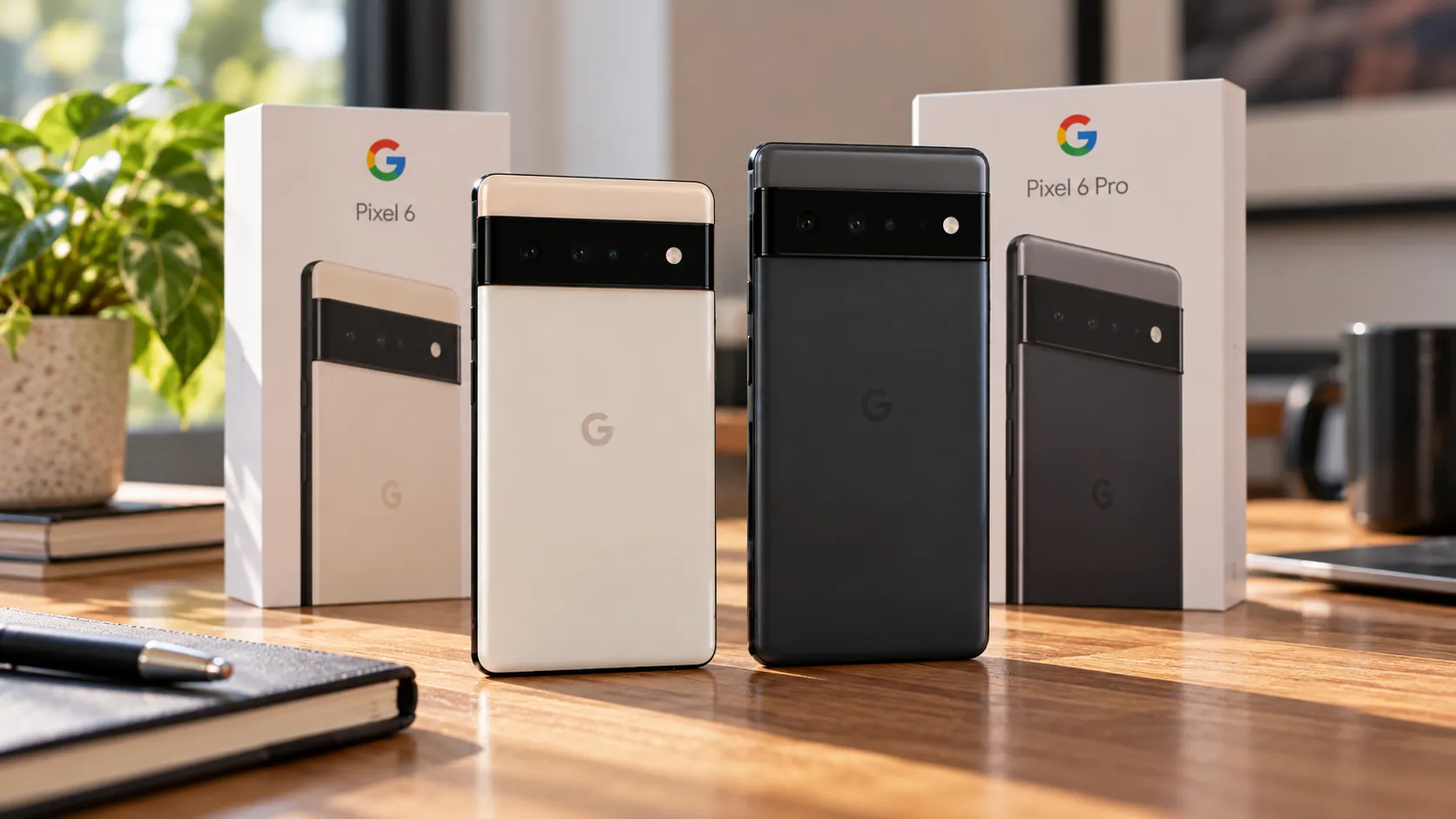
The execution on Google's own hardware remained flawless. Android 16 rolled out to all supported Pixel devices within moments of release, maintaining the company's reputation for instant updates across its hardware lineup. Google continues to treat all Pixel phones equally with seven years of support, setting the gold standard for Android update reliability.
The strategic brilliance of this timing change extends beyond convenience. The earlier release window allows Google to gather real-world feedback from millions of Pixel users before OEM partners finalize their own implementations, creating a quality control mechanism that benefits the entire Android ecosystem.
AI integration reaches new depths
This year marked a turning point in how Google approached artificial intelligence within Android. The company wanted to take its 2024 AI foundation and push it deeper into the ecosystem, transforming how users interact with their devices on a fundamental level. This wasn't about adding flashy AI features—it was about fundamentally reimagining the relationship between users and their devices.
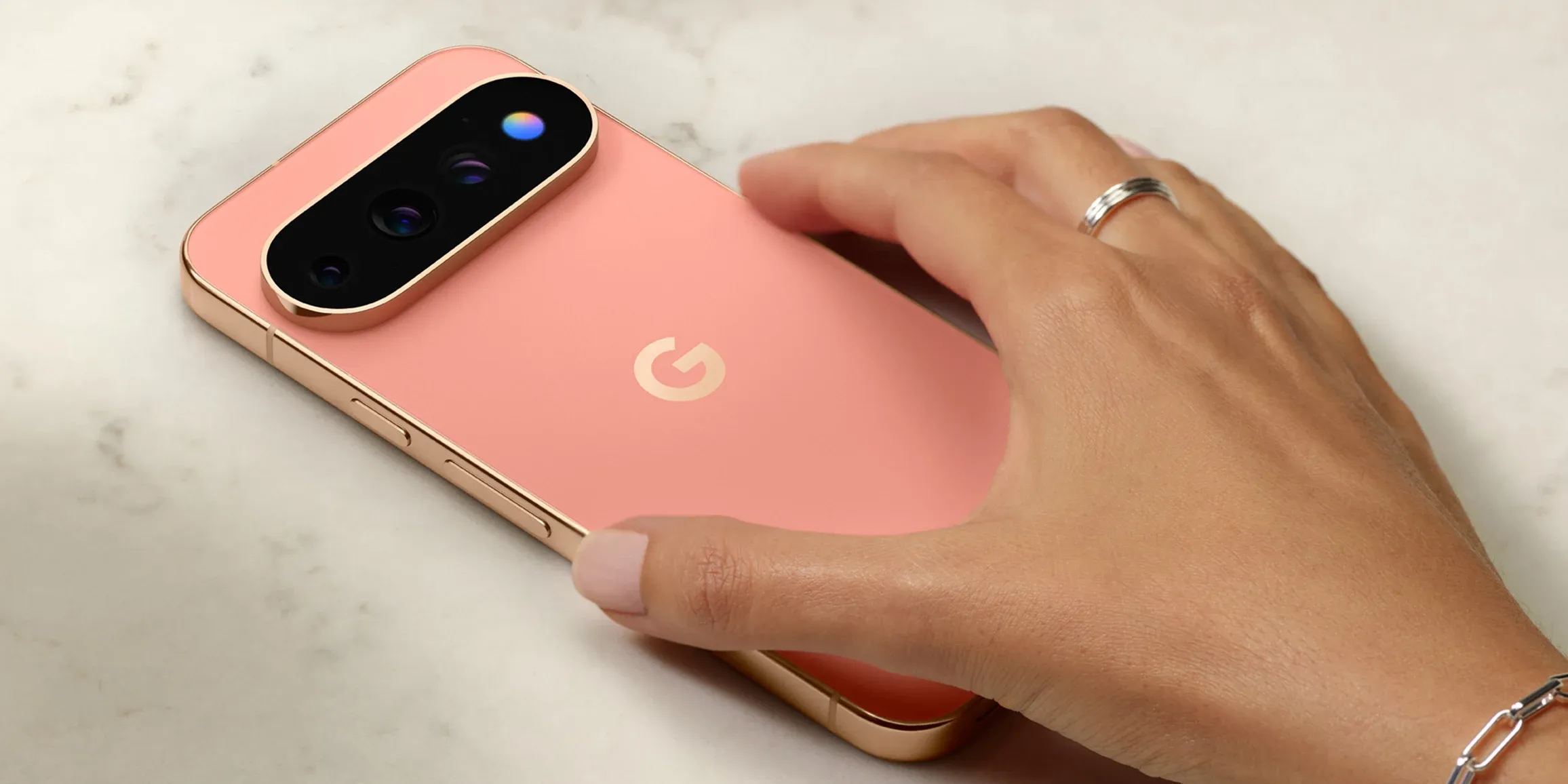
The Pixel 10 series became Google's showcase for this AI-first philosophy. Marketed as "ready for the Gemini era," these devices demonstrated the company's commitment to on-device AI processing. The phones delivered incredible local AI capabilities, allowing many features to run entirely on the device without cloud dependency. This local processing approach addresses two critical user concerns: privacy protection and reliability when connectivity is limited.
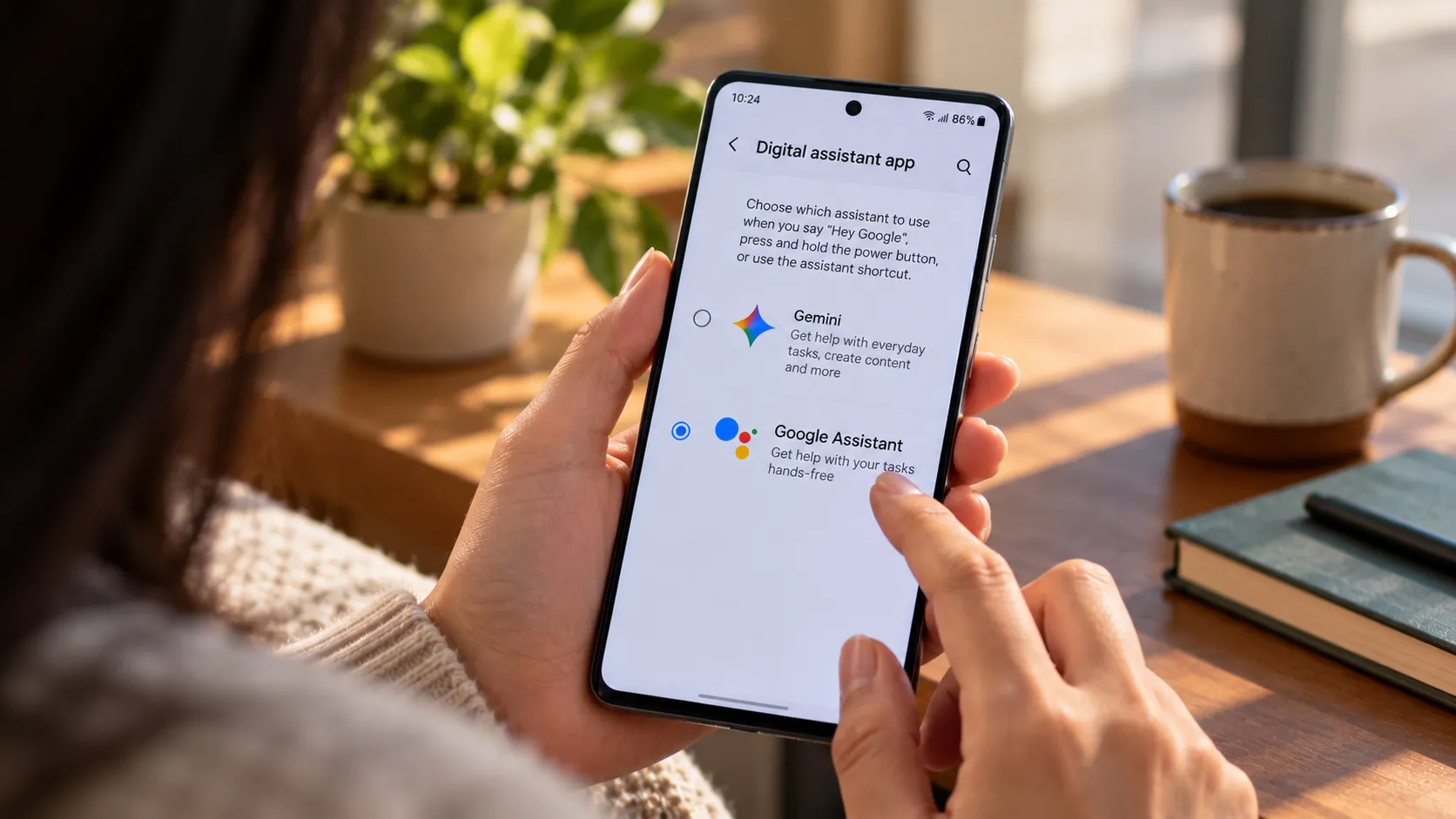
Google's AI ambitions extended well beyond hardware specifications into ecosystem-wide transformation. The company replaced Google Assistant permanently with Gemini across all platforms, signaling a complete shift in its voice interaction strategy. This wasn't a gradual transition or parallel offering—it was a clean break from the Assistant era, demonstrating Google's confidence in Gemini's superior capabilities.
The practical applications impressed users with their contextual intelligence rather than gimmicky demonstrations. Features like Magic Cue began suggesting helpful actions by connecting information across Gmail, Calendar, and Messages, while tools like Voice Translate and the new Pixel Journal offered AI-generated writing prompts for inspiration. Magic Cue exemplifies Google's maturing understanding of AI utility—instead of throwing random suggestions at users, it analyzes cross-app context to surface genuinely useful actions at precisely the right moment.
Consider a real-world scenario: you receive a dinner reservation confirmation email, and Magic Cue notices a gap in your calendar that evening. Rather than simply noting the appointment, it might suggest adding travel time based on current traffic conditions, setting a reminder to call the restaurant if you're running late, or even blocking focus time before the dinner for preparation. These contextual connections demonstrate AI's evolution from novelty feature to indispensable digital assistant.
Android XR opens new frontiers
Perhaps the most exciting development was Google's entry into extended reality with Android XR. Samsung launched the Galaxy XR device as a direct competitor to Apple Vision Pro, marking the first major Android-powered headset to hit the market. This launch represented more than hardware diversification—it signaled Google's vision for Android as a truly universal computing platform.
The platform's foundation impressed developers immediately with its pragmatic approach to ecosystem expansion. Android XR shares significant back-end code with standard Android, meaning existing Android developers were automatically prepared for XR development without learning entirely new frameworks. This shared codebase strategy reduces development barriers while ensuring consistency across Google's expanding device ecosystem.
Google's inclusive developer approach extended beyond Android veterans. The company didn't abandon Unity developers, providing ported libraries along with AR and VR development tools for creating immersive experiences. This multi-platform support suggests Google learned from past platform launches where limited developer adoption hindered widespread success.
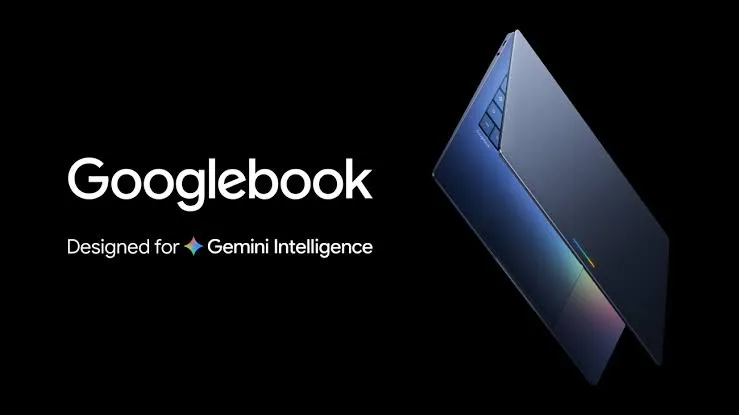
The collaboration strategy extended well beyond Samsung partnerships. Google partnered with Xreal on XR glasses, reportedly developing smart glasses similar to Ray-Ban Meta Gen 2 but with deep Gemini integration. Recent leaks point to Aluminium OS as the desktop-class operating system designed to make Android flexible enough to run across dramatically different device categories.
What makes Android XR particularly compelling for the long term is its unified ecosystem approach rather than creating isolated device categories. Your Android phone, tablet, and future XR headset will share apps, data, and experiences seamlessly. Imagine starting a video call on your phone, transitioning to an immersive XR meeting space when you arrive home, then switching to tablet mode for collaborative document editing—all powered by the same underlying platform with consistent user experience patterns.
Update delivery remains inconsistent
While Google perfected its own update process, the broader Android ecosystem still struggled with consistency that undermines user confidence. Samsung's upgrade performance varied significantly, earning a 75% grade that represented inconsistent delivery compared to previous years' performance. This inconsistency isn't just about timing delays—it creates user uncertainty about device longevity and security.
The fragmentation problem extends beyond simple scheduling to fundamental user experience issues. You might own a premium Samsung flagship that's still waiting for an update while a mid-range Pixel device received it months earlier. This disparity affects not just feature access but security patches, performance optimizations, and compatibility with newer apps and services.
However, gradual progress is occurring across the ecosystem despite persistent challenges. Most brands now deliver updates within a few months of stable release, and high-end phones typically receive at least four platform updates. Google's strategic hardware partnerships show promise: the company collaborated with Qualcomm to extend device support up to eight years, with the Snapdragon 8 Elite chip enabling this extended lifecycle through improved hardware longevity.
Challenges persist across specialized device categories that highlight Google's ecosystem control limitations. Most brands still perform poorly with software updates, forcing Google to consider stronger intervention in partner relationships. The Wear OS ecosystem faced particular struggles, with companies like OnePlus dealing with significant update delays and Mobvoi potentially exiting the platform due to implementation difficulties. These Wear OS challenges illustrate broader ecosystem management complexities—when platform success depends on partner implementation quality, maintaining consistent user experience becomes exponentially more difficult.
The smartwatch situation particularly demonstrates the security implications of update inconsistency. A wearable device stuck on an outdated OS version doesn't just miss new fitness features—it becomes a potential security vulnerability in users' connected device networks, potentially compromising health data and personal information.
What's ahead: An exciting 2026
Looking forward, the momentum from 2025 establishes the foundation for Android's most significant transformation since its original smartphone focus. There's much greater enthusiasm around what Google plans to share with the broader Android ecosystem in 2026. The groundwork is comprehensive: Android XR headsets are launching, ChromeOS integration with Android continues developing, and Google continues integrating innovative features throughout the platform stack.
The early Android 16 release strategy proved its value through improved OEM adoption and reduced market confusion. Giving OEMs more time to integrate new features eliminated the awkward gap between Android releases and device launches, creating better experiences for millions of users who previously found themselves buying technically "outdated" phones. This scheduling change alone should significantly improve user satisfaction and device longevity perception.
Google's AI integration matured substantially throughout 2025, moving from experimental features to practical utility. While users are still gradually recognizing AI's importance on their devices, the shift from novelty demonstrations to genuinely useful daily tools represents crucial evolution in mobile AI applications. The foundation is now solid for more sophisticated AI integration that feels natural rather than forced.
The Android XR initiative represents perhaps the biggest opportunity ahead for cross-device computing experiences. With Android XR headsets debuting, ChromeOS-Android integration progressing, and continuous feature additions, 2026 promises to deliver the seamless multi-device future that tech enthusiasts have anticipated for years. Google spent 2025 building the technical infrastructure and developer ecosystem necessary to make this vision practical rather than merely aspirational.
What excites me most about 2026 is the potential for truly seamless cross-device workflows that feel natural rather than gimmicky. Picture starting a complex task on your phone during commute, expanding it to an XR workspace when you arrive home, collaborating with remote colleagues in shared virtual spaces, then finishing detailed work on a traditional laptop—all powered by the same Android platform with consistent app ecosystems, synchronized data, and unified user interface patterns.
Google has assembled the technology foundation, secured crucial hardware partnerships, and cultivated the developer ecosystem necessary for this ambitious vision. The stage is set for Android's most significant evolution since its smartphone origins. The question heading into 2026 isn't whether Google can deliver these experiences, but how quickly users will adopt workflows that fundamentally reimagine the relationship between computing and daily life.


Comments
Be the first, drop a comment!