





The head of Android just dropped some fascinating insights at MWC 2024, and honestly, the timing couldn't be better. With Android 15 making waves and ongoing debates about app sideloading policies reaching fever pitch across global markets, we're getting a rare glimpse into Google's strategic thinking during a pivotal moment for the platform. Plus, there's apparently some strong opinions about phone cases that reveal deeper design philosophy worth exploring.
Let's break down what this means for developers, users, and the broader Android ecosystem as we head into the next chapter of mobile computing.
What's actually new in Android 15's development approach
The Android team's vision for their latest version represents a significant shift in how Google approaches platform development. Now here's the thing—rather than focusing solely on flashy consumer features that grab headlines at launch events, the emphasis has pivoted toward foundational improvements that impact how apps interact with the system at a much deeper level.
Here's what you need to know: the changes aren't just about adding new capabilities that look good in demo videos. Google's engineering teams are rethinking core assumptions about mobile operating systems that have been standard since Android's early days. This approach suggests preparation for a computing landscape that extends well beyond traditional smartphones, potentially encompassing everything from foldables to AR devices.
What's particularly interesting is how this philosophy represents a maturation of Google's platform strategy. Instead of chasing the latest trends or trying to match competitors feature-for-feature, they're taking a longer-term architectural view. The technical implications run deeper than typical version updates, with modifications affecting how developers approach app architecture and user experience design from the ground up.
Think about practical impact: when system hardware interactions and system hardware interactions become more flexible and efficient, it opens entirely new possibilities for developers. We're talking about the kind of under-the-hood work that doesn't make for exciting marketing copy but fundamentally changes what's possible on the platform.
PRO TIP: Developers should start considering how more flexible inter-app communication might change their architecture decisions, especially for apps that rely heavily on system integrations or multi-app workflows.
The sideloading controversy: security vs. openness
The ongoing debate about app sideloading has put Google in a complex position, balancing regulatory pressure from various global markets with legitimate security concerns backed by real-world malware distribution data and user behavior research.
Bottom line: this isn't just a technical discussion about installation methods or developer certificates. It's about fundamental questions of who controls software distribution on mobile devices, with implications extending far beyond individual user preferences to broader questions about competition, developer access, and platform governance.
The complexity stems from genuinely conflicting stakeholder interests. Developers want streamlined distribution channels. Regulators push to prevent anti-competitive practices. Security researchers worry about malware vectors. Users primarily want reliable devices without navigating underlying complexity.
Google's approach to this challenge influences how other major platforms handle similar pressures, making these policy decisions particularly significant for the entire mobile ecosystem. Every decision made regarding Android's openness creates ripple effects affecting how billions of people interact with their devices worldwide.
The core tension between security and openness can't be resolved through engineering alone. Every additional app installation avenue potentially creates new attack vectors, while overly restrictive policies can stifle innovation and healthy competition. Google's challenge lies in finding sustainable middle ground that serves multiple constituencies without compromising platform integrity.
Key takeaway: Watch how Android's sideloading policies evolve—they're likely to set precedents that other platforms will follow, affecting the entire mobile app ecosystem's future structure.
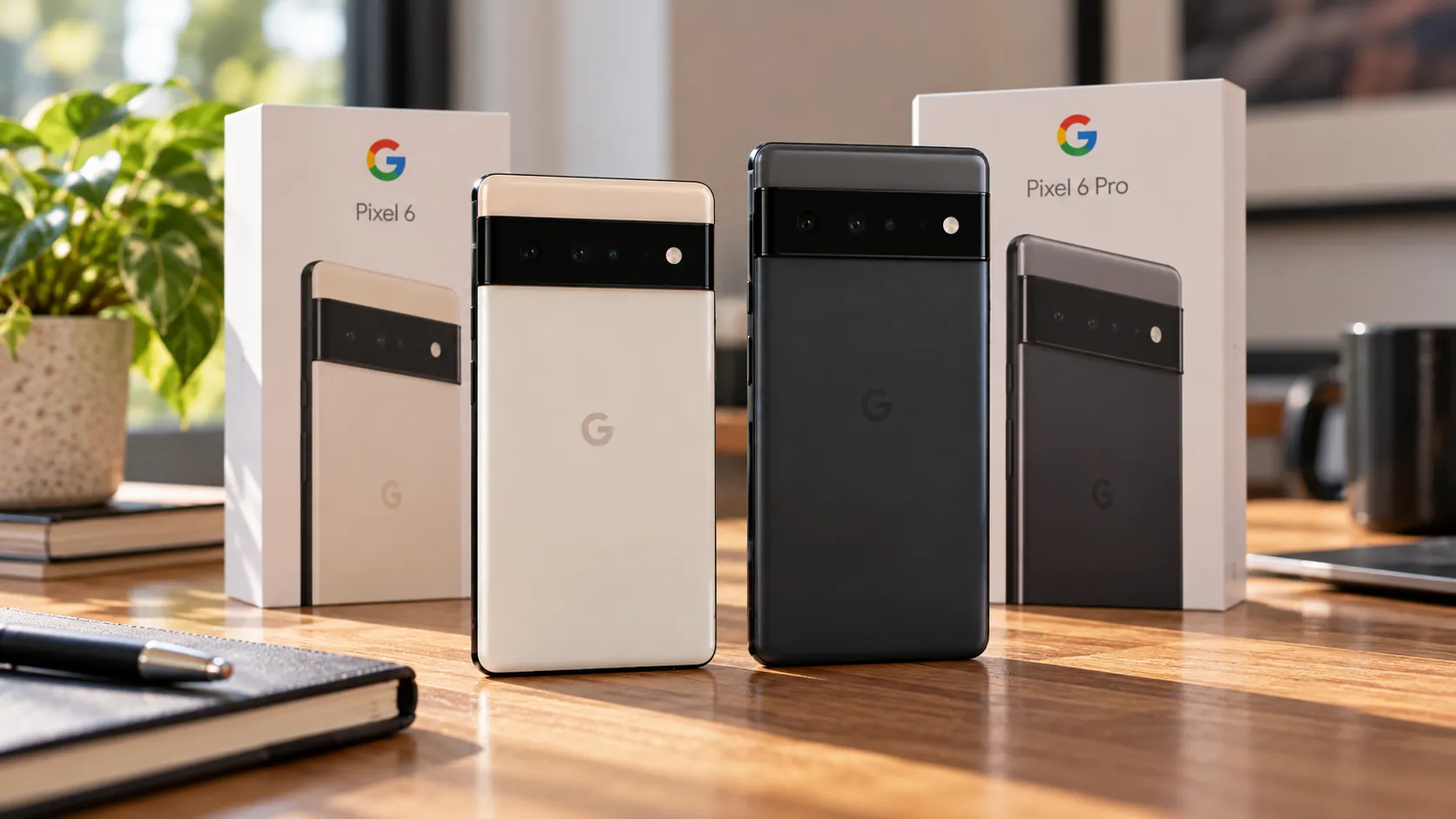
Why phone case preferences reveal design philosophy
The discussion around phone case usage offers insight into how hardware design philosophy influences software development decisions, highlighting the ongoing tension between device protection needs and optimal user experience from a design perspective.
Here's the thing: design decisions aren't made in isolation—they reflect broader assumptions about how people should interact with technology. When platform leaders express strong preferences about accessories, it signals underlying priorities about industrial design and user experience that influence future product development in subtle but important ways.
Consider the engineering perspective: gesture controls and wireless charging systems treat phone cases as constraints. Cases add thickness variations, potentially interfere with sensors, and can make carefully calibrated haptic feedback feel less precise. From a technical standpoint, they represent obstacles to the "pure" user experience designers originally intended.
This philosophy could impact everything from gesture recognition algorithms (which must account for case thickness variations) to wireless charging implementation in upcoming Android devices. It reveals Google's vision for device interaction—apparently preferring direct contact with carefully designed hardware surfaces.
But here's the practical reality: most users will continue using protective cases regardless of design team preferences. The real challenge becomes optimizing experiences while acknowledging this reality rather than designing against it.
Bottom line: This design philosophy tension reflects broader questions about who defines optimal user experience—engineers creating idealized interactions, or users adapting technology to their actual needs and concerns.
What this means for the Android ecosystem moving forward
These insights reveal Google's positioning strategy as the mobile landscape continues evolving, with timing that feels particularly significant given current industry transitions. The combination of architectural updates, policy adjustments, and design philosophy suggests preparation for substantial changes in how Android devices integrate into users' daily workflows.
The strategic implications extend beyond immediate technical changes to longer-term questions about platform differentiation and competitive positioning. For developers, this signals potential shifts in best practices and optimization strategies affecting everything from app architecture decisions to user interface design patterns. For users, it hints at evolving expectations about device capabilities and software flexibility that might reshape smartphone ownership concepts.
What connects these different elements is a vision of more seamless, integrated computing experiences. The architectural changes in Android 15, sideloading policy discussions, and even design philosophy commentary all point toward preparation for a world where boundaries between different device types become increasingly blurred.
Understanding these directional changes now provides valuable context for navigating the Android ecosystem as these policies and features roll out. Whether you're a developer planning app updates, a business considering mobile strategy, or someone wanting to understand mobile technology's direction, these insights offer a useful roadmap for what's ahead.
The key takeaway is that we're looking at a period of significant transition for Android, with changes going deeper than typical version updates. It's going to be fascinating to see how these strategic shifts play out in real-world implementation and user adoption.












Comments
Be the first, drop a comment!