



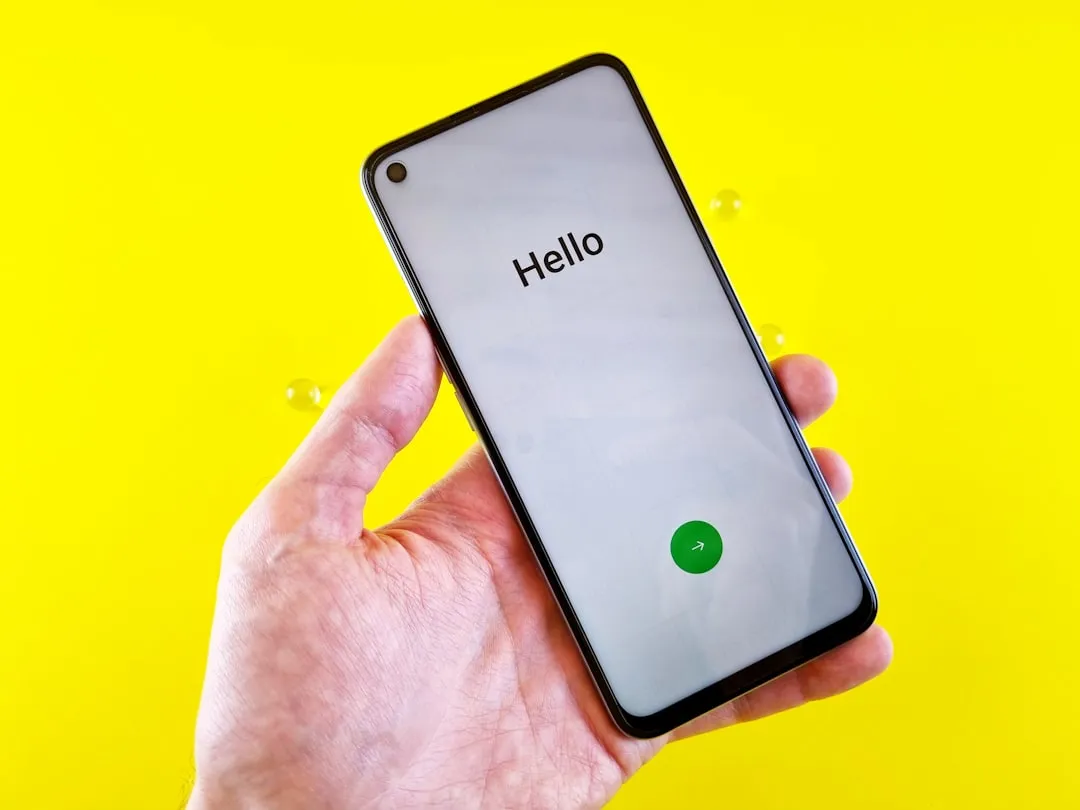
You know that feeling when you hang up from an important call and immediately realize you've already forgotten half of what was discussed? Yeah, we've all been there. Google finally decided to do something about it, rolling out comprehensive call recording capabilities for Pixel users who need to capture conversations reliably.
Modern Pixel devices now include sophisticated recording capabilities that handle everything from automatic consent notifications to local storage management (ZDNet). The feature operates without AI processing, simply capturing audio directly to your device for maximum privacy (ZDNet). Google's implementation includes flexible management options, allowing users to control retention periods and sharing preferences (ZDNet).
This isn't just another tech feature that sounds promising but never delivers. Google has actually built a complete solution that addresses the real-world challenges users face—from legal compliance to storage management. Let's walk through everything you need to know about setting up and using call recording on your Pixel device.
What devices actually support this feature?
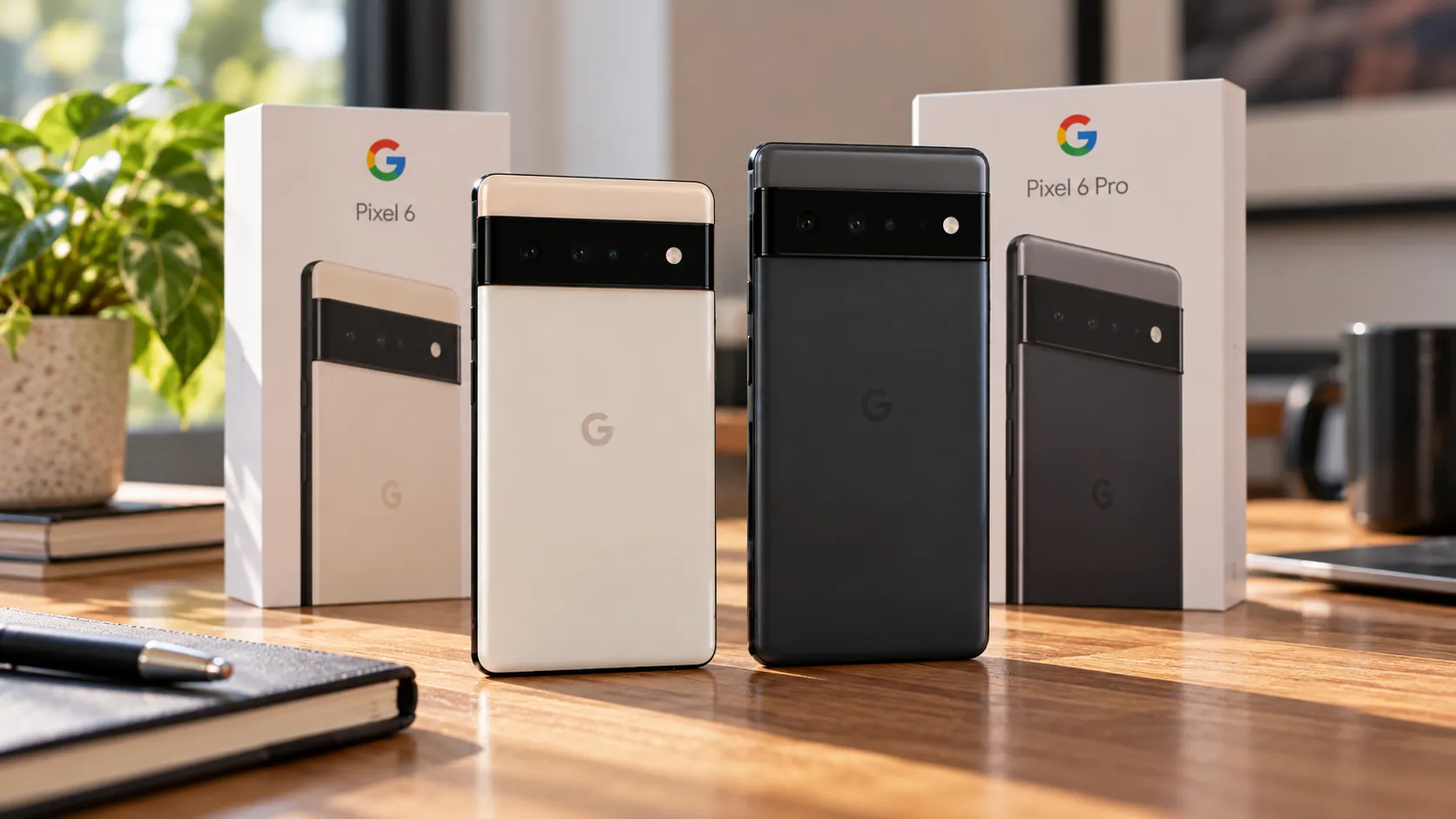
Here's where things get interesting—the rollout targets specific hardware and software combinations that create a bridge for users who were previously left out. Google's call recording works on Pixel 6 and newer devices running Android 14 or higher, plus the latest Phone app version (ZDNet). What makes this particularly strategic is how it specifically reaches older Pixel devices that don't support Google's AI-powered Call Notes functionality (The Verge).
Here's something that might surprise you about Google's approach: non-Pixel devices using the Google Phone app only need Android 9 or newer to access recording features (The Verge). This creates an interesting dynamic where some non-Pixel users actually have an easier path to call recording than Pixel owners.
This rollout strategically fills the gap for devices like the Pixel 6, 7, and 8 series that missed out on the newer AI-powered Call Notes feature available on Pixel 9 and above (Android Police). Instead of leaving these users without any recording solution, Google provided this more straightforward alternative that focuses purely on audio capture.
PRO TIP: You'll need your device to have the November 2025 Feature Drop installed alongside Phone app version 198 or newer (Android Police). Users on the beta channel with newer builds are also gaining access as the rollout expands (Android Police).
Setting up call recording: the actual process
The initial setup process demonstrates how Google has learned from past feature rollouts—everything is streamlined but thorough. You'll find the Call Recording option by opening the Phone app, tapping the menu, selecting Settings, then Call Recording (ZDNet).
The setup involves downloading specific audio files that inform participants about recording, plus reviewing Google's consent notice (ZDNet). This isn't just legal compliance theater—Google actually downloads region-specific notification messages that play during calls. This attention to regulatory detail shows they've taken the compliance challenges seriously.
Once enabled, you can configure auto-delete preferences ranging from 7 to 30 days, or choose to keep recordings indefinitely (ZDNet). This flexibility means you don't have to manually manage storage cleanup unless you want to.
Beyond basic manual recording, the system offers sophisticated automation options. You can set automatic recording for calls from numbers not in your contact list (Android Police)—perfect for business calls or unknown numbers that might be important. Alternatively, you can configure automatic recording for only selected numbers that you specify (Android Police). During your first call after setup, Google provides a brief explanation of how recordings are handled and stored on your device (The Verge).
How to actually record calls during conversations
The recording interface showcases Google's focus on user-friendly design without sacrificing functionality. During any call, you'll find the Call Recording button located under the Call Assist menu (ZDNet). Google wisely avoided burying this feature in obscure submenus—it's accessible but not accidentally triggered.
When you tap the recording button, it triggers a countdown sequence, plays the mandatory disclosure message, and displays a red dot indicating active recording (ZDNet). The countdown serves both legal and etiquette purposes, giving everyone fair notice. To stop recording, simply return to Call Assist and tap the Stop Recording option (ZDNet).
The Phone app automatically plays a warning message to inform all parties that recording has begun (Android Police). This notification system operates for regulatory compliance and cannot be bypassed (Android Police)—which maintains both legal compliance and ethical standards.
During active recording, you'll see a red dot next to the call duration at the top of your screen, while the Stop button remains accessible through the Call Assist menu (9to5Google). The visual indicators are subtle enough to avoid distraction but clear enough to prevent accidental long recordings.
Managing and accessing your recordings
Google's approach to recording management balances accessibility with organization. Recordings appear in the Phone app's Recents tab with a distinctive microphone icon for easy identification (ZDNet). This visual cue makes it effortless to distinguish recorded calls from regular entries when scrolling through your call history.
The management interface provides comprehensive control options. You can play, share, or delete recordings directly through the app interface (ZDNet). The recordings save locally on your device and include an integrated audio player with Google's Material 3 Expressive design (9to5Google). The player interface focuses on functionality over flashiness—exactly what users need.
For privacy-conscious users, recordings stay completely local and aren't backed up to Google services or synchronized across devices (ZDNet). This means your recordings won't unexpectedly appear on other devices signed into your Google account, giving you complete control over distribution.
When sharing is necessary, you can distribute recordings through email, messaging apps, or cloud-upload services (ZDNet). The management interface includes options to delete all recordings immediately or configure automatic deletion after your preferred timeframe (9to5Google).
Legal considerations you need to understand
Understanding your local legal requirements isn't optional—it's absolutely critical before using any call recording feature. Google plays automated disclosure messages at both the start and end of every recording, but legal obligations create a complex patchwork that varies significantly by region (ZDNet).
In the United States, federal law requires only one-party consent, but individual states create their own rules that can mandate all-party consent before recording begins (ZDNet). Currently, 38 US states plus the District of Columbia operate under one-party consent rules (RingCentral). However, states like California, Washington, and Illinois require all-party consent, while Alabama, Texas, and New York only need one-party awareness (RingCentral).
International regulations add another layer of complexity. Canada requires one-party consent, while the UK allows personal recordings but restricts sharing without explicit permission (ZDNet). Google's automatic notifications help with compliance, but they don't substitute for understanding your specific local requirements.
Bottom line: If you live in a region that doesn't allow call recordings, you won't see this feature available on your Pixel device at all (Lifehacker). Google has clearly researched regional restrictions extensively, which explains the gradual rather than global rollout approach.
What this means for your workflow
Google's native call recording represents more than just a new feature—it's a resolution to a problem they partially created. Here's important context: Google had effectively eliminated the third-party call recorder market in 2022 by blocking access to Android's Accessibility API (Lifehacker). That decision left many users without reliable alternatives, making this official implementation feel like Google acknowledging they needed to provide their own solution.
This native implementation offers seamless integration with the Phone app interface and Android Auto compatibility (Android Police). For users with newer Pixel 9 devices, this complements the expanded Call Notes feature that now works in Australia, Canada, India, Ireland, and Japan (Android Police).
The feature addresses what Google previously acknowledged as a "fundamentally useful" need when announcing the rollout back in September (Lifehacker). Unlike AI-powered Call Notes that transcribe and summarize conversations using Gemini, this basic recording feature simply captures audio without additional processing (Lifehacker).
For many users, this straightforward approach provides exactly what they need—reliable call capture without complexity or privacy concerns about AI analysis. After years of complicated workarounds and broken third-party solutions, having call recording work natively feels like a genuine improvement to the Pixel experience that prioritizes user control and simplicity.







Comments
Be the first, drop a comment!