



![The Google Workspace Bible: [14 in 1] The Ultimate All-in-One Guide from Beginner to Advanced | Including Gmail, Drive, Docs, Sheets, and Every Other App from the Suite](https://m.media-amazon.com/images/I/61BihJfkWNL._AC_UY218_.jpg)


Why Googlebook apps run as web apps instead of Android
Google built Googlebook to run on Android, then quietly defaulted several of its biggest apps away from it. That's the short answer to why Googlebook apps run as web apps instead of native Android experiences: Gmail, Docs, Calendar, Sheets, and YouTube all open as Chrome-based web experiences on these laptops, not the Android apps that ship on phones. Google Keep is the one confirmed exception, running natively on Android Authority's test unit, though a single result doesn't prove every Googlebook model behaves the same way (Android Authority, today).
Google says this is deliberate, not a bug. Mishaal Rahman, speaking for Google, told Android Authority the company wants Googlebook owners on the "best version" of each app, and for productivity tools specifically, treats the full desktop web experience as the gold standard after years of browser optimization (Android Authority, today). Googlebook went on sale in Australia on October 5, according to Google's own blog post from three weeks ago, so how the web-default behavior plays out in other markets hasn't been independently verified yet (Google Blog AU, 3 weeks ago).
What's still unresolved is whether owners can swap in the standard Android versions of Gmail, Calendar, YouTube, and YouTube Music from the Play Store, or whether the web default is effectively the only option on this hardware. That distinction matters more than it sounds: one version of this is a discoverability annoyance, the other is a real loss of choice on a laptop marketed around Android flexibility. Current owners and prospective buyers should know which one they're dealing with before trusting the device for daily work.
Why Googlebook apps run as web apps for Gmail and YouTube
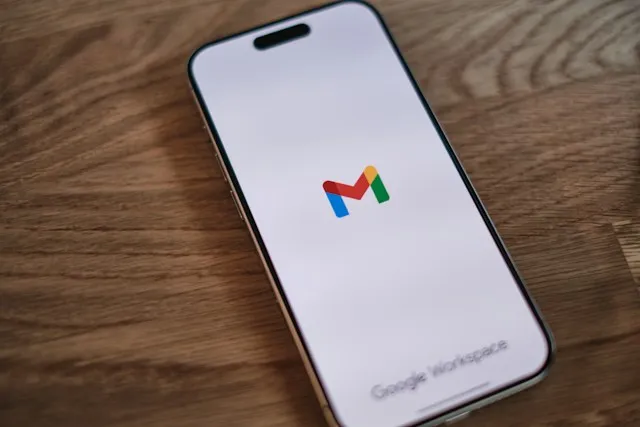
The list of affected apps is specific, not vague. Gmail, Docs, Calendar, and Sheets all run as web apps inside Chrome on Googlebook rather than as their Android counterparts (Android Authority, today). YouTube shows the same pattern: 9to5Google tested both YouTube and YouTube Music independently and found both load their websites instead of launching the Android apps (9to5Google, yesterday).
Android Authority goes further on the technical detail, reporting that YouTube and YouTube Music specifically run as Trusted Web Activities, essentially Chrome-powered wrappers without the normal browser interface (Android Authority, today). 9to5Google didn't classify the apps quite that precisely, but both outlets agree on the core behavior: these media apps open on the web, not natively.
This spans Google's own flagship productivity and media software, not a single isolated app. Keep still running natively on Android Authority's test machine at least proves native Android apps can function on this hardware class. It doesn't settle whether that holds across every Googlebook configuration, or whether Google could extend the same native treatment to Gmail and YouTube if it wanted to.
Googlebook web apps vs Android apps: the browser doesn't help Google's case
Google's reasoning isn't just marketing language. Rahman's explanation to Android Authority was specific: for Docs, Sheets, and Gmail, the company considers the desktop web version genuinely superior after years spent optimizing those apps for laptop browsers (Android Authority, today). That claim checks out in at least one tested scenario. Android Authority downloaded a YouTube video through the Trusted Web Activity, disabled Wi-Fi, then reopened the app, which loaded its downloads page and played the video normally, confirming offline playback works for Premium subscribers even through the web wrapper (Android Authority, today).
Where the argument weakens is the browser doing the hosting. The Verge found that Chrome on Googlebook, despite Google calling it a desktop version of the browser, lacks profile switching, split-view tabs, and custom search-engine shortcuts, features that are standard on Chrome elsewhere (The Verge, yesterday).
Google's "best version" pitch depends entirely on the quality of the browser carrying it. If the Chrome instance hosting these supposedly gold-standard web apps is missing conveniences desktop Chrome users take for granted elsewhere, the justification for steering people away from native apps gets noticeably shakier.
Native Android apps on Googlebook still outperform the web default on touchscreens
Every Googlebook has a touchscreen, and at least one model folds flat into a tablet, hardware choices that treat touch as a real input method rather than an afterthought (Android Authority, today). Android Authority's own testing on a convertible Googlebook found native Android apps considerably easier to control by touch than the Progressive Web Apps and Trusted Web Activities users get by default (Android Authority, today). That creates real tension with Google's touchscreen and convertible pitch for this hardware category, even though nothing in Google's own materials explicitly promises touch as the primary way to use it.
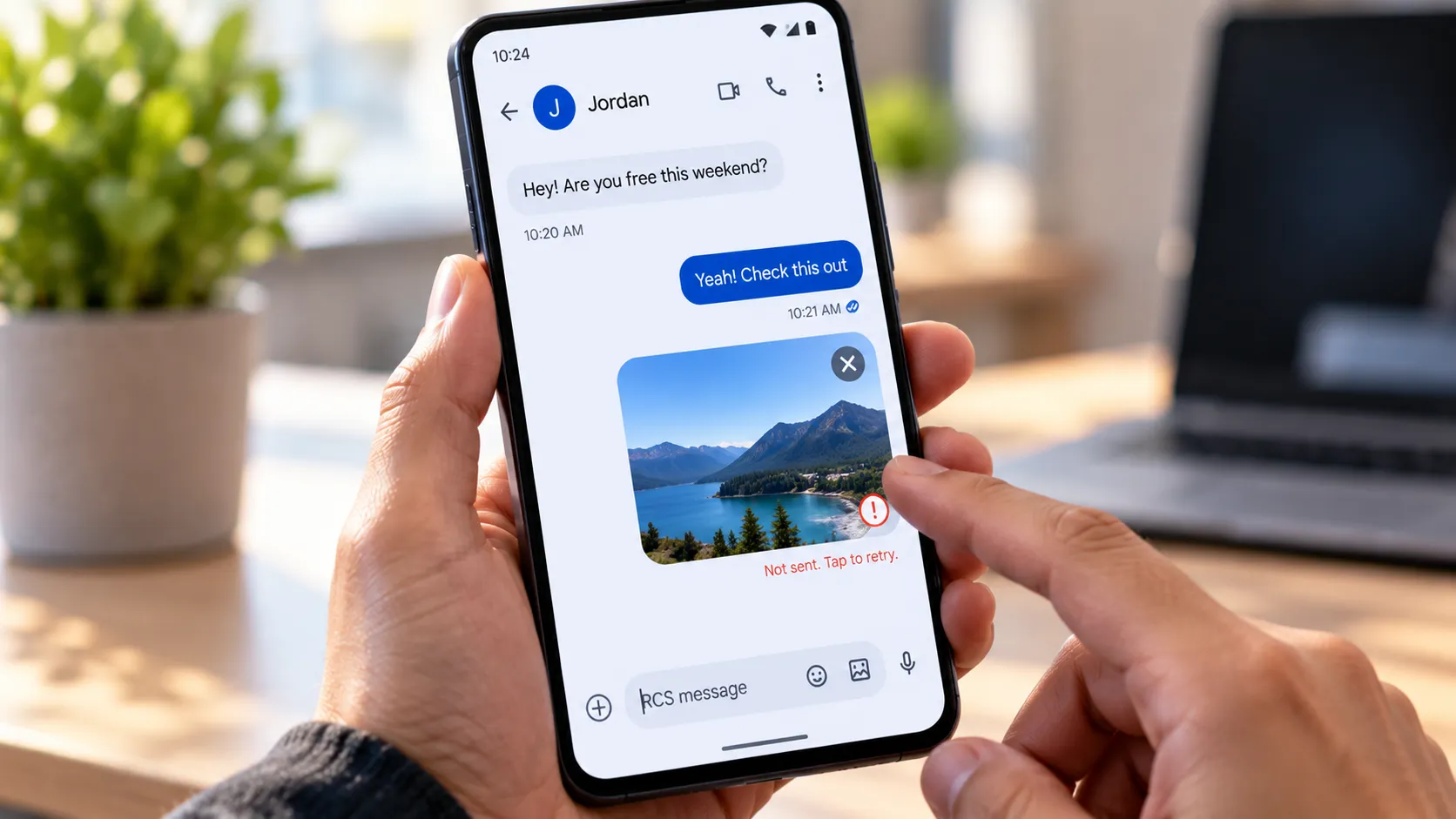
The mismatch isn't theoretical, either. Android Authority found Googlebook owners on Reddit reporting they bought the device expecting Android versions of Gmail, YouTube, and YouTube Music, only to land on web experiences instead (Android Authority, today). It's the predictable result of selling an Android laptop while defaulting its biggest apps away from Android.
There's a fair counterpoint worth taking seriously, though. After spending over a week with Googlebook OS, 9to5Google's reviewer argued that letting individual developers choose between web and Android, rather than Google mandating full feature parity for Workspace apps, is probably the smarter strategy for getting more apps supported on the platform long term, even while admitting full parity would have been the better outcome for users (9to5Google, yesterday). That's a reasonable tradeoff for growing an app ecosystem. It doesn't change what current owners are stuck navigating today on the specific apps Google already controls end to end.
What to check before trusting Googlebook's web-based app experience
The reporting complicates a simple "Android apps are blocked" narrative, though. Android Authority notes that Googlebooks support both web and Android app technologies, the same dual-track approach ChromeOS has used for years (Android Authority, today). Google's own Australian launch materials go further, promising access to millions of Android apps alongside the desktop-class Chrome browser, with many of those apps optimized for large screens, mouse, and keyboard (Google Blog AU, 3 weeks ago).
Neither statement confirms the one thing that actually matters: whether Gmail, Calendar, YouTube, or YouTube Music specifically can be manually installed and run as standalone Android apps instead of the web default. The reporting reviewed here doesn't answer that question either way, and Google hasn't addressed it directly in the materials available so far. That's an open test, not a settled fact, and it's the detail current owners should check on their own hardware rather than assume.
Casting a phone's Android apps to the Googlebook is a documented alternative, and The Verge's reviewer found it mostly functional, with real limits attached. Cast apps can't access the Googlebook's file system or support copy-and-paste with locally installed apps, and some secure apps, including the reviewer's banking and authenticator tools, failed to run at all (The Verge, yesterday).
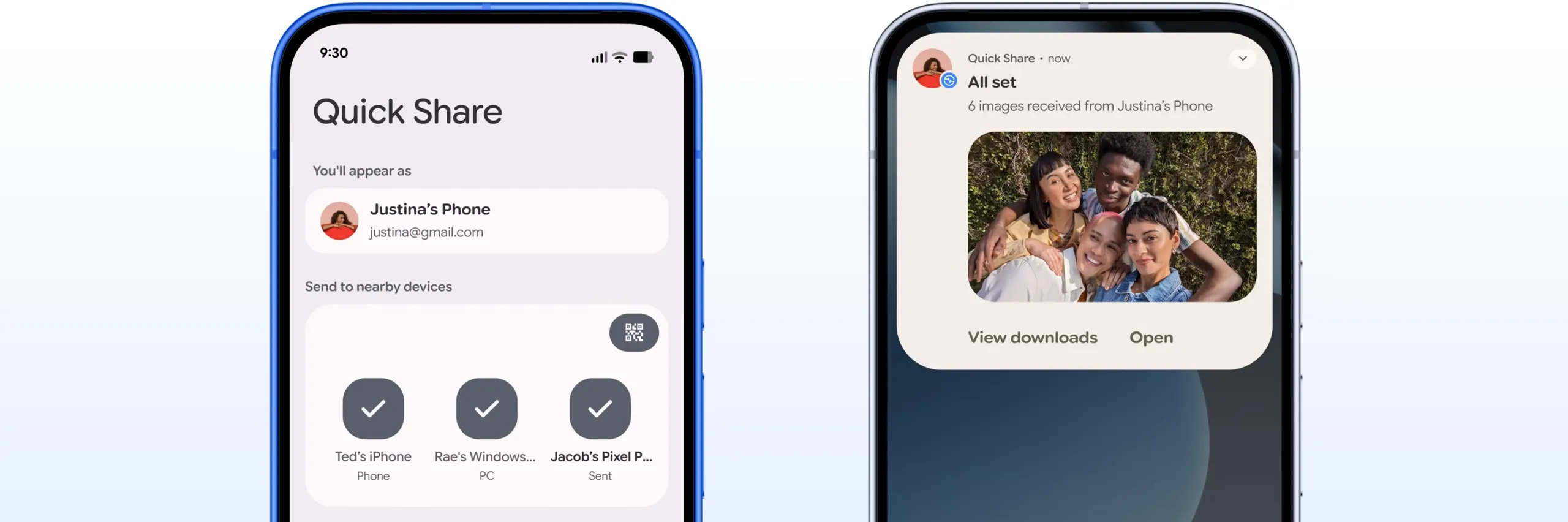
Play Store completeness has gaps too. The Verge's reviewer couldn't install Bluesky or the login tool Okta on either an Intel-based or an Arm-based Googlebook tested, which rules out an architecture-specific fluke but doesn't prove how many other apps carry similar issues (The Verge, yesterday). The same reviewer described unreliable phone pairing too, needing repeated restarts and Wi-Fi resets just to keep a Googlebook connected to a phone for casting and file sharing (The Verge, yesterday). That's one person's experience across specific test devices, not a confirmed pattern across every Googlebook and phone combination, but it's reason enough to verify cross-device features before counting on them.
What Googlebook owners and buyers should do now
Web apps aren't the villain here. Google has a specific, partly verified case for defaulting Gmail, Docs, and Sheets to the desktop web, and for routing YouTube through a web wrapper that still supports offline Premium downloads (Android Authority, today). That case gets weaker on touchscreen hardware where native apps tested better (Android Authority, today), and weaker again when the browser hosting the "best version" is missing features desktop Chrome users expect elsewhere (The Verge, yesterday).
Whether native Android installs of Gmail, Calendar, YouTube, and YouTube Music remain available at all is still unanswered in the reporting reviewed here. That's the detail worth treating cautiously on a device sold around Android flexibility.
If a Googlebook is already on the desk, open the Play Store and try installing the standalone Android versions of the apps relied on most, then test them specifically in touch or tablet mode before trusting the web defaults for daily work. If one is still on the shopping list, confirm the must-have apps install and behave well in the input mode expected, and don't assume casting from a phone will cover any gaps given the documented file-access and copy-paste limits. Treat phone-pairing and file-sharing claims as something to verify on the specific hardware in hand, not something to take on faith before buying.


Comments
Be the first, drop a comment!