





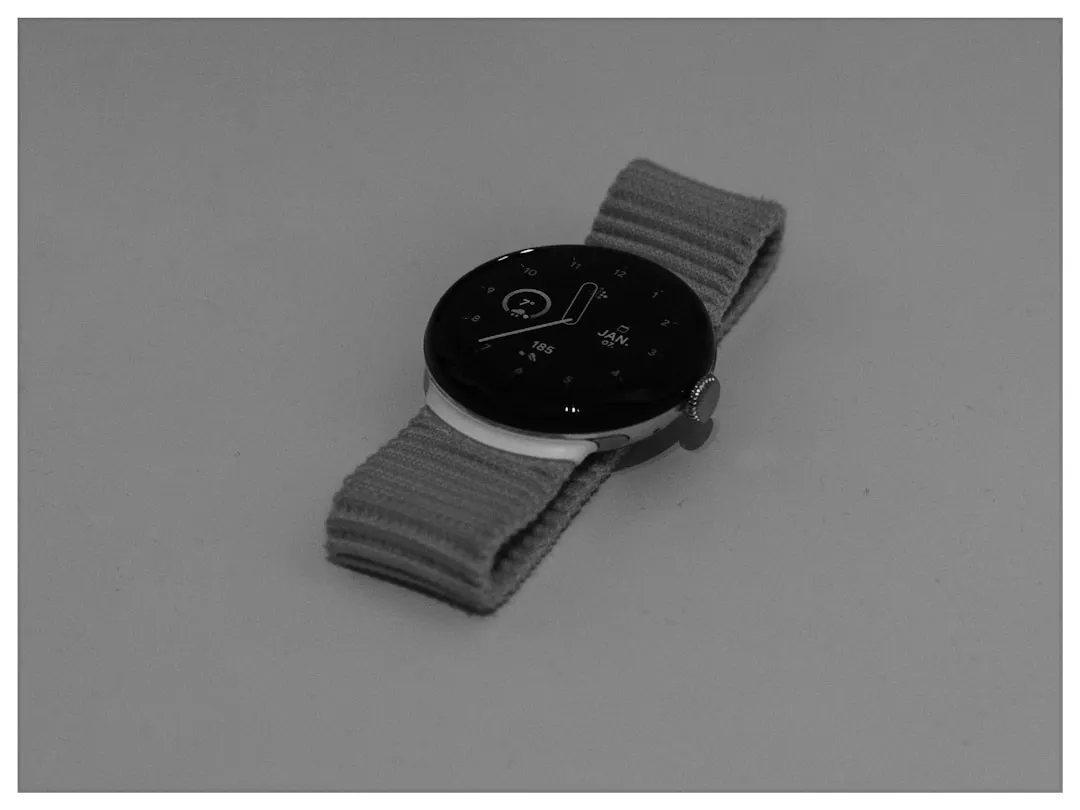
The original Pixel Watch just received what might be its most puzzling update yet. After officially reaching the end of its three-year support cycle in October 2025, Google's inaugural smartwatch unexpectedly got another software patch in March 2026—and it's causing more problems than it's solving.
The March 2026 update has introduced significant problems for Pixel Watch owners, with blood oxygen monitoring and skin temperature tracking mysteriously vanishing from devices across all generations after installing the latest build, according to Android Police. Users are flooding Reddit and Google Support forums with complaints about blank spaces where their vital health metrics used to appear in the Fitbit app. What's particularly telling is that these problems appear exclusively tied to the latest March build—devices running older software continue tracking these metrics without any issues.
Why this post-support update changes everything
This unexpected March 2026 update fundamentally challenges how we think about device lifecycle management in the wearable space. The original Pixel Watch officially completed its support journey in October 2025 with build BW1A.251005.003.W1, as confirmed by Android Authority. That October release was designed as the farewell patch—just minor security fixes and bug patches to send the 2022 device into retirement gracefully.
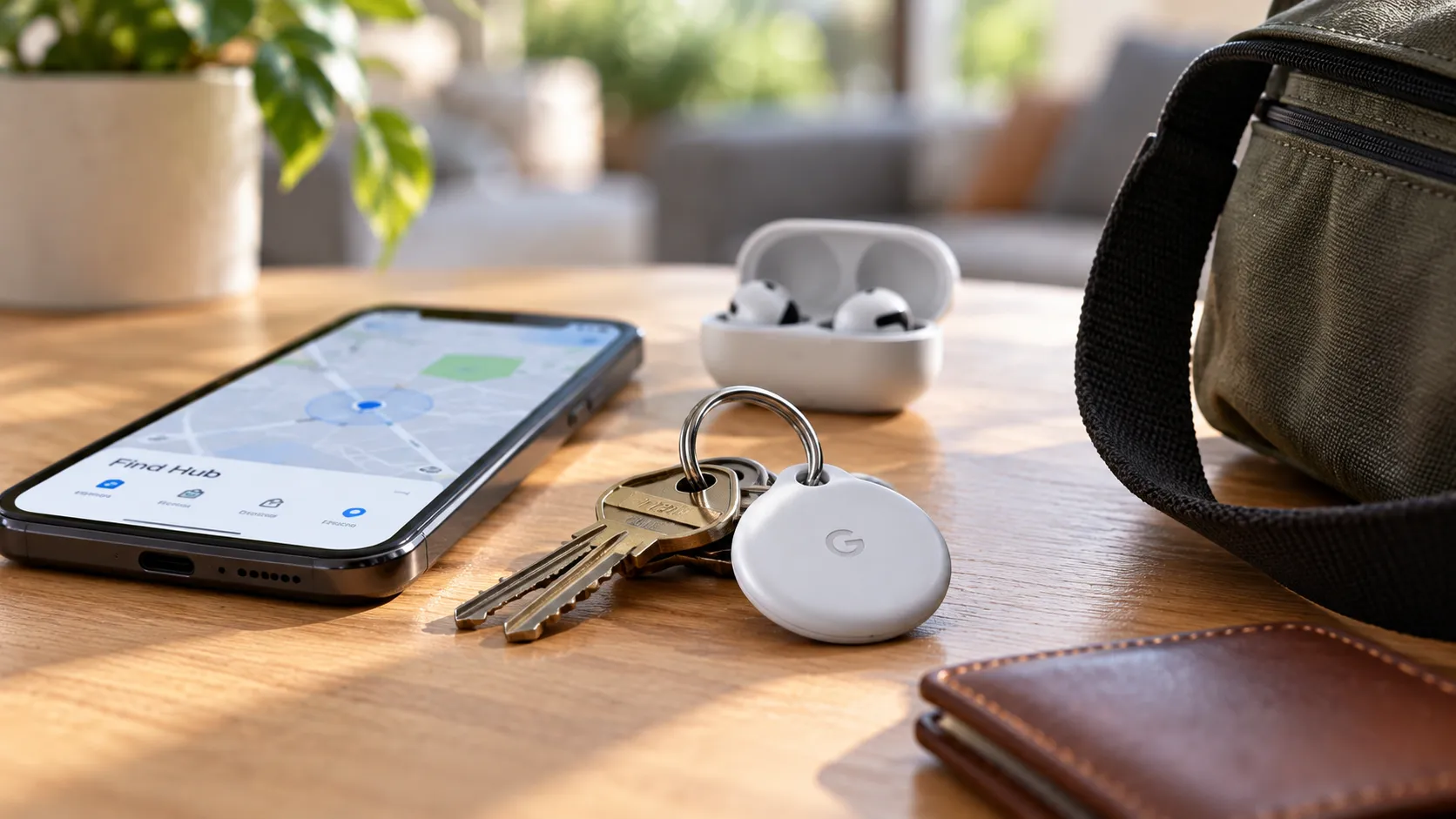
Yet here we are five months later, with Google pushing out another update that ironically breaks fundamental health tracking features. The timing isn't coincidental—it aligns perfectly with Google's broader March 2026 Feature Drop for newer Pixel Watch models. While the Pixel Watch 3 and newer devices received substantial improvements like Find Hub integration, expanded gesture controls, and streamlined Express Pay functionality, according to Wareable, the original watch became collateral damage in a system-wide update process.
This situation reveals a critical gap in post-support device management that extends far beyond just Pixel Watch users. When devices fall outside regular support cycles, they may still receive updates due to shared system components or security requirements, but without the rigorous testing that active devices receive. For original Pixel Watch owners who have meticulously built three years of health data—sleep patterns, heart rate trends, fitness achievements—this update threatens to disrupt the very continuity that makes long-term health tracking valuable.
The implications reach into broader questions about digital health data ownership and reliability. When a company like Google pushes updates that break core health features on devices users have trusted with years of personal data, it highlights how dependent we've become on corporate infrastructure for managing our most intimate information.
The health data disruption that users can't afford
The health tracking failures represent more than technical glitches—they're disrupting years of carefully accumulated wellness data that many users rely on for managing chronic conditions or tracking fitness progress. Multiple users report complete SpO2 reading disappearances after installing the March update, with additional cascading problems including doubled calorie tracking and accelerated battery drain, as documented by Android Police. One user specifically noted that "calories burnt seems to have doubled and the battery seems to be worse," indicating systemic sensor coordination problems rather than isolated component failures.
What makes this particularly devastating for original Pixel Watch users is the timing—these are people who've weathered three years of the device's known limitations precisely because they valued the health tracking continuity. They've lived with chunky bezels, the aging Exynos 9110 processor's sluggish performance, and shorter battery life compared to competitors, all while building comprehensive health profiles that inform daily decisions about sleep, exercise, and wellness routines.
The issue affects all Pixel Watch generations differently, creating a fragmented user experience. Original Pixel Watch users lose blood oxygen readings (their devices lack skin temperature sensors), while newer model owners lose both metrics. This inconsistent impact suggests the March update introduced fundamental changes to health sensor APIs or data processing pipelines that weren't properly tested across the entire device ecosystem.
For users managing conditions like sleep apnea, where SpO2 monitoring provides crucial overnight insights, or athletes tracking recovery metrics through skin temperature variations, these aren't just missing data points—they're gaps in health management strategies that took years to establish and calibrate.
Practical solutions for stranded users
While Google hasn't released an official hotfix—and given the device's post-support status, may never do so—several community-identified workarounds have restored functionality for determined users. The most effective approach involves setting up the Pixel Watch as a new device in the Fitbit app, according to Android Police. This method has successfully restored health tracking for many users, though it requires accepting the loss of locally stored historical data and reconfiguring all personal preferences from scratch.
For users willing to take more dramatic steps, factory resetting the watch has proven reliable, but this nuclear option means losing everything accumulated over three years—custom workout routines, personalized watch faces, app configurations, and any data not synced to Google's cloud services. It's essentially starting fresh with a three-year-old device that was supposed to seamlessly continue tracking your established patterns.
A less destructive option involves clearing the Fitbit app's cache through Android's app settings (Settings > Apps > All apps > Fitbit > Storage and cache > Clear cache). This approach preserves most user data while potentially resolving communication protocols between the watch and smartphone app that may have been corrupted during the March update installation.
These community-driven solutions highlight a crucial reality for original Pixel Watch owners: you're increasingly operating in an unsupported ecosystem where peer knowledge becomes more valuable than official channels. The post-support landscape requires users to become more technically self-sufficient, documenting what works and sharing solutions through forums and social media rather than relying on manufacturer support pages.
The success of these workarounds also suggests that the underlying health tracking hardware remains functional—the problems appear rooted in software configuration and data pipeline issues rather than sensor failures, which offers hope for community-based long-term solutions.
What this precedent means for wearable longevity
This March 2026 update establishes a concerning precedent about the unpredictability of post-support device maintenance across the wearable industry. Google's decision to push updates months after official support ended suggests that device interdependencies in modern ecosystems make clean support cutoffs nearly impossible. When system-wide updates affect shared components—health APIs, security protocols, or communication standards—older devices can become unintended casualties even after their support windows close.
This reality is particularly problematic for health-focused wearables, where data continuity is often more valuable than cutting-edge features. Original Pixel Watch owners invested in Google's ecosystem specifically for the promise of integrated health tracking with Fitbit services, building routines and baselines that inform daily wellness decisions. The March update's disruption of these established patterns represents a breakdown in the implicit contract between users and the platform.
Looking ahead, this situation foreshadows challenges that Pixel Watch 2 owners will face when their support ends in October 2026, as outlined by Droid Life. Will they face similar disruptions when system-wide updates affect post-support devices? How can users protect years of accumulated health data when corporate update policies create unpredictable disruptions?
For current original Pixel Watch users, this experience underscores the importance of developing exit strategies while devices still function reliably. The Pixel Watch 3 and 4 offer significantly improved performance, better battery life, advanced health sensors, and years of remaining support, as noted by Android Authority. More importantly, they provide an opportunity to migrate health data while current devices still sync properly with Google's services.
The broader lesson extends beyond individual upgrade decisions to fundamental questions about digital health data portability and user agency. As our wearable devices accumulate years of intimate personal data, the transition between supported and unsupported status becomes a critical moment that can either preserve or fragment our digital health histories. This March 2026 update serves as a wake-up call that end-of-support doesn't mean end-of-consequences—it might actually mark the beginning of a more unpredictable and potentially disruptive relationship with our most personal technology.






Comments
Be the first, drop a comment!