





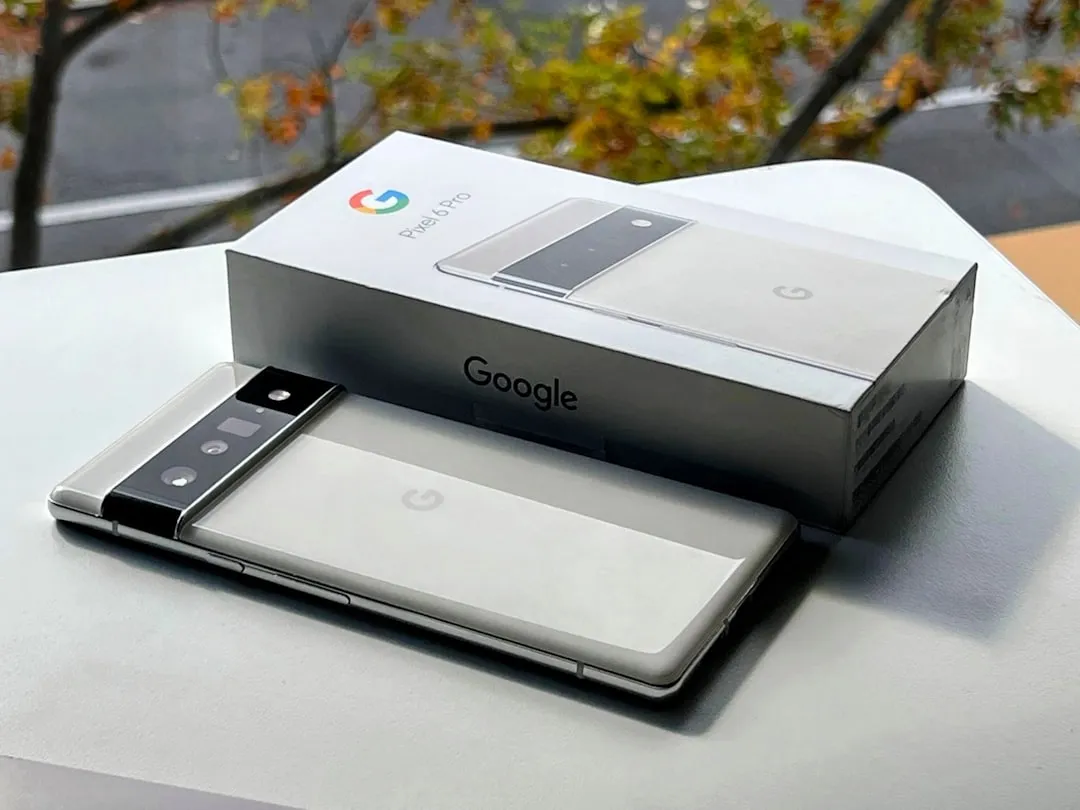
A leak reported by PhoneArena claims Google's next major Linux kernel upgrade will cover the Pixel 7 through Pixel 10 but skip the Pixel 6. The source, Mystic Leaks, carries explicit reliability caveats, and Google hasn't confirmed anything. But the underlying situation is real regardless of whether this specific leak is right: the Pixel 6 Android kernel upgrade story has a clear structural endpoint, and software support for the device ends in October 2026.
Android 17 will be the Pixel 6's last major OS update. If Google does push the next kernel branch to newer Pixels, the Pixel 6 would be left behind. Understanding what that actually means requires knowing what the device has already received.
The upgrade the Pixel 6 already got
Google rolled out Linux kernel 6.1 to the entire Tensor-powered Pixel lineup in the March 2025 stable update. That single update covered the Pixel 6, 7, and 8 families, the Pixel Tablet, and the Pixel Fold, aligning all of them with the Pixel 9 series, which had already shipped with 6.1.
The scope of that work is easy to underestimate. The Pixel 6, Pixel 6 Pro, Pixel 6a, Pixel 7, Pixel 7 Pro, Pixel 7a, and Pixel Fold all jumped from Linux 5.10 to 6.1, while the Pixel 8, Pixel 8 Pro, and Pixel 8a moved from 5.15 to 6.1. Those aren't adjacent versions. Skipping an intermediate branch to land older hardware on a unified kernel is not routine maintenance it's the kind of work that typically doesn't happen at all on shipping Android phones. Android Authority had flagged as far back as early 2024 that major kernel jumps on released Android phones are rare, before the upgrade actually materialized. Google did it anyway, and included the Pixel 6.
What motivated the move mattered too. A common kernel foundation makes future OS updates and security patches easier to maintain across the whole lineup. Bringing a 2021 phone to the same kernel version as a 2024 phone isn't standard practice; it reflected a deliberate investment in platform coherence that ran longer than the Pixel 6's generation would normally warrant.
That history is what makes a future exclusion notable. The question isn't whether Google is obligated to repeat the process. It isn't. The question is whether the Pixel 6 stays on the same platform modernization track as its successors, and the documented support timeline now suggests it won't.
Where the Pixel 6 Android kernel upgrade path ends
The next step beyond Linux 6.1 in Google's ecosystem would involve the android15-6.6 branch. The Android Open Source Project introduced android15-6.6 alongside Android 15, and made one structural change that closes off the obvious alternative: starting with Android 15, there is only one new GKI kernel per kernel version. There is no android15-6.1. For an Android 15-era move from android14-6.1, the obvious GKI destination is android15-6.6.
That's the branch the leaked upgrade would presumably deliver to the Pixel 7 through Pixel 10. The Pixel 9 series, already on Linux 6.1, would be a natural candidate for the same jump. The Pixel 6, if the leak holds, would remain on android14-6.1.
Being precise about what that means is worth the effort. The AOSP documentation confirms android14-6.1 is compatible with Android 15 devices for both launch and upgrade, meaning a device on that branch can still receive OS updates and security patches through its remaining support window.
The Pixel 6 is not losing its last few months of coverage because of a kernel branch decision. But it would diverge from the rest of the active Tensor lineup, and that divergence doesn't narrow. Once the Pixel 7 and above move to android15-6.6, the Pixel 6 sits one branch behind not unsupported, but no longer part of the conversation about where the platform is heading.
There's also a timing dimension that makes the engineering math straightforward. A kernel migration requires porting device drivers, validating hardware compatibility, and testing across a full release cycle. For a phone with four months of support remaining, that investment would pay off for almost no one. The Pixel 6's exclusion, if confirmed, would be less a decision about this phone specifically than a reflection of how support timelines and engineering resources interact near the end of a device's life.
What Pixel 6 software support end actually means for owners
Google's support window runs for five years from the Pixel 6's first U.S. Google Store availability, placing the endpoint in October 2026. Android 17 still arrives as the final major OS update. The phone stays on Linux 6.1, the same kernel branch it shares today with every other Tensor-powered Pixel. None of that changes based on which branch Google targets next.
What may not arrive is the performance and security hardening that would come with a move to android15-6.6. When Android Authority covered the March 2025 upgrade, it noted the update was likely to improve security posture and performance. User reports bore that out. A Pixel 6a owner on the Pixel subreddit described the phone as "extremely responsive compared to pre-March update," while others noted what they perceived as battery improvements, Android Authority reported. Anecdotal, not benchmarks, but consistent across multiple accounts. Owners of the Pixel 7 and above may see a comparable uplift from the next round. Pixel 6 owners almost certainly won't.
The broader context is about support eras rather than individual decisions. The Pixel 6 launched in 2021 under a five-year support policy, which was standard for that period. Google shifted to seven-year major OS support with the Pixel 8 series in 2023, a commitment later adopted by Samsung and Honor. Devices under that longer window are unlikely to face the same kind of pre-cutoff engineering wind-down, because the kernel roadmap and the support calendar are built to stay aligned across a much longer horizon. The Pixel 8 and everything after it sit comfortably inside that era. The Pixel 6 sits just outside it. The Pixel 7 series still has about a year of support left, but it will eventually face the same generational boundary.
For owners who want to confirm where their device currently stands, go to Settings → About phone → Android version → Kernel version, as Android Authority noted when the March 2025 update rolled out. A reading of 6.1.99 confirms the phone received last year's upgrade and shares a kernel foundation with the rest of the Tensor lineup, for now.
What to watch for next
Google hasn't confirmed a new kernel upgrade for any Pixel device, and there's no timeline for when one might arrive. The Mystic Leaks report remains unverified.
If an upgrade does materialize for the Pixel 7 through Pixel 10 and the Pixel 6 is absent, the device list will confirm what the support timeline already implies: the March 2025 kernel migration was this phone's last significant platform update. It arrived through an upgrade that Android Authority had flagged as rare even before it happened, landing a 2021 phone on a unified kernel version alongside devices two generations newer. That was a better send-off than most phones of its era received.
Staying on android14-6.1 while successors move to android15-6.6 is simply where the investment stops making sense for a device months from the end of support. Android 17 is the Pixel 6's final major OS update.
Security patches and Android 17 still arrive on schedule. The phone still works. What ends is Google's engineering attention, slightly ahead of the formal cutoff and for an upgrade cycle that delivered as much as this one did, that's not an alarm. It's a calendar.





Comments
Be the first, drop a comment!