



Pixel 11 Launch Event: Bold AI Claims Still Need Proof
Google closed its Pixel 11 launch event in New York on August 12 the way it opened: with Trevor Noah on stage. Near the end, Rick Osterloh, Google's hardware chief, joined him, apparently to wrap things up, after a lineup expected to include Alex Cooper, Steph Curry, PinkPantheress and Ayami Nakajo, according to Engadget's live coverage of the show. It made for solid television. It made for a thinner night of proof.
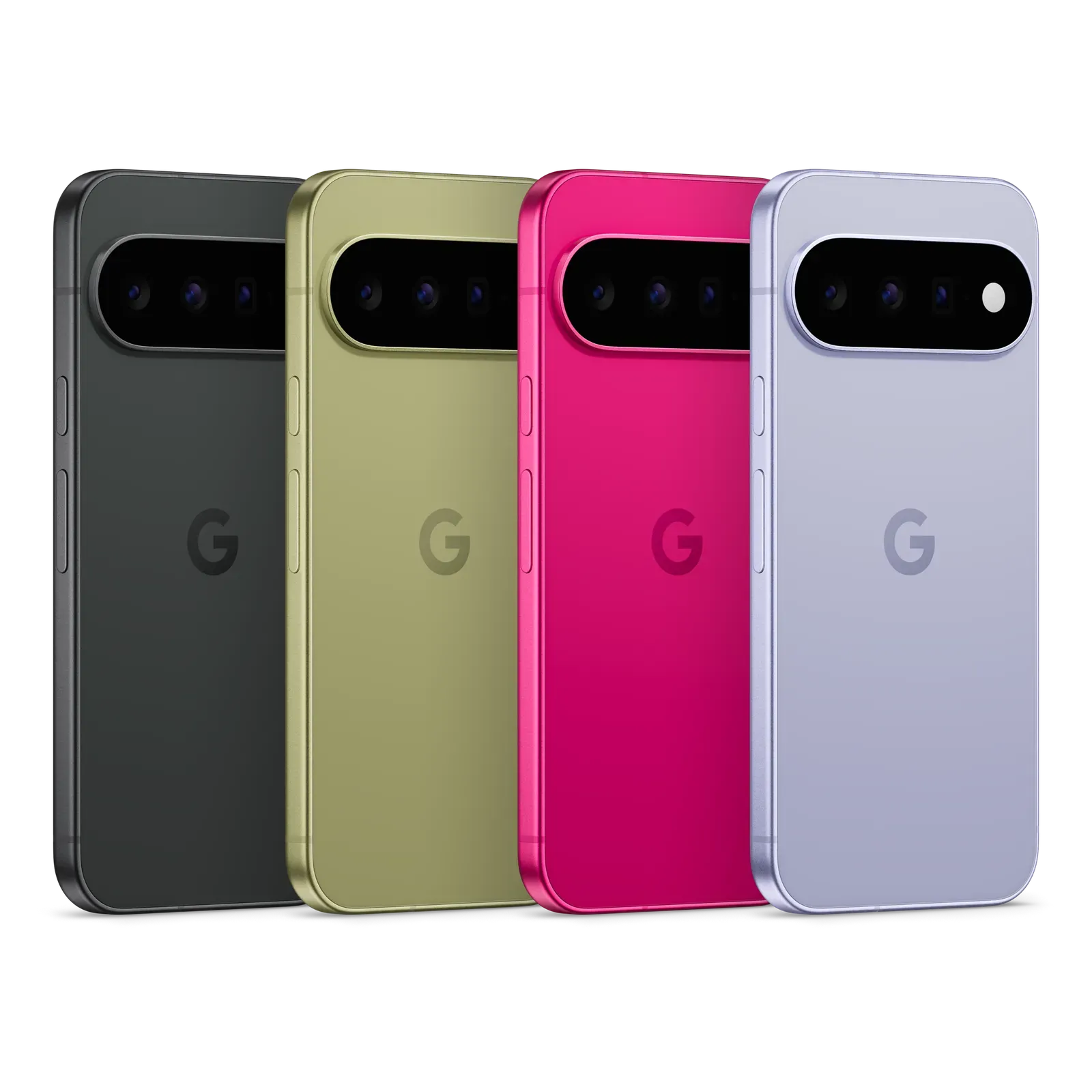
That distinction matters because the actual pitch behind the Google Pixel 11 launch is enormous. Google describes the phones as "designed for Gemini Intelligence," built on a Tensor G6 chip the company says processes on-device AI tasks up to 3.5 times faster, wrapped around a camera system anchored by a new 48-megapixel main sensor (Google Blog, today). That's arguably the most ambitious AI bet Google has made on a phone. Ambition of that size deserves demonstration, not just applause lines.
A quick definition is worth setting before going further. "The GTA 6 route" doesn't mean silence or scarcity for its own sake. It means sequenced, product-led proof, each reveal built to demonstrate one specific claim, the way Rockstar Games eventually explained GTA 5 piece by piece through trailers, written breakdowns and gameplay walkthroughs before its 2013 release (Polygon, last month). There's no audience data showing the Pixel 11 event was widely seen as cringeworthy; that judgment belongs to this writer, based on how specific claims were handled on stage, not a documented consensus. What follows examines three things Google announced that needed demonstration rather than banter, plus what a more disciplined rollout would actually have required.
What "the GTA 6 route" really means for a Pixel 11 launch event
Rockstar hasn't been quiet about GTA 6. Since the game's 2023 reveal, the studio has released two trailers, a wave of screenshots and official box art. But as of last month, Polygon noted the studio had shown no real gameplay and said little about how the game differs from its predecessor, an unusually thin campaign for one of the most anticipated releases in gaming history (Polygon, last month).
Take-Two CEO Strauss Zelnick said three months ago that full-force marketing wouldn't ramp up until summer 2026, a window that has now arrived, even with a November 19 release date locked in well ahead of it (Polygon, three months ago). That patience is the "wait" half of Rockstar's approach. It isn't the demonstrable model itself.
The template worth borrowing sits later in the calendar, in how GTA 5 was actually rolled out: a three-part protagonist trailer, then detailed official write-ups, then narrated gameplay trailers arriving in deliberate sequence over several months before launch, each one doing a single explanatory job (Polygon, last month). A phone with a fixed August 20 retail date and annual competitors doesn't have years to drip-feed reveals the way a once-a-decade game does (Google Blog, today), and that disanalogy is worth conceding upfront. The transferable lesson isn't patience. It's sequencing each claim to a proof point, which is exactly what a single celebrity-hosted evening isn't built to do.
The claim that most needed proof: help without a clear process
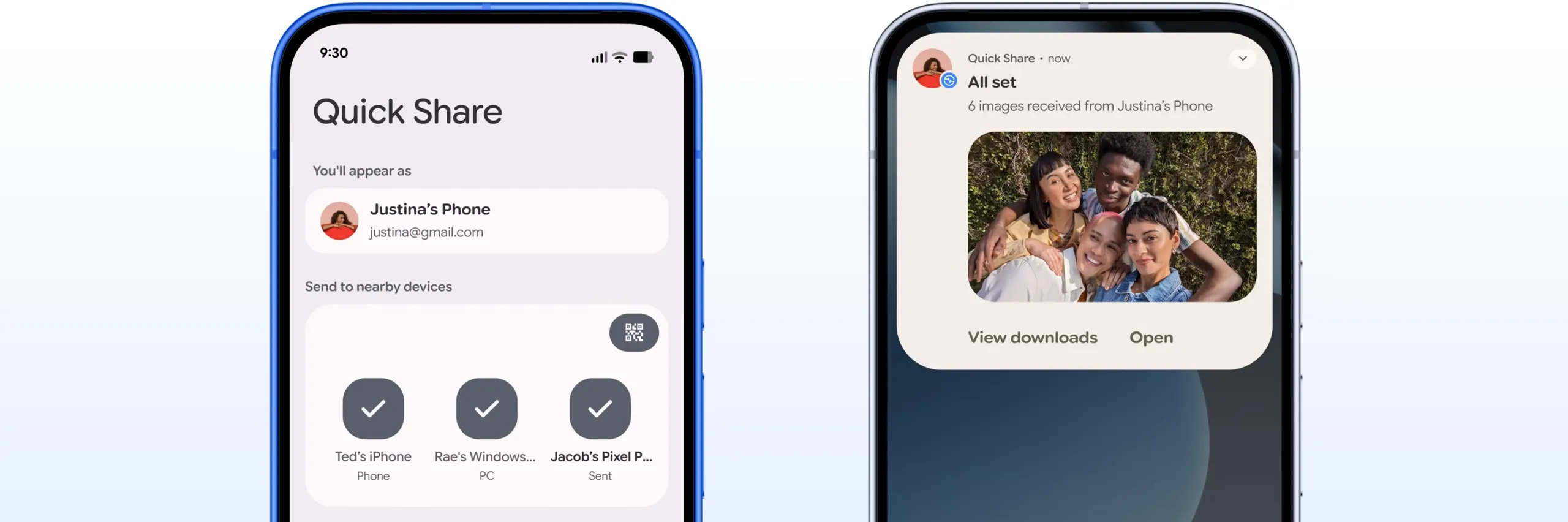
Google's most consequential claim also got the least explanation. The company's own language describes proactive suggestions, not autonomous action: Gemini offers "a proactive prompt suggestion to lock down your reservation with just a tap," the same pattern extending to saving events to Calendar, locations to Maps, or membership numbers to Wallet across more than 40 apps (Google Blog, today).
A new feature called Preview will surface location-based insights directly on the lock screen, showing menu highlights while a user waits for a table, for instance (Google Blog, today). What's missing is everything that happens between the suggestion and the tap.
Even coverage sympathetic to the event flagged this gap. Google asserted its AI has "the most privacy protection," and Engadget's own live reporting noted there was no clear metric behind that statement (Engadget, yesterday). A consequential claim got a line instead of an explanation.
Real proof needs answers to a shorter, sharper list of questions. What permissions does Gemini request before it can act on Calendar, Maps or Wallet data? What does the interface show when it suggests the wrong reservation or the wrong contact, and how does a user correct it before something is locked in? Is the location data behind Preview processed on-device or sent to Google's servers, and can that inference be seen or deleted afterward? None of that surfaced in the launch materials or the accompanying blog posts, and it's the exact detail an agent-phone pitch needs to earn trust rather than applause.
A feature that was easy to prove, and shared the bill anyway
Sign-to-text was the feature most primed to prove itself. It uses Google DeepMind's Sign Language-to-Text model, letting signers communicate naturally through the phone's camera, and Google brought actor Daniel Durant on stage for a live demonstration (Google Blog, today; IGN, yesterday).
It's the rare AI claim that's genuinely hard to fake and quick to verify. A two-way exchange with a deaf signer either works in real time in front of a live audience, or it visibly doesn't. That made it stronger proof material than almost anything else on stage that night, and it deserved more room than one demo can carry inside an evening that also featured Alex Cooper, Steph Curry, PinkPantheress, Ayami Nakajo, and football clubs joining "#TeamPixel" (Engadget, yesterday).
A second accessibility feature, Rambler, is designed to clean up voice transcription even through filler words like "um" and "ah" (Google Blog, today). Both features carry obvious, demonstrable value. Both would have benefited from more space than a single entertainment-driven evening had to give them.
A hardware claim that needed a side-by-side, not a slide
Camera claims are where product demos matter most, because an audience can judge them instantly. Google says Pro models now support 120x Pro Zoom, powered by Tensor G6 and updated imaging models, along with Night Sight that captures up to 4.5 times faster at the same quality (Google Blog, today).
These are visual, testable claims, the kind that either hold up next to a rival's shot in real time or don't. A two-minute live comparison on stage would have settled more than a keynote paragraph.
Engadget noted it had already run that comparison itself, pitting Pixel 11 against the Galaxy S26 Ultra and Galaxy Z Fold 8 in its own coverage (Engadget, yesterday). The comparison Google skipped on stage happened anyway. Google simply isn't the one controlling how it's framed.
What proof would have actually looked like
None of this requires Google to disappear for a year like Rockstar has. It requires three concrete things, each doing one job, the way GTA 5's later rollout did.
- A recorded, reproducible Gemini task that shows the consent screen and the failure path, not just the happy-path outcome.
- An extended live sign-to-text exchange, run long enough to show its limitations alongside its strengths.
- Downloadable camera samples at 30x and 120x zoom, placed in a controlled side-by-side against competing phones rather than described in a slide.
That's a standard any phone launch could meet without years of runway, and it's the standard this one skipped.
The verdict
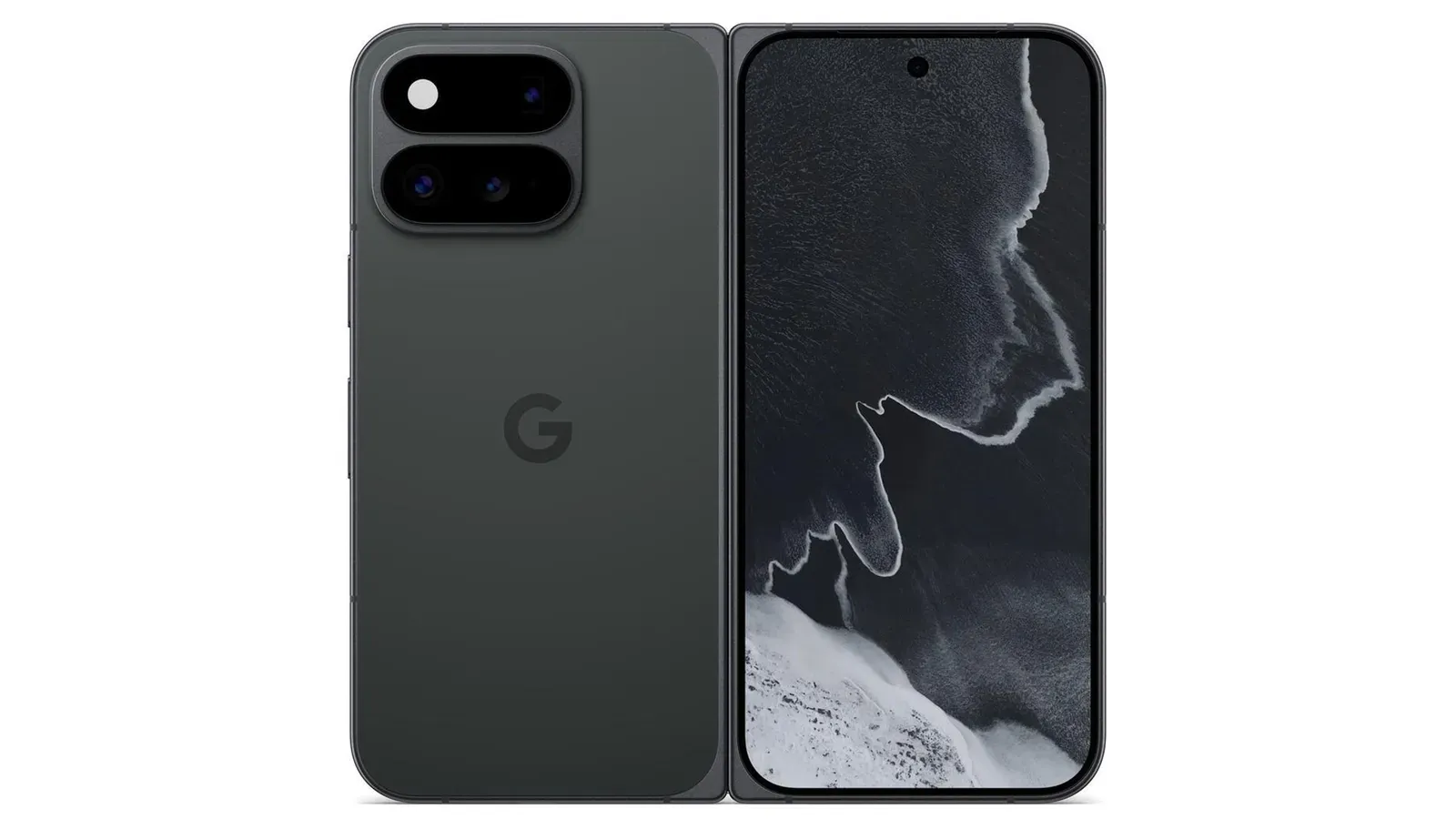
Pricing scales with that ambition. The standard Pixel 11 starts at $899, the Pro at $1,099, and the Pixel 11 Pro Fold at $1,899, according to event coverage (IGN, yesterday). That range gives buyers more to weigh, and more reason to expect evidence before committing to it.
A launch presentation can't establish reliability by itself, no matter how well produced. But Google still has until phones ship next week on August 20 to do that work, through documentation, review access and tests anyone can repeat. That's the proof the Google Pixel 11 Series unveiling skipped, and it's still the standard that should decide whether the phone earns its price.



Comments
Be the first, drop a comment!