






Google's I/O 2026 countdown isn't a static timer. It's a suite of five browser-based games built with Gemini, with all the source code published in Google AI Studio for anyone to inspect, modify, and fork. The games are live now, and the conference opens May 19 at Shoreline Amphitheatre in Mountain View.
One thing worth clarifying before going further: the Google I/O 2026 countdown invites visitors to "play, create and remix" a playground of Gemini-powered experiences. Remixing means building your own version in AI Studio. It doesn't mean influencing what appears on Google's live countdown page. The available reporting describes no pathway through which a user-built fork surfaces on the official experience. That's a narrower offer than the framing implies, but it's still a substantive one.
What the Google I/O 2026 countdown actually contains
Five games, five different Gemini use cases. Google's internal concept, "Make Build Unlock," was designed to work for casual players and hands-on developers simultaneously, according to marketing manager Kacey Fahey, who described it as welcoming "audiences of any technical level."
Gemini's role varies meaningfully across the five games rather than repeating the same trick in different packaging. In "Hole in One," a mini-golf game, the model generates real-time coaching tips from an AI caddy that respond to each specific shot. In "Nonogram," a logic puzzle, the first level is fixed, but levels two and three are generated fresh by Gemini on every playthrough. "Supersonic Bot," a side-scrolling runner, uses voice volume as the control input. The louder you speak, the higher the Android Bot flies. Gemini was used to brainstorm and prototype that mechanic during development, the Google Blog noted two months ago.
Complete all five and you unlock "Dino Pal," a Chrome Dino whose personality traits Gemini assigns based on how you played. Each version of the character is distinct. Developer Caio Avelar put the goal plainly: "By providing a diverse range of games, we can demonstrate how AI is a powerful toolkit for modern builders."
What "remixing" the countdown means in practice
Access is through Google AI Studio, where all five games are available with their underlying code exposed. Fahey's stated intent is for developers to "make them their own and even share online" to inspect the logic, change the Gemini prompts, swap visual assets, or build something new from the structure, per the Google Blog.
Participation has three practical tiers: play the games as shipped on the save-the-date page; open them in AI Studio and modify the code; or fork the project and publish your own version independently. The available materials don't specify whether an AI Studio login is required to access the code, or whether remixes can be published directly through Google's platform versus a third-party host. What's clear is that the underlying code is open to read and modify. Changes to Google's live countdown page itself are not part of the offer.
The build process Google used is part of the pitch. The team started prototyping in AI Studio, then moved more complex ideas into Google Antigravity as production demands grew. Avelar noted that much of the Gemini-generated code was directly usable in production, according to the Google Blog. That claim is Google's own and hasn't been independently verified, but the workflow it describes, a prototype with AI, refined for production, is the same one the open code is now inviting developers to try.
Why this is the second year running
Google has run a Gemini-powered save-the-date puzzle for two consecutive years, and the 2026 version is a meaningful step up from the last.
Last year's puzzle asked players to manipulate laser beams through prisms and mirrors to illuminate hidden tiles. The Gemini integration was real. The API generated a unique riddle for each player to locate a hidden tile, but invisible to the user. The team said at the time they hoped it would "inspire more people to explore the possibilities of building with Gemini," per the Google Blog.
The 2026 version makes the machinery visible. Moving from a hidden integration to an open one that developers can read, run, and modify is a different proposition. Whether Google designed it deliberately as a developer onboarding exercise or simply as a more ambitious version of an existing tradition, the practical effect is the same: developers who engage with the open code will arrive at I/O already familiar with how Gemini integrates into browser-based applications.
That matters because Gemini is woven throughout the conference sessions. A dedicated AI track covering multimodal model capabilities, media generation, and robotics is scheduled to start at 3:30 p.m. PT on May 19, immediately after the developer keynote.
What's at I/O on May 19 and how to watch
The Google Keynote runs 10:00 a.m. to 11:45 a.m. PT on May 19, followed by the Developer Keynote from 1:30 p.m. to 2:45 p.m. PT. Sessions begin after that, with the AI track at 3:30 p.m. and an Android 17 session running approximately 45 minutes, according to Yahoo Tech. The full two-day event streams live at io.google.
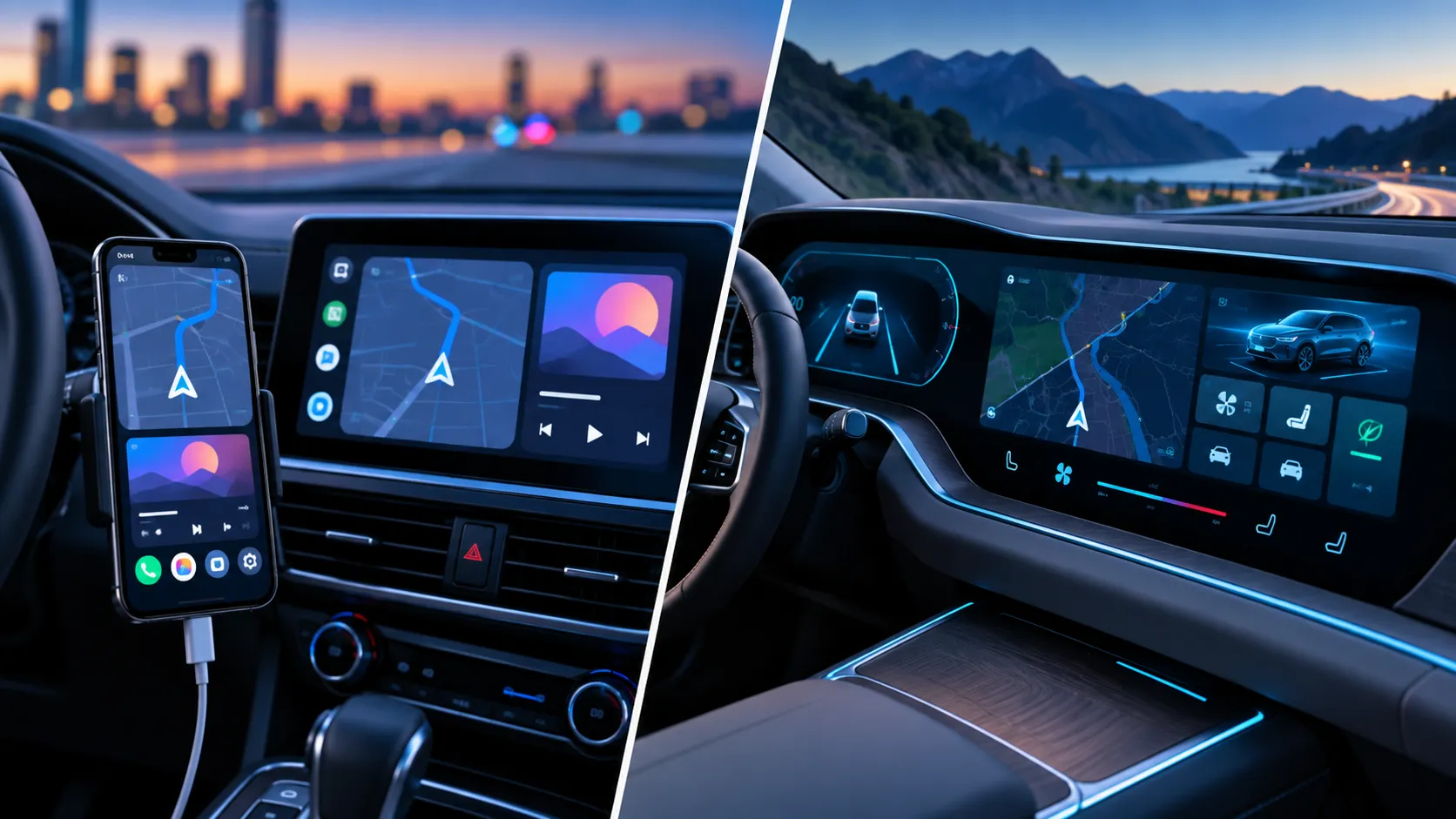
Android 17 is expected to be a major thread throughout both days. The sessions list describes an "Adaptive Everywhere" approach where users move fluidly between phones, cars, living rooms, and immersive environments, bringing Android, ChromeOS, and XR into a single ecosystem. Attendance at Shoreline follows a lottery or invitation system, so registration doesn't guarantee an in-person spot. The livestream is open to everyone.
Where to start before the keynote
The save-the-date games are playable now from the I/O save-the-date page. To go further, the source code for all five games is in Google AI Studio. Google's stated position is that whatever developers build from the open code is theirs to share, though the specifics of the publishing pathway aren't detailed in the available materials.
Eighteen days until the keynote. The countdown games cover the same capability categories as dynamic content generation, real-time contextual responses, and adaptive personalization that the conference AI track is set to address on May 19. Playing them first costs nothing. Building something from them costs a little more time, which is probably the point.




Comments
Be the first, drop a comment!