





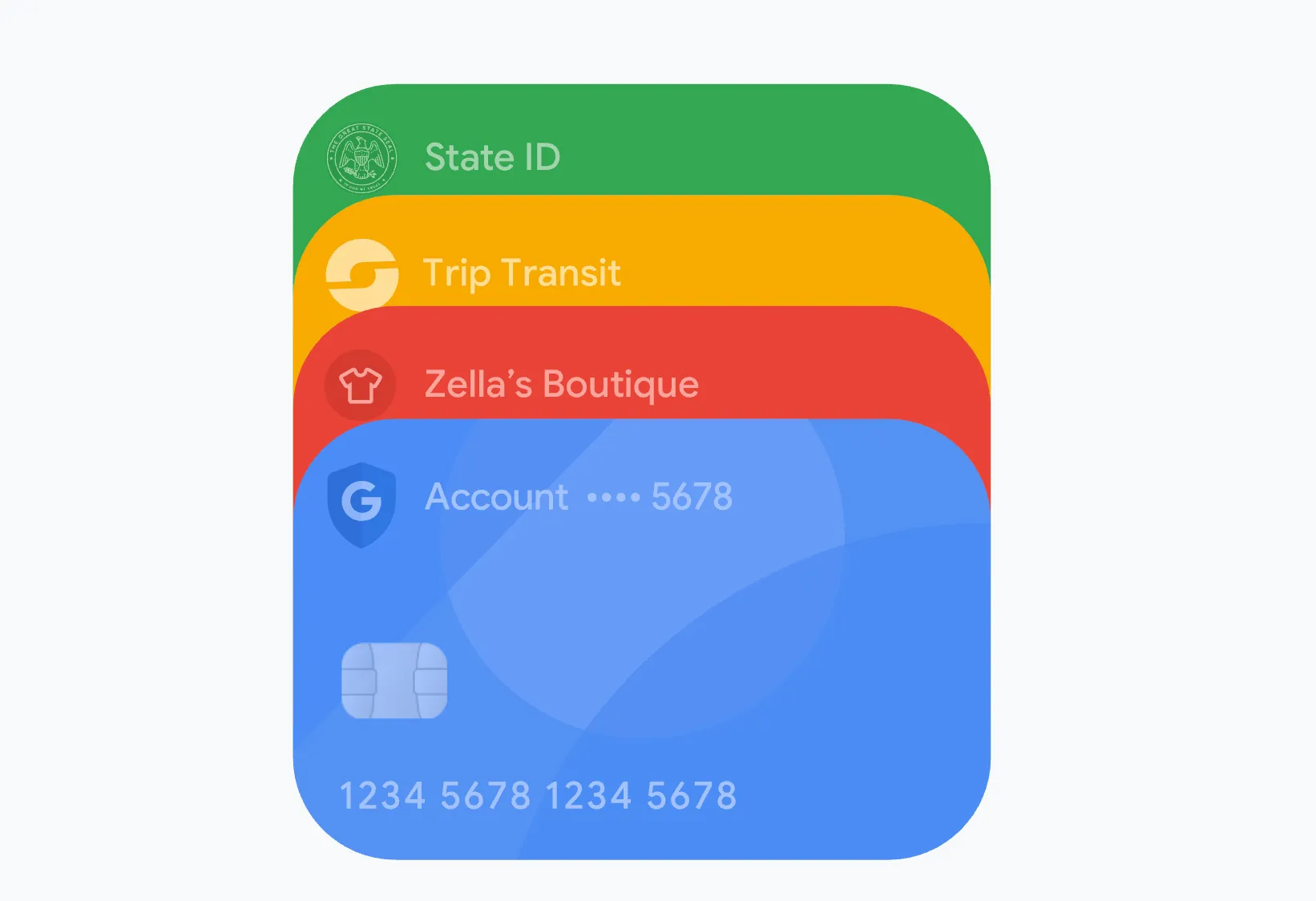
Google Wallet appears to be rolling out expanded transaction history for Android that includes payments made on paired Wear OS devices. For watch users, it closes a straightforward problem: the Android app previously showed only the 10 most recent tap-to-pay transactions from that specific phone, with Wear OS payments excluded entirely. Verifying a watch payment meant opening a browser, not the Wallet app.
The feature was first signaled in early 2026, when Google Play Services v26.01 release notes indicated users would be able to view transactions from other devices and online purchases made with virtual card numbers. The rollout is staged and server-side. As of this week, it's live on some accounts and not others.
Where to find Wear OS transactions in Google Wallet
The entry point appears to be the 'View more' area floating action button on the Wallet homepage. Google describes it as a "thorough, highly searchable hub for everything in Wallet, including detailed transaction information," per 9to5Google's I/O 2026 coverage. From there, navigate to Transactions to see the full cross-device history, including any payments made from a paired watch.
Where the Android app previously cut off at ten phone-only entries, the same screen now surfaces watch payments alongside them. A transit tap, a coffee shop contactless payment, a hotel checkout made from the wrist those transactions now appear inside Wallet rather than requiring a detour to wallet.google.com. The web version has logged this data for years. The app is only now catching up.
The "View more" hub also houses order tracking, which began rolling out this July. Approaching deliveries surface as a card at the bottom of the homepage carousel; tapping it opens a detail view with purchased items, images, a link to the original confirmation email, and live tracking information. The full order list is accessible at View more > Transactions > Orders. That feature has its own prerequisites, covered below.
If expanded history or order tracking hasn't appeared yet, there's nothing to configure manually. The rollout is server-side. Open View more and check Transactions. If cross-device history isn't populated, the rollout hasn't reached that account.
Why the app lagged behind the website for so long
The gap between the Android app and the web was real and long-standing. The Wallet website at wallet.google.com already logged contactless Android payments, virtual card transactions, Plaid-linked account activity, and Google Pay balance changes — a substantially fuller picture than what the app offered. Wear OS history was part of that web view. It simply never made it into the app.
The structural reason is that before the I/O 2026 redesign, the Android app had no single location built to surface detailed transaction history. The app showed a recent-payments strip and not much else. The new "View more" hub gave that expanded history somewhere to live. The infrastructure change preceded the feature; once the hub existed, bringing cross-device history into it was a logical next step.
The redesign also introduced a full-screen visual treatment for time-sensitive passes like boarding passes, plus Live Updates for flights and event tickets. The pattern across all of these changes points toward an app designed to be proactively checked and used as a financial dashboard, not just opened at a payment terminal.
A transaction search feature was also spotted in Wallet's app code earlier this year, described as compatible with both phone and Wear OS, per 9to5Google. It hasn't shipped broadly yet. As 9to5Google noted at the time, items appearing in Play Services changelogs can take months to reach users, the same caveat that applied to cross-device history when it was first flagged in January. Six months later, that history is rolling out. Search is presumably on the same track.
What Wallet still doesn't show
Order tracking is US-only at launch, and coverage isn't universal even within the US. Google notes that smaller merchants and non-US retailers may not appear. There's also a prerequisite that will catch some users off guard: the feature pulls receipts, tracking numbers, and shipping status from Gmail, which means Gmail's smart features for other Google products must be switched on. The setting lives at Gmail > Settings > [your email account] > Google Workspace smart features > Smart features in other Google products. Without it enabled, the order dashboard won't populate regardless of app version or account status.
Users who've opted out of that data-sharing won't see orders regardless of geography. That's not an edge case; plenty of users disable those settings for privacy reasons, and it means the feature's reach is narrower than the rollout announcement implies.
The other carve-out is more fundamental. Google's own support documentation confirms that purchases from Google Play, YouTube, and Google One subscriptions are absent from Wallet entirely, on the website and in the app, and must be tracked through a separate Google Account page. For many Google users, those are recurring monthly charges.
Wallet's transaction history has a specific scope: payments made through Google Pay and contactless tap-to-pay, and that scope doesn't include what you spend inside Google's own product ecosystem.
Taken together: Wallet is now the right place to verify watch payments, review cross-device tap-to-pay history, and track deliveries from major US retailers. It isn't a complete transaction archive, and it won't replace a bank app or Google Account for everything. For the most common day-to-day payment scenarios, including the watch payments that previously vanished from the app, it now works without opening a browser.
What comes next
The receipts API announced at I/O 2026 is the development that determines how durable order tracking becomes. That API would let merchants push digital receipts directly into Wallet rather than relying on Gmail to parse confirmation emails.
If merchant adoption grows, order tracking could stop depending on Gmail settings and potentially expand beyond US-only coverage. Until then, the Gmail integration does the heavy lifting functionally for most users, but is unavailable to anyone who's opted out of data sharing.
Transaction search, once it ships broadly, is the next meaningful step for the cross-device history now rolling out. A scrollable list of watch and phone payments is useful. A searchable one is faster than most bank apps for locating a specific charge. The web version has had that capability for years. The app code indicates it's coming. Based on the pattern of the past six months, it'll arrive on its own schedule.




Comments
Be the first, drop a comment!