



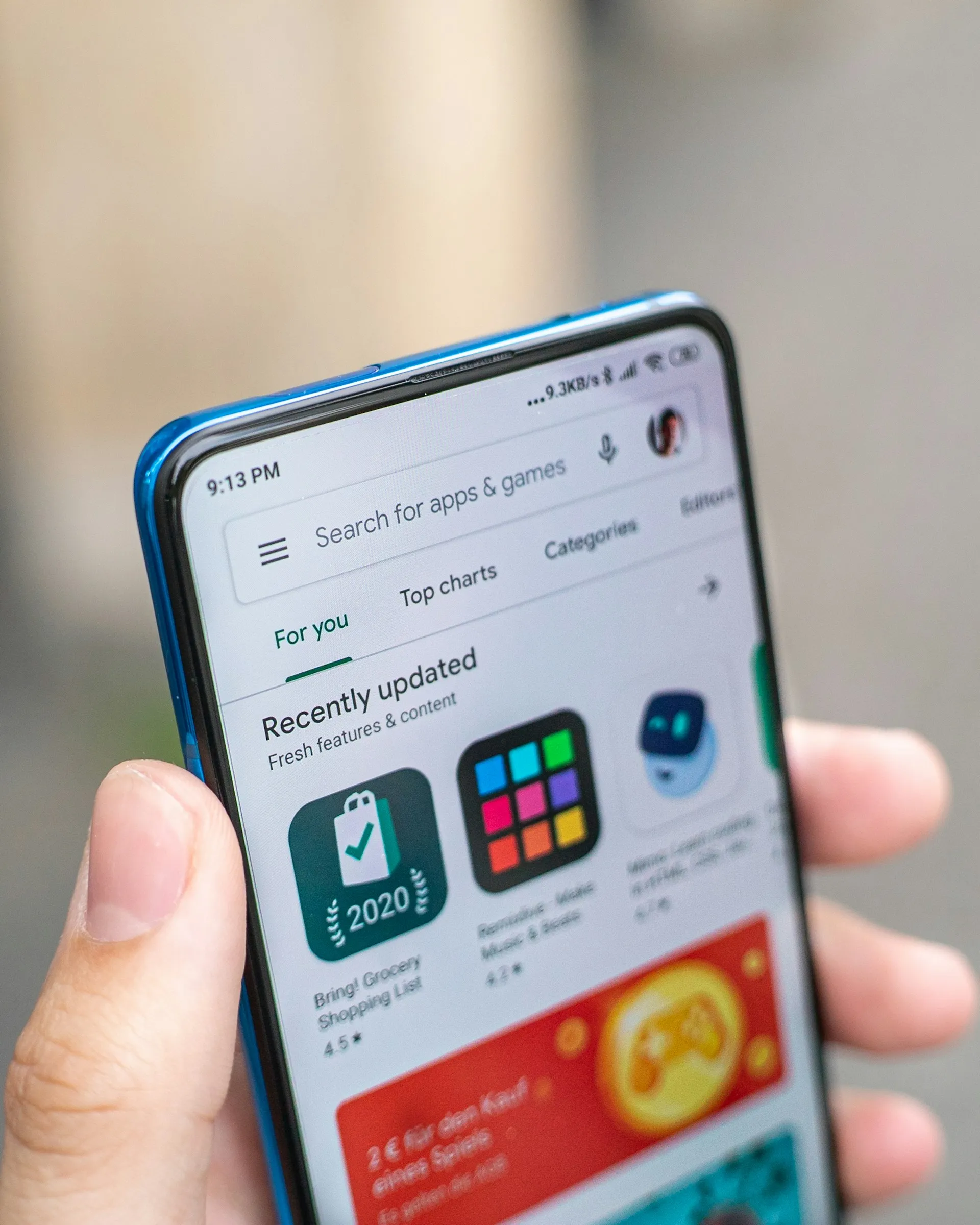
Google's latest move in the Play Store isn't just another policy update—it's a direct shot at apps that have been quietly draining your phone's battery behind the scenes. The tech giant has rolled out a new system that actively identifies and flags battery-hungry applications, essentially putting them in the digital equivalent of timeout until they clean up their act.
This development shows how platform holders are taking responsibility for user experience quality. Rather than leaving users to figure out why their phone dies by 3 PM, Google is now stepping in as the battery police. But what does this mean for the millions of Android users who've been unknowingly running digital energy vampires on their devices?
How Google's "battery shaming" actually works
The detection system operates through a sophisticated web of monitoring that's been quietly running in the background of your Android device for years. Google's algorithms examine CPU usage patterns, background activity frequency, and wake/lock behavior to identify problematic apps. Think of it as having a really meticulous accountant keeping tabs on every digital penny your apps spend from your battery bank.
The system supposedly combines aggregated on-device monitoring with cloud-based analysis to build comprehensive battery impact profiles. Your device constantly tracks which apps wake up when they shouldn't, how often they ping servers in the background, and whether they're hogging CPU cycles while you're not even using them. This data feeds into Google's detection algorithms, which also incorporate user reports and automated testing results.
When an app crosses Google's battery drain threshold, that's when things get interesting. The warning label appears prominently right in the Play Store listing, where potential users can see it before they even consider downloading. This isn't just a gentle nudge—it's a public flag that essentially says, "This app might make your battery life difficult."
Google has implemented a graduated response system where this isn't a one-strike situation. Apps get opportunities to improve through updated development guidelines and testing tools, but repeated violations can lead to reduced app visibility or warnings. The technical backbone leverages Android's existing battery optimization infrastructure, which has been collecting usage data across billions of devices without requiring additional user permissions or system overhead.
What this means for your Android experience
Here's where things get genuinely exciting for everyday users. Your phone's battery life stands to see real improvements as developers suddenly find themselves motivated to write cleaner, more efficient code. When there's a public warning label at stake, priorities shift remarkably quickly.
The transparency revolution is the bigger story here. Instead of playing detective with your battery usage stats after installation, you'll get upfront information about potential battery drains before you download anything. This shift empowers you to make informed decisions—install the battery-hungry app if its features justify the trade-off, or skip it entirely based on transparent information.
The system does have limitations that Google acknowledges. Legitimate apps requiring significant battery power—GPS navigation during active route guidance or video streaming applications—might occasionally receive flags. However, the contextual difference matters: a navigation app consuming power while actively guiding you makes sense, while a simple note-taking app doing the same thing in the background signals a problem.
The ripple effects across app development
The developer community is experiencing what amounts to a fundamental business reality shift. Battery efficiency has transformed from a technical consideration into a marketing imperative. When app discoverability depends directly on resource management, optimization becomes an essential business strategy rather than optional polish.
This creates a competitive landscape where performance excellence drives market advantage. Development teams investing in comprehensive battery testing and code optimization now possess tangible business benefits—good engineering practices are finally receiving the market recognition they deserve.
The pressure affects different developers differently. Established teams with resources can leverage this change as a differentiation opportunity, while smaller teams and indie developers face additional testing requirements in already tight development cycles. However, Google's response includes updated development guidelines and testing tools designed to help developers identify and resolve battery drain issues before they impact Play Store standings.
Perhaps most significantly, this policy reshapes feature development conversations entirely. Every new feature now gets evaluated against potential battery impact and warning label risk. This constraint drives innovation toward more efficient solutions rather than brute-force implementations, potentially leading to genuinely better app experiences overall.
Where this trend leads the mobile ecosystem
Google's battery monitoring initiative represents a pivotal moment in platform evolution. The shift from passive app hosting to active user experience curation signals broader industry changes that other platform holders are undoubtedly studying closely. This approach could establish battery efficiency as a universal app quality metric extending beyond Android to iOS, Windows, and other ecosystems.
The implications extend well beyond battery management. If this monitoring proves successful, we may see similar transparency measures applied to other performance metrics—storage consumption, memory usage, network efficiency, or comprehensive app performance scoring that helps users understand the true cost of their software choices.
This evolution reflects growing user sophistication around device performance management. As smartphones become increasingly central to daily productivity and communication, users demand more transparency and control over factors affecting device functionality. Platform holders are responding by accepting greater responsibility for app ecosystem quality rather than maintaining hands-off approaches.
The long-term trajectory points toward platforms becoming active guardians of user experience rather than neutral marketplaces. This transformation could fundamentally alter how we think about app stores—evolving them from simple catalogs into comprehensive performance and compatibility management systems that prioritize user outcomes over pure selection volume.
Bottom line: Google's battery shaming system might be the beginning of a new era where platform accountability drives app quality improvements. The success of this approach will depend on how effectively the monitoring systems distinguish between legitimate resource use and wasteful behavior, but it's already establishing a precedent that our devices should work for us rather than against us.







Comments
Be the first, drop a comment!