



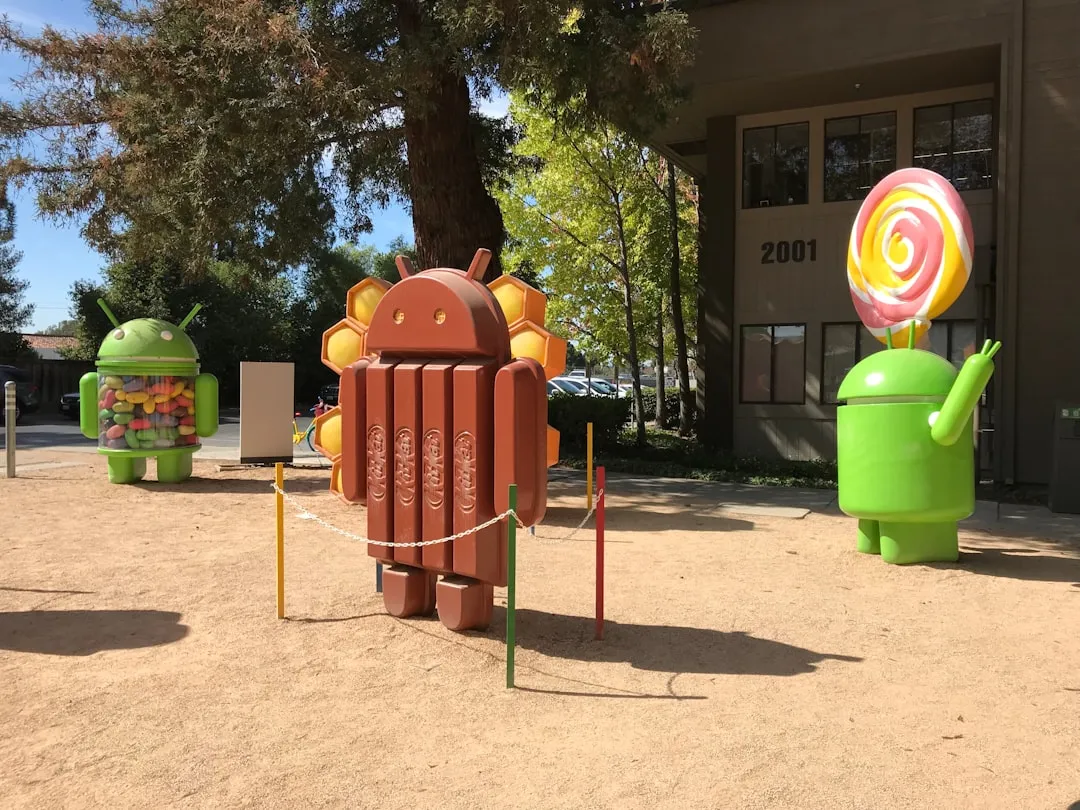
Google Pixel home screen customization: what Android 16 QPR3 changed
The March Pixel Drop delivered something Pixel owners have wanted for years: native app icon customization without a third-party launcher. Google Pixel home screen customization took a real step forward this month, but the way Google built the feature draws a clear line around how much control it's actually handing over.
AI-generated icon packs landed on all Tensor-powered Pixels (Pixel 6 and later, excluding Pixel Tablet) with Android 16 QPR3, accessible through Wallpaper & Style, according to 9to5Google. Rather than opening Android's established third-party icon pack ecosystem, Google built its own AI-only pipeline, one where every customization option routes through Google-controlled menus and the workflow has real friction baked in.
The same update made At a Glance removable from the home screen for the first time and shifted the bottom search bar to the Google app's ownership. Some of these changes give Pixel users genuine flexibility; others consolidate Google's hold on the surfaces users interact with most.
What Google's AI icon system does and what it doesn't
Five icon styles are available inside Wallpaper & Style: Scribbles, Cookies, Easel, Treasure, and Stardust. Each uses AI to generate icons matched to your installed apps rather than pulling from a pre-built library, as 9to5Google reported earlier this month.
Color options exist but are narrow. Some styles offer a small set of pre-selected colors, while Cookies and Stardust are locked to their pre-built palettes with no adjustments available, per 9to5Google's evaluation. Before applying a pack, Google previews nine icons. Tapping any of them lets you give feedback or regenerate that specific icon's look, though only within that limited preview window before you commit.
The gap versus Android's traditional icon-pack system is significant:
- Third-party packs from the Play Store offer full per-app previews before you commit
- They update automatically as apps rebrand
- They work across multiple launchers, not just Pixel Launcher
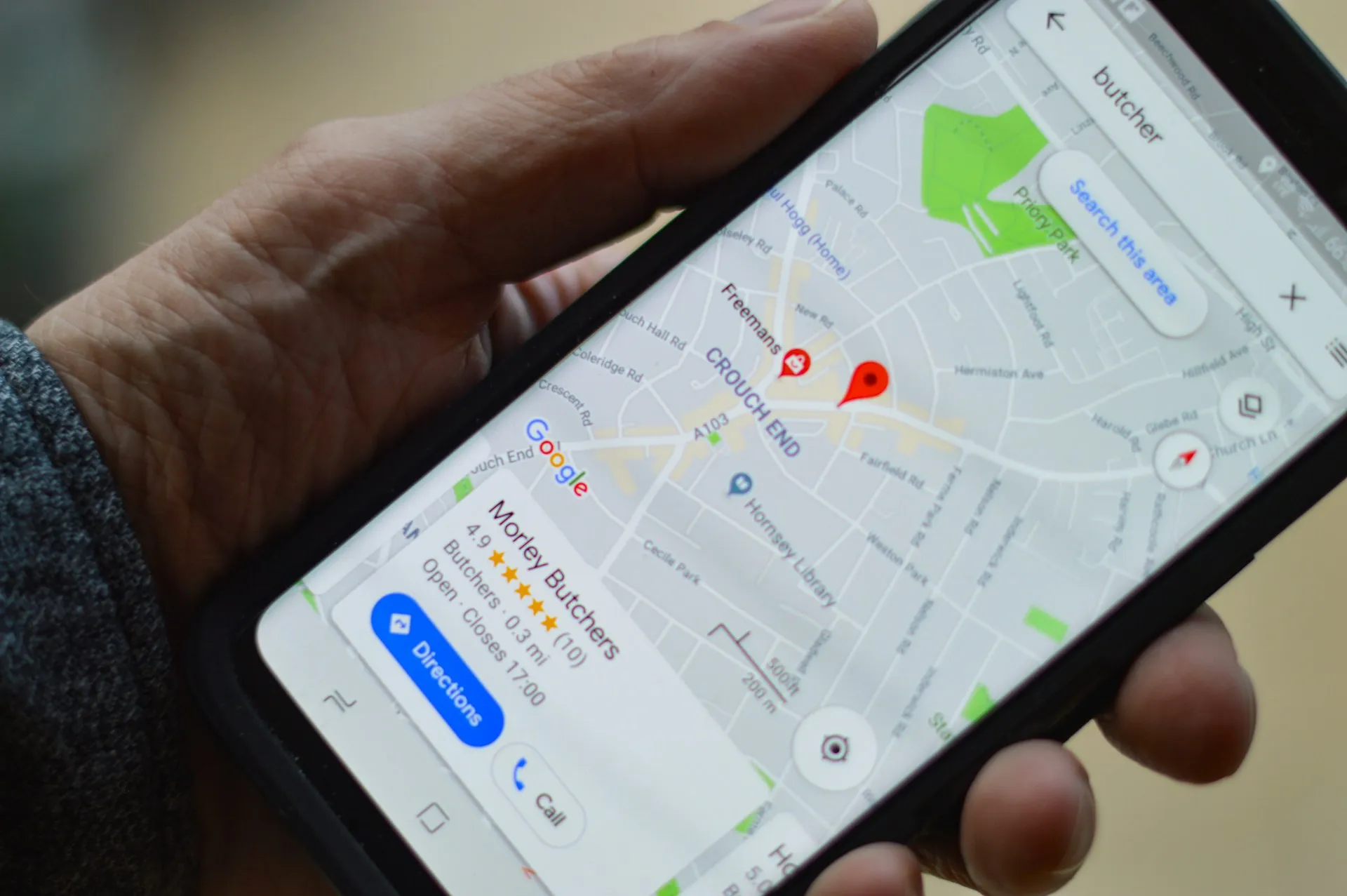
Google's AI approach offers none of that. One concrete consequence: when Google Maps received an official icon redesign, a Pixel running an AI-generated pack kept the old pin logo, because icons are generated at pack creation and don't refresh automatically, according to the same hands-on report. That's a maintenance gap that compounds over time as apps update and rebrand.
Where the workflow creates friction
The preview-then-commit loop is the feature's biggest usability problem. Users see only nine icons before saving, not a full home screen view. To see how remaining apps render, they have to apply the pack, check the home screen, then return to Wallpaper & Style to make changes, per 9to5Google's hands-on. Every edit cycle costs time and navigational steps that a more open interface would eliminate.
There's no long-press shortcut on any home screen icon to trigger a regeneration in place. Every adjustment routes through the same settings menu, as noted in the same piece. For a feature that invites visual experimentation, that indirection is a real barrier.
This is cosmetic flexibility operating inside a controlled workflow, not launcher-level control. You can change how icons look. You cannot mix styles, import packs, or edit anything directly from the home screen.
Google Pixel home screen customization still has limits here's what to do about them
For users who want more than what the built-in system offers, the options haven't changed. Third-party launchers such as Nova Launcher still provide per-app icon assignment, support for existing Play Store icon packs, gesture customization, and direct home-screen editing. The trade-off is giving up some Pixel Launcher features, including At a Glance integration and certain Google-specific shortcuts.
The built-in AI packs are fine for low-effort visual changes within a consistent style. Users who want to mix icon sets, swap individual app icons, or pull from the wide library of community-made packs on the Play Store still need a third-party launcher to get there. Google's system and that ecosystem don't intersect at all right now.
What else changed on the Pixel home screen
The icon system isn't the only home screen change in the March drop. Android 16 QPR3 also introduced a "Show on home screen" toggle for At a Glance, first spotted by 9to5Google in December when it surfaced in beta.
Disabling the toggle removes At a Glance from the top of the first home screen, freeing that row for apps or widgets, while keeping it active on the lock screen and always-on display. The first home screen can now finally match subsequent pages in layout. Users who've wanted a cleaner top row have been working around this constraint for years.
The bottom search bar moved in a different direction. After briefly gaining a Material 3 Expressive redesign, Android 16 QPR3 rolled it back to the older look, which 9to5Google called a design regression, while suggesting the bar is now effectively controlled by the Google app rather than Pixel Launcher. The practical upside: a long-press on the bar now lets you customize or disable the AI Mode shortcut, choosing from options including Live, Translate, Song Search, Weather, Sports, Dictionary, Homework, Finance, and News. The trade-off is that the search bar is now a Google app surface, not a launcher-native one, consistent with how most other Android phones already work. Given that the change first appeared in Android 17 Beta 1, was reverted in Beta 2, then shipped anyway in stable QPR3, 9to5Google suggests it's here to stay.
The pattern across these changes is readable enough: Google is loosening restrictions on home screen layout and aesthetics while tightening ownership of the surfaces tied to search and AI. The SpongeBob-branded theme pack arriving in the same drop, with wallpapers, ringtones, and icons available through early May, per 9to5Google, fits that approach. Personalization, for Google, is partly a curated content channel. That's not inherently bad, but it's a different thing than user control.
What Pixel owners actually have now
For Pixel owners who've wanted more say over how their home screens look, the March drop is a genuine step forward. AI icon packs, a removable At a Glance, and customizable AI Mode shortcuts are all real additions, arguably the biggest batch of Pixel home screen changes in one drop, across 9to5Google's coverage.
The icon feature offers cosmetic variety without functional depth. No third-party pack support, no home-screen-level editing, no automatic updates when apps rebrand, as 9to5Google's evaluation found. What's improved is appearance. What hasn't changed is where the controls live, inside Google's own menus, on Google's own timeline.
Whether this is a foundation or a ceiling depends on what Google does next. Per-app icon editing from the home screen, broader device support including Pixel Tablet, and eventual third-party pack compatibility would shift things considerably. None of that is confirmed. For now, Pixel home screens are more expressive than they were, just not yet more open.




Comments
Be the first, drop a comment!