






The Google Pixel 10a price increase is already showing up at checkout. The phone's U.S. price jumped from $499 to $599 at the Google Store, and that new figure has spread to Amazon and Best Buy too.
The hike isn't a U.S.-only story. Wayback Machine snapshots show the UK price climbing from a discounted £429 to £599, and the Canadian price moving to $849 CAD.
That $100 matters because the $499 price tag was doing most of the selling for this phone. Reviewers treated the low cost as the Pixel 10a's main appeal despite recycled internals, with Ars Technica calling it "probably still the best $500" you could spend on an Android phone when it reviewed the device earlier this year. Here's what's confirmed about the new pricing in each region, what's still murky, and what that means for anyone deciding whether to buy right now.
What changed, and where the Pixel 10a price increase applies
In the U.S., the jump from $499 to $599 has already reached Amazon and Best Buy on top of the Google Store, so this isn't a single-retailer pricing glitch.
The international picture is messier. UK pricing sat at a discounted £429 as recently as September 17, below the phone's original £499 launch price, and now lists at £599 on Google's own store. Canadian pricing moved from a $529 CAD discount price seen through September 22, itself below the $679 CAD launch price, to $849 CAD.
That distinction matters. The U.S. change is confirmed across Google's store and two major third-party retailers. The UK and Canada figures come only from Google's own storefronts in those countries, and both markets were showing discounted prices right before the jump, not flat launch prices.
So the open question is whether $599 is a new permanent list price everywhere, or whether the UK and Canada simply saw a temporary discount expire at the same moment the U.S. list price rose. Android Authority's reporting doesn't resolve that, and nothing else in the record settles it either.
One more wrinkle before you assume a flat $100 bump applies to you: the 256GB configuration of the Pixel 10a already cost $599 before any of this happened, per Android Police's testing from earlier this year. The 256GB model has also risen $100, from $599 to $699, according to current retailer listings.
Given all that, the only reliable move is checking the current listed price at your own regional Google Store and preferred retailer. Don't assume $499 or £429 still applies anywhere until you've confirmed it yourself.
Why the Pixel 10a price hike changes the math on an already modest upgrade
Even before the price moved, reviewers weren't describing the Pixel 10a as a meaningful leap over its predecessor. PCMag called it a "warmed-over refresh," and Ars Technica went further, writing that it's "hardly deserving of a new name."
Part of that comes down to the chip. The 10a carries over the Pixel 9a's Tensor G4 processor and 8GB of RAM, breaking Google's habit of matching A-series phones to that year's flagship silicon. The Pixel 10 and 10 Pro both run the newer Tensor G5. That same Tensor G4 and RAM configuration is confirmed for the Pixel 9a too, according to Android Police's testing, which is exactly why the 9a is worth checking as a comparison point before paying more for the 10a.
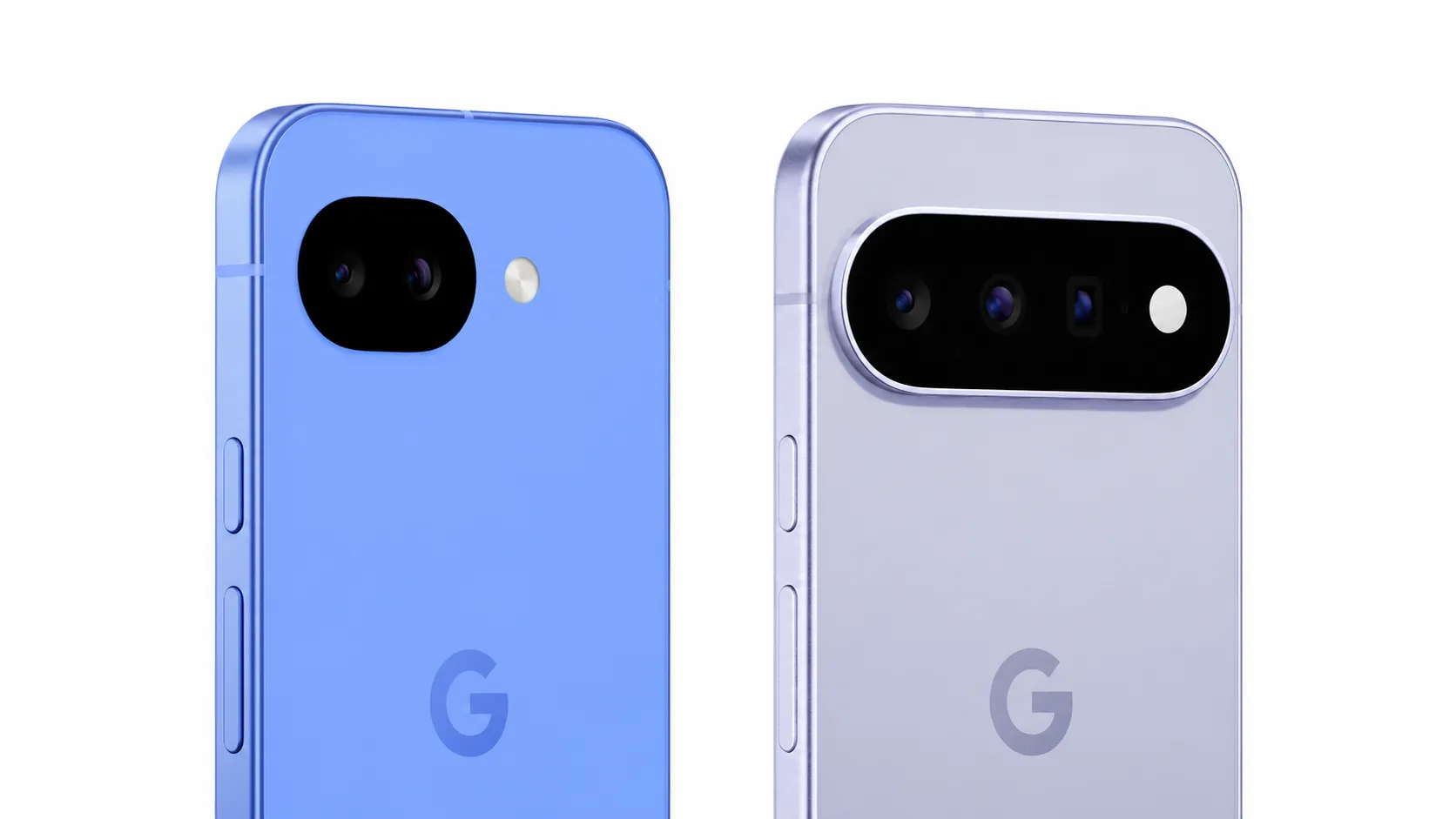
The upgrades that do exist are real, just incremental: an 11% brighter 3,000-nit display, tougher Gorilla Glass 7i in place of Gorilla Glass 3, a fully flush rear camera housing, satellite emergency SOS, and faster charging.
Google rates the Pixel 10a for up to 30W wired charging, up from 23W on the Pixel 9a. The confusion comes from Google recommending a 45W USB-C PPS charger to reach its advertised charging speed; 45W is the charger rating, not the phone's maximum charging rate.
Camera hardware hasn't moved at all. The 10a still runs a 48MP main sensor and 13MP ultrawide, with no telephoto lens, and zoom gets noticeably blurry past roughly 3-4x, per Ars Technica.
One more data point worth flagging, not as an explanation but as context: Google's Pixel 11 flagship series also launched with a $100 price increase across the board. Whether that's connected to the 10a's hike or just a coincidence of timing isn't something the available reporting settles.
Is the Pixel 10a still worth buying at $599?
The case for buying still rests on the same strengths reviewers praised months ago, just at a higher cost now. Ars Technica pointed to the phone's compact 6.3-inch build, IP68 water resistance, and Google's seven-year OS and security update guarantee, which runs through 2033, as the strongest reasons to pick a Pixel over cheaper alternatives. Android Central also flagged AI camera tools like Auto Best Take and Camera Coach as features on the 10a that the older Pixel 9a doesn't have.
Before paying $599, though, the 9a is the comparison that makes the most sense. It runs the identical Tensor G4 chip and 8GB of RAM, which is why Ars Technica's original review recommended buying a discounted Pixel 9a over the 10a even back when the 10a still cost $499. That advice carries more weight now that the price gap has widened, assuming the 9a hasn't seen its own quiet increase. Current 9a pricing isn't reflected in any of the available reporting, so check it directly at the Google Store or retailers before drawing conclusions.
For buyers prioritizing raw specs over Google's software ecosystem, Android Police's testing found the Nothing Phone (4a) Pro, which matched the 10a's original $499-$500 price, offers a larger 6.83-inch 144Hz display, up to 12GB of RAM, and a 50MP periscope telephoto lens for 3.5x zoom the Pixel doesn't have at all. In one benchmark, the Nothing phone ran Asphalt Legends at 90fps compared to the Pixel 10a's 60fps, though that's a single game test, not a broad verdict on gaming performance overall. That comparison also predates the price hike, so current Nothing pricing needs checking separately before it holds up as a direct alternative.
The Pixel still has real advantages regardless of price. It's lighter at 183 grams versus the Nothing's 210 grams, and it carries a higher IP68 rating compared to the Nothing's IP56. It also supports 10W Qi wireless charging, which the Nothing comparison didn't test as a feature of its own device.
None of this adds up to an urgent reason to buy today at full price. A compact design, long software support, and Pixel-specific AI tools still make the 10a worth considering even at $599. If raw performance, a telephoto lens, or more RAM matter more to you, current Nothing pricing and a side-by-side look at the 9a are worth checking first. And if none of those tradeoffs feel pressing, carrier promotions or a holiday sale could realistically bring the effective price back down, since nothing confirmed requires paying $599 outright right now.
What's confirmed, and what to check before you buy
What's solid: the Pixel 10a's U.S. price has risen $100 to $599, verified across Google's store, Amazon, and Best Buy. What's reported but less certain: comparable price jumps in the UK and Canada, though those come from Google Store snapshots alone and may reflect the end of temporary discounts rather than a fixed new MSRP.
Android Authority also noted that a Pixel 11a is "starting to take shape," though that's a vague signal with no specs or timeline attached, not something worth factoring into a purchase decision today.
Before buying, check three things directly: the current price at your regional Google Store and at Amazon or Best Buy, today's Pixel 9a price as the most direct comparison, and the 10a's current price for your preferred storage tier. Google specifies up to 30W wired charging when used with a suitable USB-C PPS charger. If none of those checks make $599 look like a good deal, waiting for a sale or carrier promotion is the safer call.








Comments
Be the first, drop a comment!