



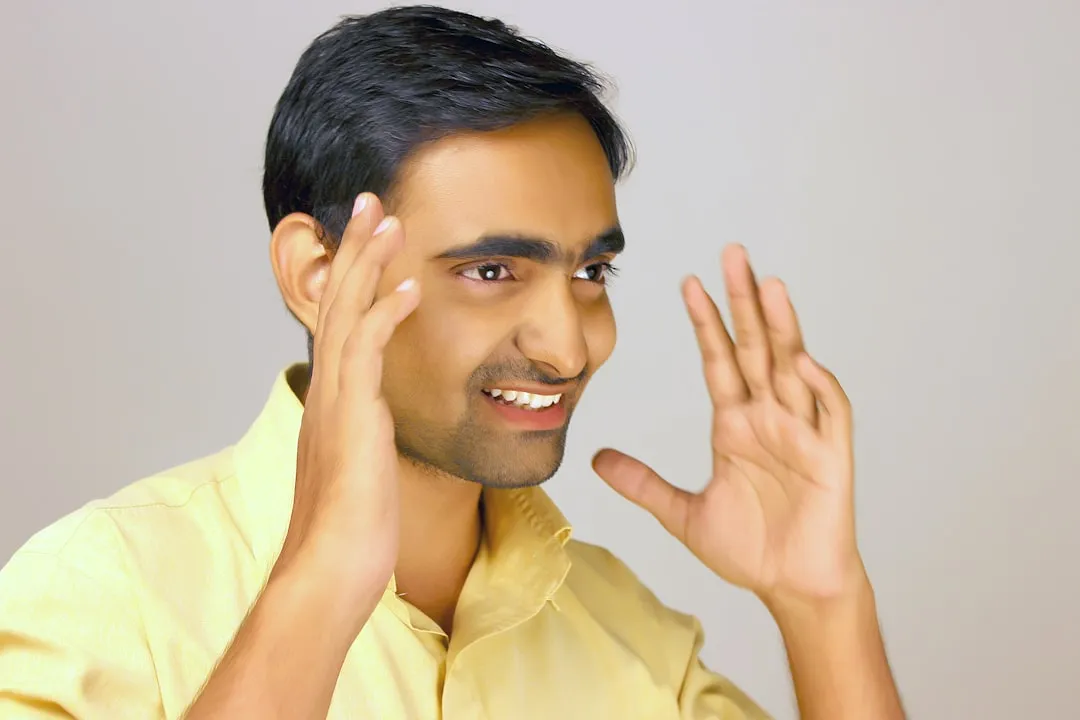
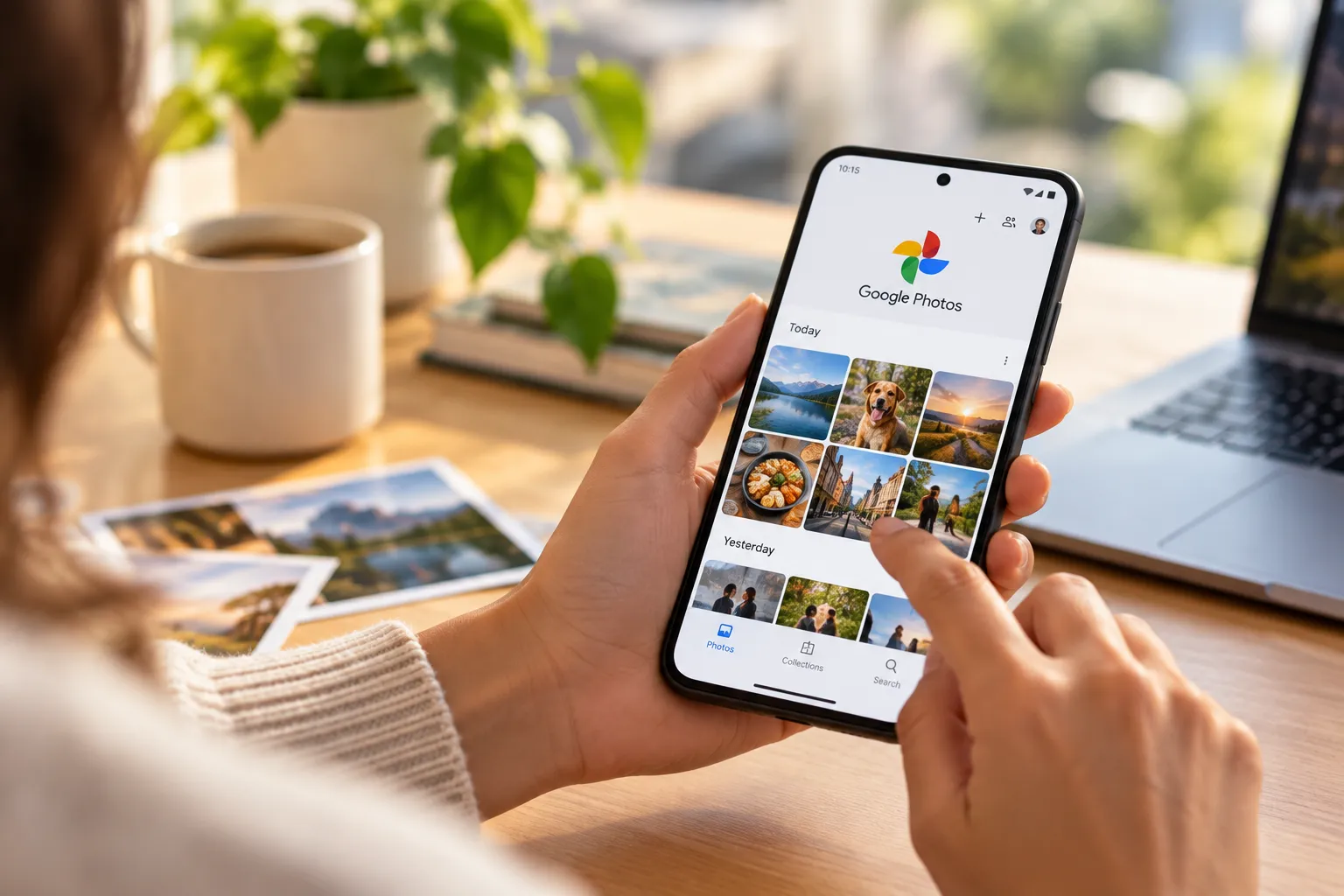
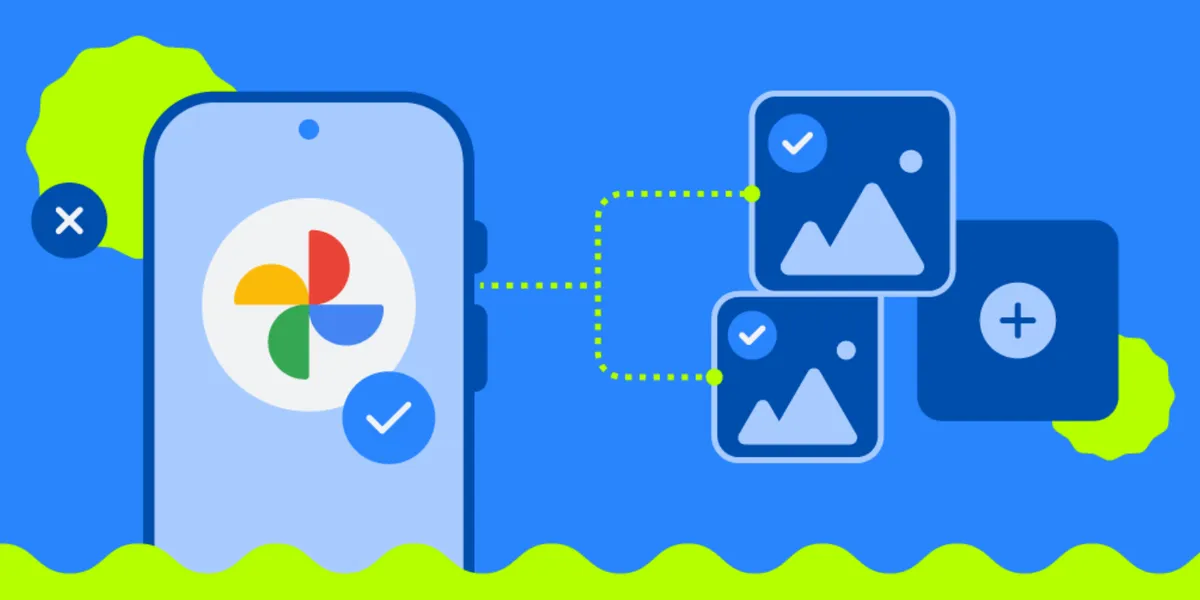
Google Photos is stepping into the meme game with its latest AI-powered feature, and honestly, it's about time. The company has officially launched "Me Meme," a generative AI tool that lets you insert your face into popular meme templates with just a few taps. Google announced this experimental feature through its Photos Community site, bringing a fun twist to how we interact with our photo libraries.
This isn't just another gimmick—it's part of Google's broader strategy to transform Photos from a simple storage app into an interactive creative platform that puts AI directly in users' hands. The feature combines meme templates with your personal images to generate shareable content that feels natural rather than awkwardly pasted together. The tool was first spotted in development October 23, 2025 by Android Authority, and that months-long development timeline suggests Google is taking a measured approach to rolling out consumer-facing AI tools that balance fun with functionality.
What makes this particularly interesting is how it leverages Google's Gemini AI technology, specifically Nano Banana (Gemini image model), which Google has added to other Photos tools. This same AI system enables style transformations like cartoons and paintings, so the underlying technology is proven and reliable—Google isn't experimenting with untested AI here, but rather expanding proven capabilities into new creative territories.
How Me Meme actually works
The process is surprisingly straightforward, which aligns perfectly with Google's approach to consumer AI. You simply select a meme template, choose a reference photo of yourself or friends from your Google Photos library, and let the AI handle the heavy lifting. The system uses advanced image processing to detect facial features and adjust lighting and colors for natural-looking results.
Here's what you need to know about getting the best results: Google recommends uploading well-lit, focused, and front-facing photos for optimal performance. This isn't just a technical requirement—clear source material allows the facial recognition algorithms to accurately map features like eye placement, jawlines, and expressions, which are crucial for creating believable meme integrations.
The feature requires your reference photos to be backed up to Google Photos first, which makes sense since processing occurs on cloud servers rather than locally on your device. This cloud-based approach enables the sophisticated facial feature analysis mentioned above—the heavy computational lifting happens on Google's AI infrastructure, ensuring consistent quality whether you're using a budget Android phone or the latest Pixel device.
PRO TIP: For best results, make sure your backup settings include high-quality photos rather than compressed versions. The AI needs detailed facial information to work its magic effectively.
What templates are available right now?
Currently, the selection is pretty limited, but that's expected for an experimental rollout. The "This is fine" meme template appears to be the primary option available during initial testing phases. This classic internet meme—featuring a dog sitting in a burning room—has become synonymous with maintaining composure during chaotic situations, making it perfect for everything from work stress to family gatherings.
Google hasn't revealed the full range of templates that will be supported, but based on the company's track record with AI features, we can expect the library to expand significantly over time. The real question isn't whether more templates are coming, but how Google will curate them—will they focus on universally recognized formats, or will they adapt to trending memes and cultural moments?
What's particularly strategic about starting with "This is fine" is that it tests the AI's ability to handle complex scenarios. The original meme requires precise placement and expression matching to maintain its comedic effect. If Google's AI can nail this challenging template, simpler formats like the "Distracted Boyfriend" or "Drake Pointing" memes should be relatively straightforward to implement. The tool is designed to let users create shareable content for group chats and social media, so template expansion will likely follow viral content patterns and user demand.
Privacy and authenticity considerations
Google is taking a thoughtful approach to the potential misuse of AI-generated content. The company may implement digital watermarks like SynthID from DeepMind to ensure authenticity and help identify AI-generated images. This becomes crucial as deepfake technology becomes more accessible—having invisible markers that identify AI-generated content could help combat misinformation while still allowing creative expression.
The privacy implications deserve serious consideration, especially given the cloud processing requirements. Since the feature requires cloud processing and backed-up photos, users should understand what's syncing to Google's servers and who might see shared results. However, Google has designed the system with intentional privacy controls—you opt in by choosing specific templates and photos rather than the system automatically scanning your entire library for potential meme material.
Google acknowledges that this experimental feature may not perfectly match original photos, setting realistic expectations about AI limitations. This transparency is refreshing and shows the company is being upfront about the technology's current capabilities rather than overpromising on perfection. It also suggests Google is prioritizing user trust over marketing hype—a smart long-term strategy as AI features become more prevalent.
When and where you can try it
The rollout is happening gradually, which is typical for Google's experimental features. Me Meme isn't fully available yet, so you might not see it in your updated Google Photos app immediately. When it does appear, you'll find it under the "Create" tab alongside other AI-powered tools, positioned as another creative option rather than a standalone app.
Following the pattern of other Google Photos AI features, Me Meme may initially launch in the US before expanding globally. This geographic rollout strategy isn't arbitrary—it allows Google to test server capacity, refine the AI models based on real usage patterns, and address any cultural sensitivities around meme formats before worldwide deployment. Features like Remix and Photo-to-video followed this same approach, often expands to additional markets over subsequent months.
Some advanced features might be limited to Google One subscribers on non-Pixel devices, though this hasn't been officially confirmed, though this hasn't been officially confirmed. This potential tiered access reflects Google's broader monetization strategy for AI features—offering basic functionality to all users while reserving premium capabilities for subscribers. It's a model that balances accessibility with revenue generation, especially as AI processing costs continue to be significant.
What this means for the future of photo apps
This launch represents something bigger than just a fun feature—it's Google's vision for the future of photo management and digital creativity. The company is actively transforming Google Photos from a storage app into an interactive platform for creative content, leveraging AI across its entire product ecosystem to create new types of user engagement.
Photos is becoming a front door for Google's consumer AI, serving as the testing ground for AI capabilities that could eventually spread to other Google products. Think about it—if users get comfortable with AI-generated content through playful meme creation, they're more likely to adopt AI-powered photo editing, smart search features, and automated organization tools. It's a clever way to democratize AI technology by making it approachable and entertaining.
The broader implications extend beyond Google's ecosystem. As photo apps evolve from passive storage solutions to active creative platforms, we're seeing the emergence of a new category: AI-native media applications. The goal is making photo libraries "as smart as they are fun", and features like Me Meme deliver on that promise by turning static memories into dynamic, shareable content that reflects both personal moments and cultural participation.
Bottom line: Google Photos is positioning itself not just as where you store your memories, but as where you actively create new ones. That's a significant shift that could reshape how we think about photo apps, AI integration, and the boundary between preservation and creation in our digital lives.


Comments
Be the first, drop a comment!