



Google Photos Ask Photos Toggle Explained: AI vs. Classic Search
Google Photos is adding a top-level toggle to disable Ask Photos directly from the Search tab, Ars Technica reported earlier this year. The change follows user complaints about the Gemini-powered search experience, and Google Photos head Shimrit Ben-Yair went on record about it, saying the company "has heard the complaints." Until the toggle ships, turning off Ask Photos still requires navigating three levels into the app's settings.
What the toggle actually controls, and what Google has left unaddressed, is worth understanding before it arrives.
What changes when you disable Ask Photos in Google Photos
Before this update, disabling Ask Photos meant going three levels deep in the app's settings, according to Ars Technica. The new control moves to the top of the Search tab: one tap to disable, one tap to restore. That's a meaningful difference in practice. A setting most users never locate is functionally the same as no setting at all.
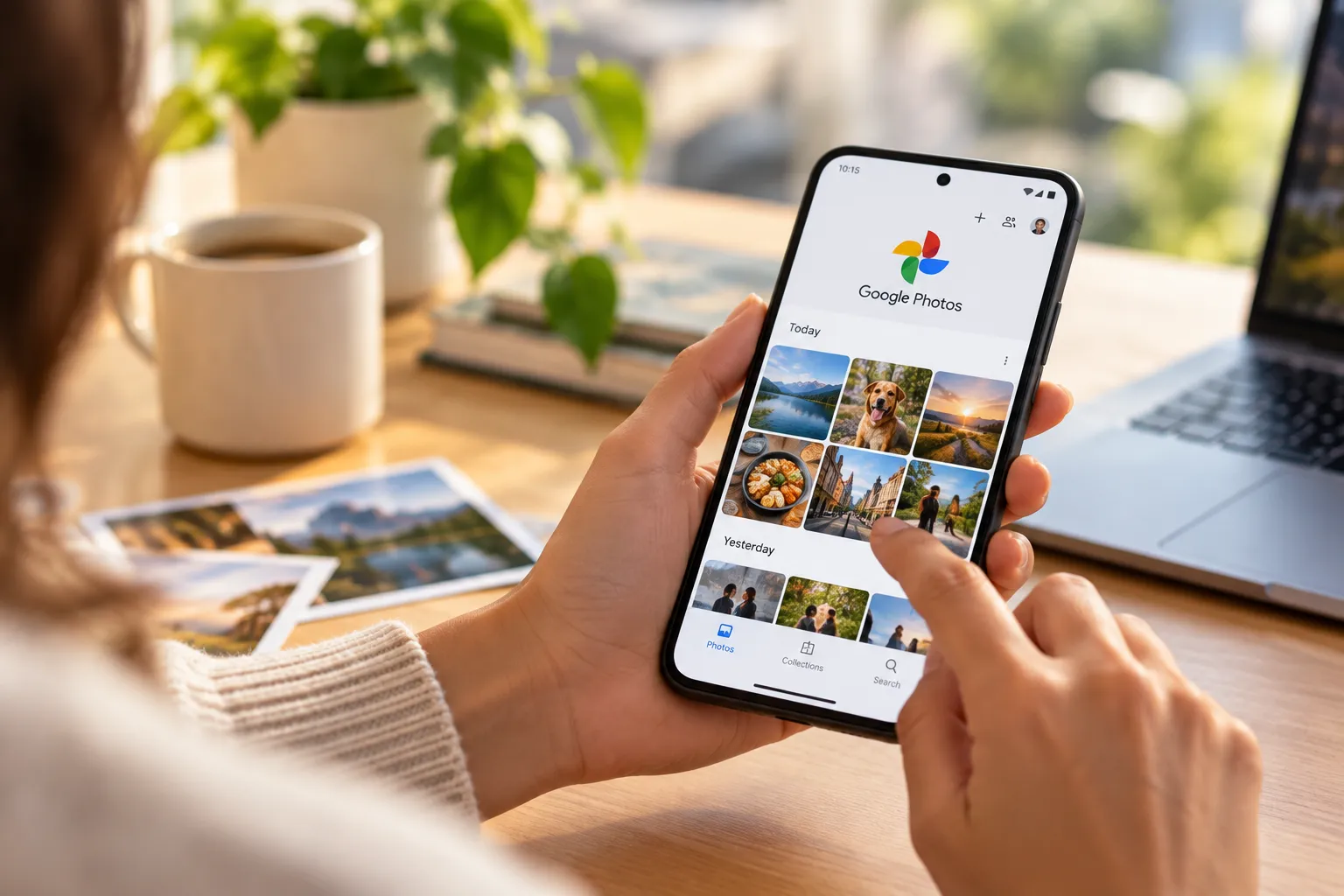
The two modes work differently. With Ask Photos enabled, search runs through Gemini: it accepts conversational queries, produces text summaries alongside results, and applies its own grouping logic, which Ars Technica described as "questionable." Turn it off and you get what Ben-Yair calls "fast classic search" results displayed in a single gallery with options to sort by Most recent or Best match, no summaries, no AI-driven grouping.
Ben-Yair's choice of words is worth noting. Calling the non-AI option "fast classic search" positions speed as a feature of the older system, not a limitation of the newer one. That framing came directly from Google's own product head, per Ars Technica.
Separately, Android Authority spotted a redesigned search results page in a teardown of Google Photos version 7.32.0.765953717, published in June 2025. That redesign would move the search bar to the bottom of the screen and group best-match results in a square gallery taking up just over half the screen, with recent matches by date filling the rest. Tapping the last image in the square gallery would expand a full gallery view. Android Authority was explicit that there is no guarantee any of this ships the outlet had uncovered a previous video player redesign back in October 2024 that never reached users. The search results redesign may arrive alongside the Ask Photos toggle, on its own separate timeline, or not at all.
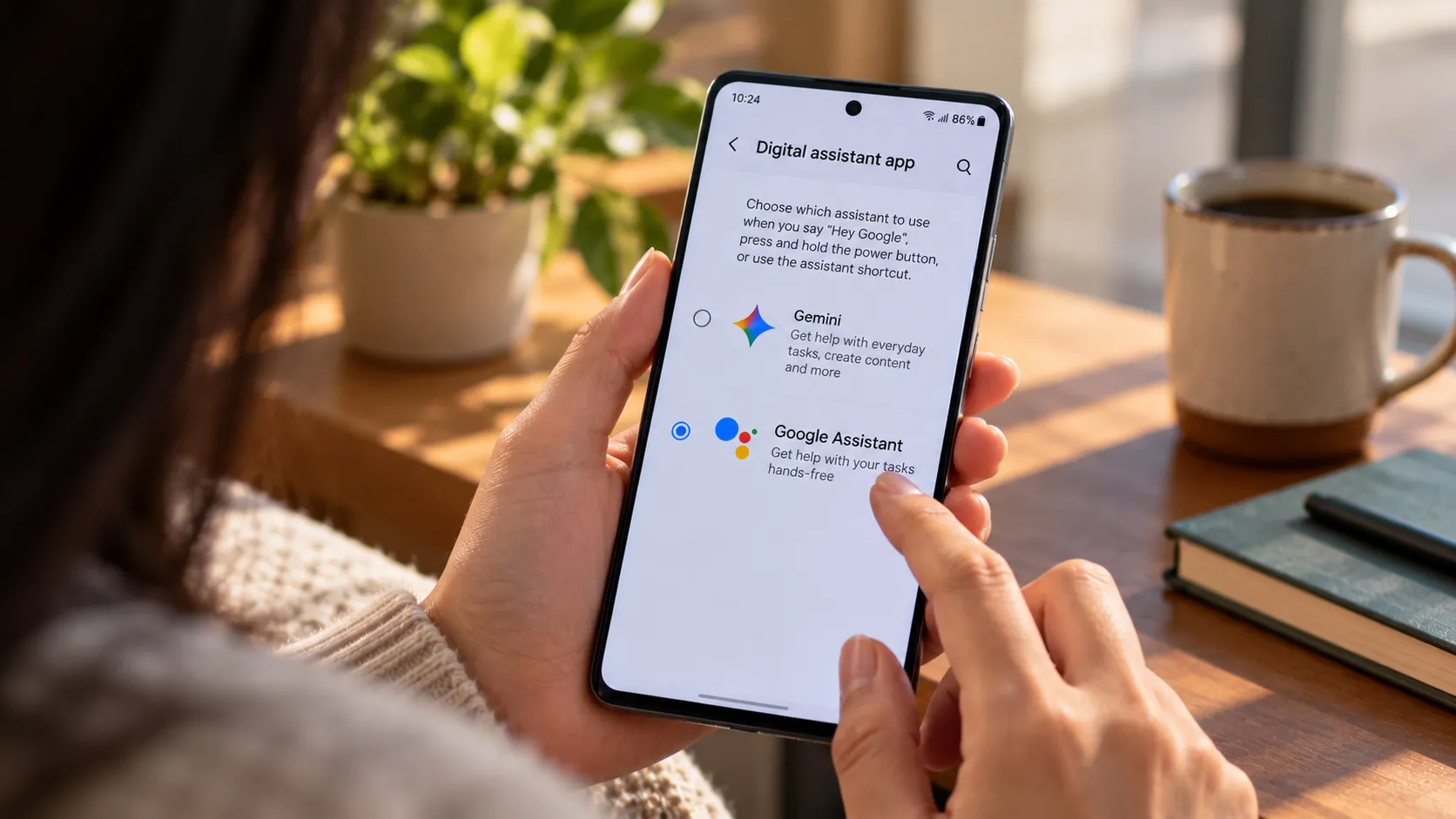
How to disable Ask Photos in Google Photos
Until the new toggle ships, the path is: open Google Photos, go to Settings, find the Ask Photos option, and turn it off. Three taps through the settings hierarchy. Not impossible, but obscure enough that Google apparently heard about it enough times to act.
Once the toggle arrives at the top of the Search tab, the process becomes a single tap. No settings navigation required. Google has not specified whether the toggle will be available on both Android and iOS, whether it will arrive via a server-side update or require a specific app version, or whether Pixel devices will get access before other hardware. The timeline is "coming soon," according to Ars Technica's reporting on Ben-Yair's statement, without a more specific date.
One thing Google has not addressed: whether flipping the toggle also changes anything else in the search interface. The animated prompts, the AI shimmer effect, other visual elements tied to the Ask Photos experience none of that is covered in the confirmed scope. The toggle controls search mode. Whether it clears related UI behavior has not been documented from any first-party source. If the shimmer is the main frustration, the safest approach is to wait for the shipped version before assuming the toggle handles it.
Google Photos classic search vs. Ask Photos: which mode suits which user
Google is framing the two modes as serving different needs, and the distinction holds up in practice.
Ask Photos handles exploratory queries across a large library. A search like "beach photos from 2022 with someone surfing" is exactly what Gemini integration is built for understanding intent rather than matching terms. For users who search that way, the interpretive range is the point. The tradeoff is that Gemini's grouping logic can produce results that feel arbitrary, and the added processing time is noticeable.
Classic search is built for direct lookups. Type a keyword, get matching results sorted by recency or relevance. The output is more predictable and the interface simpler. If the question is specific a person, a place, a date range classic search gets there without interpretation.
Google has not published any side-by-side data on speed or result quality between the two modes. The framing of classic search as "fast" comes from Ben-Yair's description, not a benchmark.
Why the placement change matters
Moving the toggle from three menus deep to the top of the Search tab is not a minor UX adjustment. It's a product decision with an implicit acknowledgment attached.
Ben-Yair's on-record statement that Google "has heard the complaints" confirms the feedback was substantial enough to prompt a named executive to address it publicly and change the product, as Ars Technica reported earlier this year. When a company buries a setting three levels deep, it's typically not an accident. When it moves that setting to the surface, the reason is usually that users found the buried version and complained loudly enough to register.
The result is a visible, accessible choice between AI-powered and classic search something that wasn't available at the surface before. That's a real improvement for users who wanted an exit from Ask Photos but couldn't find one. For users whose frustrations are more visual the interface itself rather than the search results it returns the toggle's confirmed scope doesn't cover that ground. Whether the shipped version does more than switch search modes is still an open question.
There's also a broader pattern worth tracking here. Google has been rolling out Material 3 Expressive visual changes across Android apps, and Google Photos is part of that effort. Android Authority's June 2025 teardown surfaced not just the search results redesign but also an overhauled video player with a larger timeline, repositioned controls, and hold-to-rewind/fast-forward gestures. Whether any of that arrives with the Ask Photos toggle update or ships separately is unconfirmed. Android Authority noted the broader redesign appears consistent with Google's Material 3 Expressive direction, though precedent from the October 2024 video player teardown suggests that consistency with a design language is no guarantee of a release date.
What to watch for when the toggle ships
The toggle's core function is documented: switch it off, and Gemini-powered Ask Photos gives way to classic search. That part is confirmed. Everything else is still open.
Platform availability is unconfirmed. Delivery method is unconfirmed. Timing beyond "coming soon" is unconfirmed. The redesigned search results page spotted in the June 2025 teardown may ship alongside the toggle, arrive separately, or never reach users at all.
For users who have found Ask Photos slower or less predictable than the older search behavior, the confirmed change is straightforwardly useful. Classic search returns keyword matching, metadata-based results, and facial recognition to the foreground without the Gemini layer on top. For users whose complaints center more on how the AI interface looks and behaves visually, no current reporting puts those concerns inside the toggle's scope. That's not a knock on the change; it's just the honest state of what's been confirmed.
The buried-to-surface move is real progress. Google heard that users wanted out of Ask Photos and couldn't find the exit. The exit is moving somewhere they can actually see it.







Comments
Be the first, drop a comment!