



Google Phone Number Verification Links Accounts: What to Check
Android users have been seeing the "number is now verified" system notification more often since last year, and a report from Kaspersky published three months ago explains why. Google's phone number verification check, which confirms that the SIM tied to a number is physically in the device, became widely visible to most users after a Google system update in September 2025, and now runs by default during setup and periodically afterward.
The question many Android owners are now asking is whether Google phone number verification links accounts on the same device. Kaspersky claims that once a number is verified, it can associate with every active Google account on the device, personal, work, or family, with no built-in Android tool to separate numbers by account, Kaspersky reports.
That claim comes from a single source. No independent multi-account test is cited in Kaspersky's report or the Google material reviewed here, and that Google material doesn't spell out the exact mechanism behind the claim. Treat the cross-account linking as reported, not confirmed.
What the Android phone number verification notification does
Kaspersky's reporting describes the feature's job in narrow terms: checking that the SIM associated with a phone number is physically present in the device, as distinct from verifying who's signed into the Google account. Two methods accomplish this, according to the report.
The older method, which the research traces back to at least 2019, sends a hidden technical text message to Google's servers. Android intercepts it before it reaches the default messaging app, which is why most people never see it, per Kaspersky. Kaspersky describes a sample message reading roughly like "(string of letters and numbers) Google is re-verifying the phone# of this device," and cites Google's help documentation as noting that standard carrier messaging rates can apply.
Carrier-based verification has become the primary method in recent years, Kaspersky says. The phone sends an encrypted token containing device and SIM identifiers to the mobile carrier, which responds with the confirmed number, a process that takes a couple of seconds and runs unnoticed. Third-party apps can tap into the same carrier confirmation through Firebase Phone Number Verification, though that capability alone doesn't show that every app receives a user's number.
Google's documentation, as relayed in Kaspersky's reporting, states that device identifiers and SIM or subscriber data, including ICCID and IMSI, may be collected during this process. That detail comes secondhand through Kaspersky rather than a direct Google source, so it's reported here, not independently verified.
What Kaspersky says a verified number enables
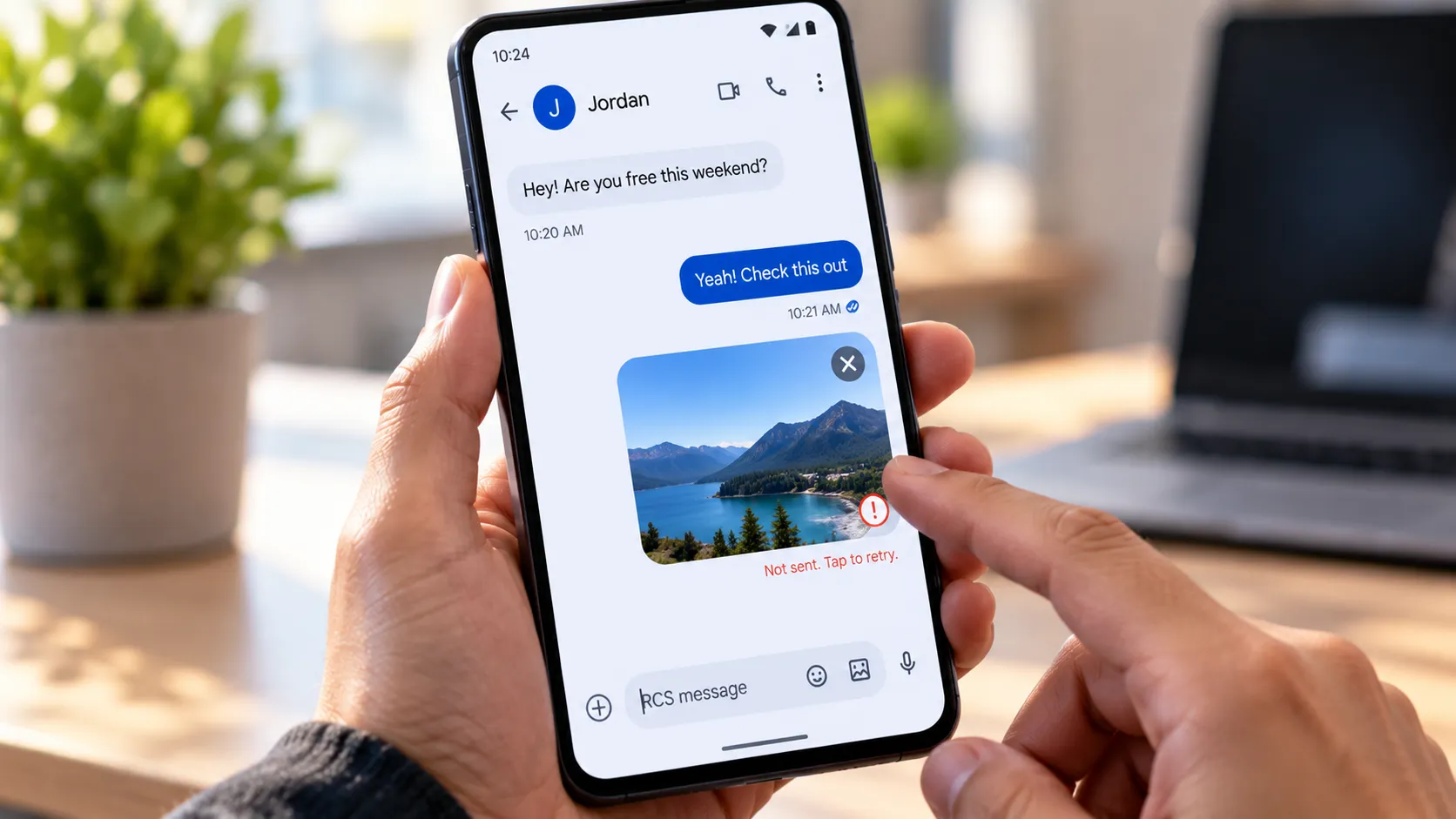
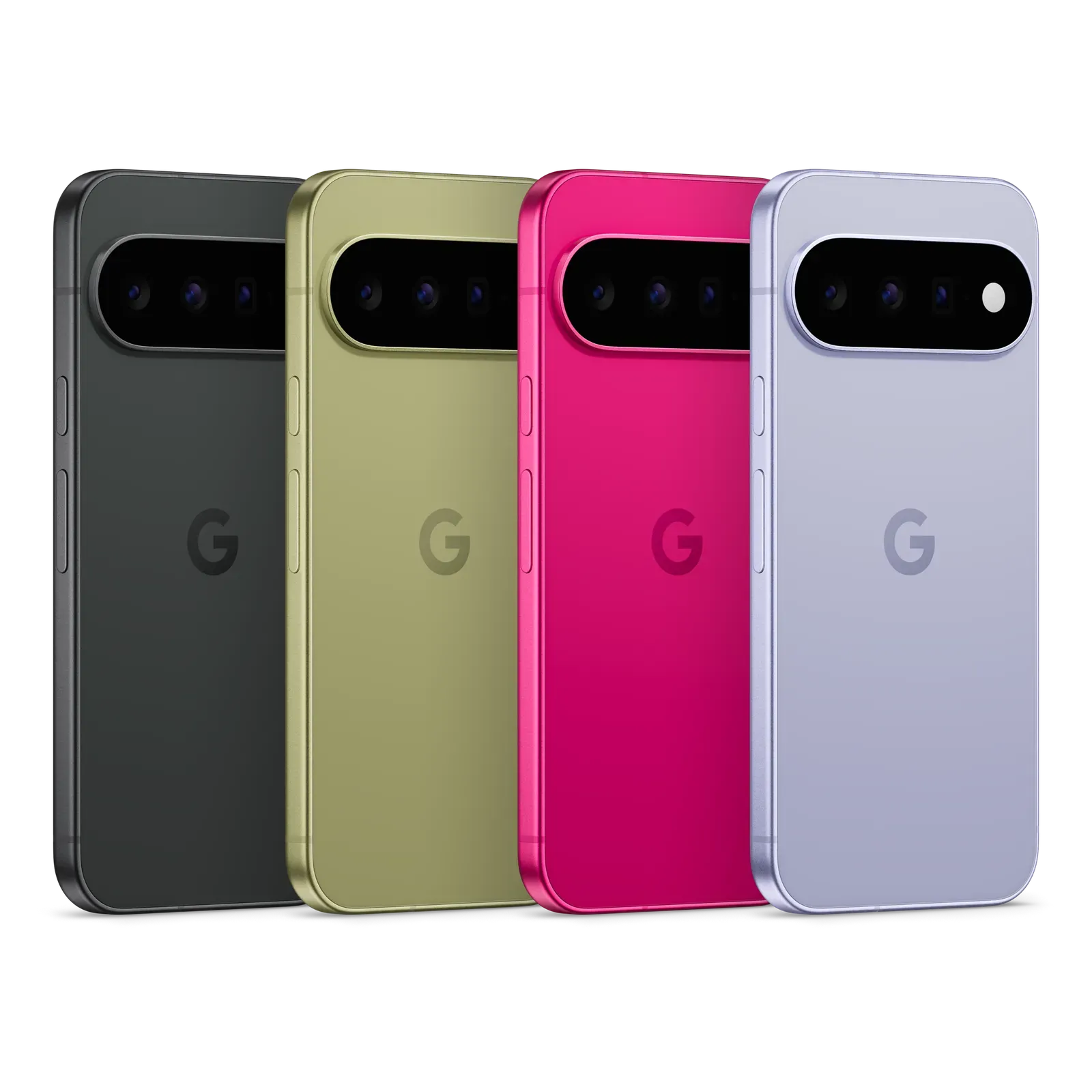
Kaspersky's summary of Google's stated purposes for a verified number spans several categories. For account security, a verified number can support quick sign-in, two-factor authentication, and password recovery. For messaging, it enables RCS in Google Messages and helps block calls or texts from spoofed numbers, when both the real owner and the recipient are Android users with verified numbers. For device safety, Kaspersky lists Find My Device, remote lock, and emergency location sharing, including satellite messaging on devices like the Pixel 9.
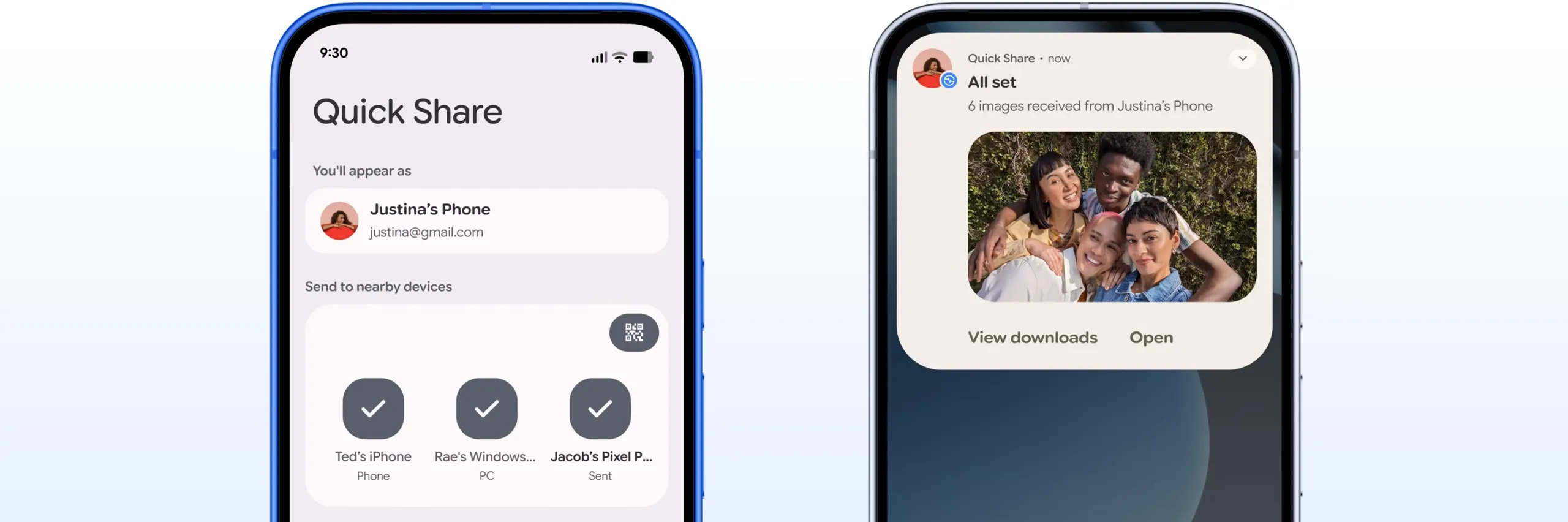
The same reporting says Google has confirmed this phone number data also helps counter scams, though no separate Google source is cited for that specific point here. A related setting, Better sharing on Google, uses a verified number to help people find each other through Google Meet or Quick Share, and to show that a number belongs to a person's profile.
What Google's own posts confirm about phone-based recovery
Google's security blog describes a separate feature, Sign in with Mobile Number, which automatically identifies a person's accounts using their phone number combined with the lock-screen passcode from a previous device, removing the password requirement during recovery, per Google's security blog, published last year.
That post shows that Google's recovery system can identify accounts through a phone number. It doesn't establish that Android writes a verified number into each account's visible recovery or contact-info fields, which is a narrower and more specific claim than anything in Google's own post.
What each Android setting can actually prove
It helps to separate three possibilities rather than treat them as one. There's the device-level check confirming a SIM is physically present. There's Google's internal ability to identify accounts from a number, which the Sign in with Mobile Number feature shows exists for recovery. And there's a phone number visibly listed in an account's recovery or contact settings, which is what a user would actually see and could remove.
Each setting on the phone answers a different question, and the research doesn't establish how they connect:
- The phone number verification toggle shows whether automatic verification is enabled for that account or device, but not how or where the underlying verification state is stored.
- The recovery-phone field in an account's security settings shows a number currently listed there, not how it got there, since recovery numbers can also be added manually.
- Better sharing on Google controls discoverability through services like Google Meet and Quick Share, but the research doesn't establish that it runs independently of the verification check.
Kaspersky's reporting on linked accounts says a verified number automatically links to both a personal and a work profile, or a personal and a family profile, on the same device, with no built-in Android tool to keep them separate. What "linked" means in that context isn't spelled out. It could describe an internal sign-in flag, a visible recovery-number field, or simply the discovery features listed above.
How to turn off Google phone number verification
Readers who want to check their own setup can follow the steps Kaspersky lays out. Open the phone's settings, tap Google, select an account, and switch to the All services tab. Under Privacy and security, tap Phone number verification and turn off automatic verification. If those labels are missing, the device may use a different menu path.
Users with Better sharing on Google enabled, which helps people find them through Google Meet or Quick Share, can turn that off separately. Go to Settings, then Google, then Manage your Google Account, then Personal info, then Contact info, then Phone, select the number, and disable the setting there.
If multiple Google accounts share one device, Kaspersky advises repeating both checks for each account rather than assuming one change covers all of them. That's a cleanup step based on current settings, not proof of which process added a number in the first place.
What turning off Google phone number verification reportedly changes
Disabling verification can remove RCS messaging access in Google Messages, meaning a fallback to basic SMS or a switch to a different messaging app, per Kaspersky. The reported Google phone number verification RCS trade-off is specific to that messaging feature, not the verification system as a whole. Disabling verification can also remove the ability to use that number for quick password recovery. These are reported effects that may vary by device, carrier, and Android version rather than guaranteed outcomes for everyone who flips the toggle.
The setting reportedly turns itself back on in some cases, with no reliable way to stop that on phones running stock Android software, per the same report. Turning off the toggle also doesn't guarantee that previously collected data gets deleted, according to Kaspersky.
Anyone disabling phone-based recovery should set up a backup option first. Google has been rolling out Recovery Contacts, which let a trusted friend or family member help verify identity if someone gets locked out, without giving that contact access to the account itself, per Google's announcement, from last year. The rollout is gradual, so check whether it's available on the account before relying on it.
The supplied reporting doesn't explain how any of this behaves on managed work profiles, dual-SIM or eSIM setups, or phones with multiple Android user profiles. Anyone in those situations may see different behavior and should check settings directly.
Kaspersky quotes Google as saying it doesn't sell phone numbers to anyone. Separately, the same report notes that this verification system makes it easier to link multiple phone numbers to a single user who has multiple Google accounts, a distinct claim from one number being linked across several accounts.
Users with separate personal and work accounts can inspect each account's phone number verification toggle and Better sharing setting before changing anything. The available reporting doesn't establish that a verified number is added to each account's visible settings.
Confirm a backup recovery method, such as a Recovery Contact or backup email, is already in place before disabling phone-based recovery. The claim that one number gets associated with every signed-in account is still worth watching for independent confirmation before anyone treats it as settled.






Comments
Be the first, drop a comment!