



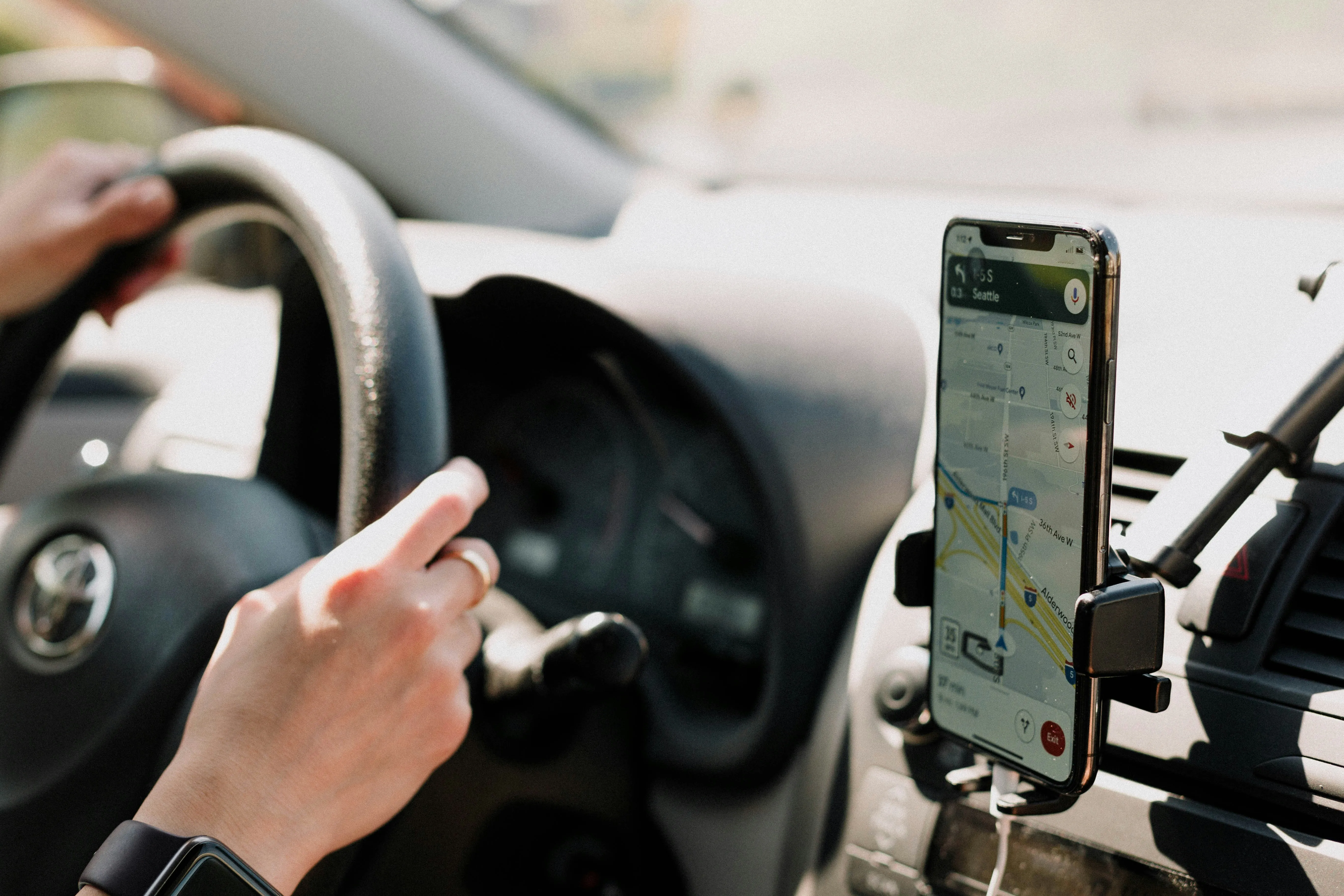
Google has officially launched Motion Assist, an Android 17 feature that displays motion-synced dots onscreen to help reduce nausea from using a phone in a moving vehicle. In its own materials, Google calls it Motion Assist and describes it as a way to bridge the gap between what a passenger's eyes see and the movement of the ride.
The feature draws on a phone's accelerometer and gyroscope to move small dots along the screen's edge in sync with the vehicle's motion. They shift left when the vehicle turns right, right when it turns left, and slide forward under braking.
Motion Assist first began appearing unevenly on Pixel phones in late August, according to Android Authority and MobileSyrup. Google then formally included it in the September Android Drop on September 1, describing it as available for phones running Android 17.
The feature is delivered through Google Play Services rather than a conventional Android system update. Earlier rollout reports showed Android 17 phones receiving it at different times, which explains why otherwise-similar Pixels did not all expose the setting simultaneously before Google's formal announcement.
How Google Motion Assist works
Once active, Motion Assist rings the screen's perimeter with dots that move in response to the vehicle's motion. The feature is intended to give the passenger's visual system cues that correspond to the movement being sensed by the body.
Google describes Motion Assist as designed to help reduce motion sickness, not eliminate it. Its current product page also cautions that results vary, that it may not work for everyone, and that a small percentage of users may experience worse symptoms.
Google also says Motion Assist should only be used by passengers, not by someone operating a moving vehicle.
Android Police describes the underlying technique as one that can reduce motion sickness triggered by reading a phone screen in a moving car. The cited reporting does not establish a specific clinical effectiveness rate for Google's implementation, so the safer framing is that reducing sensory conflict is the feature's intended effect rather than a guaranteed outcome.
Google isn't the first company to try this. Apple built a similar system, called Vehicle Motion Cues, into iPhones with iOS 18 in 2024. Similar concepts have also appeared on Android phones from manufacturers including Honor, Oppo, Vivo, and OnePlus.
Motion Assist is Google's own Android-level implementation of the idea, not the first time any Android phone has offered motion-sickness cues.
Google's version has a longer history than the current rollout suggests. Android Authority first spotted work on the feature, then called Motion Cues, in Google Play Services in late 2024 and activated an unfinished version that December.
That early build leaned on Android's "display over other apps" permission, which meant the dots couldn't render over protected system elements such as the lock screen, status bar, notifications, Quick Settings, or the volume panel.
Android 17 introduced system-level Motion Cues APIs that move rendering into SystemUI. The newer implementation can therefore display the cues across apps and system interface elements rather than relying solely on an ordinary app overlay.
How to check for Google Motion Assist on your phone
To find the setting, assuming it has reached your device, navigate to Settings > Your profile > All services > Personal & device safety > Motion Assist, according to late-August reporting.
From there, a toggle lets the phone detect vehicle motion and automatically switch Motion Assist on, while a Quick Settings tile allows manual activation without digging through menus. When it's running, a notification confirms that the feature is active and provides a quick way to turn it off.
Users can also adjust the dots' color, shape, size, and opacity, according to Ars Technica. Google's own September announcement specifically highlights shape, color, and opacity customization.
A randomization option can vary some of those visual settings automatically rather than requiring users to pick each one manually.
There's no separate Motion Assist app to download. Google distributes the feature through Play Services, while Android 17 supplies the system-level support the finished version relies on.
Why the Android motion sickness feature rollout looked so uneven
The unevenness was clear before Google's September 1 announcement. Android Police checked three phones, a Pixel 11, Pixel 11 Pro, and Pixel 11 Pro XL, in late August and found Motion Assist absent on all three.
MobileSyrup's reporting, published a day later, told a more scattered story. Members of Android Authority's Assemble Debug Telegram group reported seeing the feature on a Pixel 11 Pro XL, while MobileSyrup's own testing turned up nothing on a Pixel 11 Pro Fold or Pixel 10 Pro XL running Android 17.
Taken together, those reports showed real variation in access across similar hardware within a short window. Neither outlet identified why.
That early Pixel-only picture has since changed in one important respect. Google's September Android Drop does not describe Motion Assist as a Pixel-exclusive feature. Instead, the company says to try it on phones running Android 17, while Android Authority's September 1 coverage says the feature is expected to reach the wider Android ecosystem.
That doesn't mean every Android 17 phone will expose the setting at exactly the same time. Google still hasn't published a model-by-model eligibility list or detailed rollout timetable.
The earlier Pixel reports are therefore best read as evidence of the feature's initial rollout pattern, not as a permanent hardware restriction.
Motion Assist is now an official Android 17 feature, and the mechanics behind it, sensor data driving screen-edge dots, are documented clearly across Google's announcement and the reporting reviewed here.
What remains less clear is how quickly it will reach every eligible Android 17 device and how effective Google's implementation will prove across different users. Google's own warning that results vary is the most important limit to keep attached to the feature as the rollout expands.




Comments
Be the first, drop a comment!