



Google has thrown down the gauntlet in the computing world, and honestly, I'm both fascinated and slightly nervous about what's coming. The tech giant has officially confirmed that ChromeOS and Android will merge at Qualcomm's Snapdragon Summit, with Google's president of the Android ecosystem, Sameer Samat, confirming that the companies have "embarked on a project to combine" their different PC and smartphone systems. This isn't just another incremental update—we're talking about a fundamental reshaping of how we think about computing devices.
The new unified platform, internally dubbed "Aluminium OS," represents Google's boldest attempt yet to challenge the Windows-macOS duopoly in desktop computing. With Google confirmed that this venture would launch sometime in 2026, the timing is crucial—this ambitious move comes as the Chromebook market is projected to grow from $14.70 billion in 2025 to $42.85 billion by 2034, creating a massive opportunity window that Google simply cannot afford to miss.
What exactly is Google's Aluminium OS?
Let's break down what we know about this mysterious new platform. According to leaked job listings, Aluminium OS is described as an "Android-based" system "built with Artificial Intelligence (AI) at the core". This isn't just Android stretched to fit laptops—it's a fundamental reimagining of what a unified operating system can be in the AI era.
The platform will support multiple device categories, with listings showing device types including laptops, detachables, tablets, and boxes, organized into tiers called 'AL Entry, AL Mass Premium, and AL Premium'. Google's approach suggests they're not just merging systems but creating a scalable ecosystem that can intelligently adapt to different hardware configurations and use cases—something that could finally solve the age-old problem of platform fragmentation across device types.
What's particularly intriguing is Google's strategic partnership approach. Rick Osterloh, Google's senior vice president of devices and services, confirmed a partnership with Qualcomm on this new platform, describing it as "bringing Android to the PC market." This collaboration leverages Qualcomm's ARM architecture to enable efficiency improvements and extended battery life, potentially giving Google a significant competitive advantage in the race for all-day computing devices.
The transition strategy also demonstrates Google's learned lessons from past platform shifts. ChromeOS and "Aluminium OS" will co-exist for some amount of time, allowing for gradual migration rather than a jarring cutover that could alienate existing users. Plus, existing ChromeOS devices will continue receiving updates until their end-of-life cycle, providing the stability that enterprise customers demand during major platform transitions.
The AI revolution driving this massive change
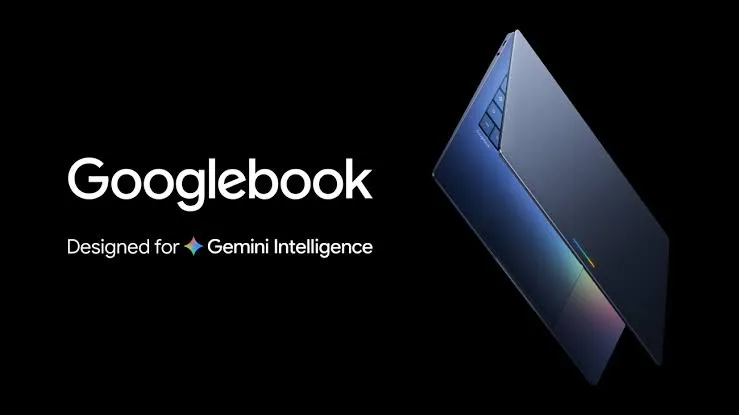
Here's where things get really exciting—and slightly scary. The push toward Aluminium OS isn't just about platform consolidation; it's fundamentally about positioning Google to win the AI computing race. Moving to the Android code base will mean Google can deploy its Gemini AI services on more devices, creating a more cohesive AI-powered computing experience that could rival Apple's ecosystem integration.
Current Chromebook Plus devices are already showcasing what's possible when AI becomes native to the operating system. Newer, more powerful Chromebooks now have image generation, text summarization, and more built into the OS. Features like Smart Grouping and Gallery Image Generation are running locally on devices, demonstrating Google's commitment to on-device AI processing that doesn't require constant cloud connectivity.
The first NPU-powered Chromebook exemplifies this AI-first direction. Lenovo's Chromebook Plus 14, includes MediaTek's Kompanio Ultra 910 processor capable of up to 50 TOPS. This represents a significant leap in local processing power, enabling features like automated task grouping and on-device image editing without cloud dependency—exactly the kind of computing power that Aluminium OS will need to deliver on its AI promises.
What's particularly impressive is how these AI features translate into genuine productivity gains. Smart Grouping helps users organize tabs, documents, and apps by category and is ideal for multitasking or project workflows. Meanwhile, Gallery Image Generation allows for easy on-device background removal, photo cleanup, and even creating personalized stickers. These aren't just tech demos—they're practical tools that demonstrate how AI integration can enhance rather than complicate the computing experience.
Why 2026 could be make-or-break for Google
The timing of this transition is crucial, and frankly, it's what keeps me up at night thinking about this launch. By 2026, the computing landscape will be dramatically different. Apple's continuing iPad dominance, Microsoft's aggressive AI PC push, and the emergence of new form factors mean Google is entering an increasingly competitive arena where the window for platform disruption may be rapidly closing.
What gives me hope is Google's methodical approach to addressing the historical pain points that have limited Chromebook adoption. The company is actively working to tackle five key friction points: application compatibility concerns, perception challenges, limitations for power users, internet connectivity dependence, and integration with legacy IT infrastructure. These aren't cosmetic changes—they represent fundamental shifts in how Google thinks about desktop computing and enterprise needs.
The technical groundwork being laid now suggests this isn't just wishful thinking. Google is testing desktop functionality for Android, including window management tools, multi-window support, and Linux terminal access. These features indicate that Aluminium OS will offer genuine desktop-class capabilities rather than just scaling up a mobile interface, addressing one of the biggest criticisms of previous Android tablet attempts.
The industry endorsement adds credibility to Google's ambitious timeline. Qualcomm CEO Cristiano Amon described early demonstrations as 'incredible,' stating it 'delivers on the vision of convergence between mobile and PC'. When a major silicon partner speaks this enthusiastically about unreleased technology, it suggests the technical foundation is solid enough to support Google's bold promises.
The enterprise opportunity that changes everything
Here's where my excitement really kicks in: the enterprise potential for Aluminium OS is absolutely massive. AI-enabled Chromebooks are gearing up to reset expectations for the Chromebook's viability in the enterprise, targeting specific use cases where cloud-native solutions excel and traditional PCs often create unnecessary complexity.
The performance improvements alone make a compelling case. Chromebook Plus devices typically offer 2x the processing power, memory, and storage compared to standard Chromebooks, while maintaining the security and manageability advantages that made ChromeOS attractive to IT departments in the first place. This combination of power and simplicity could be the sweet spot that finally breaks Windows' stranglehold on enterprise computing.
Google's targeting strategy demonstrates they understand the enterprise market better than ever before. Cloud-native information workers, frontline field workers, call-center and customer service agents, and remote workers are the ideal targets for Chromebook Plus adoption. These aren't niche markets—they represent millions of potential users who could benefit from a unified, AI-powered computing platform that just works without the complexity of traditional desktop operating systems.
What's particularly smart about Google's approach is how they're addressing the collaboration challenges that define modern work. Enhanced collaboration through AI-powered video conferencing tools (better lighting, noise cancellation, generative AI backgrounds, Live Translate) improve the experience in Google Meet, Zoom, etc. These features directly solve the hybrid work pain points that became prominent during the pandemic and continue to shape enterprise computing requirements.
The management and security value proposition remains compelling and could become even stronger with Android's mature ecosystem. IT departments benefit from ChromeOS's inherent security, easy cloud-based management via Google Admin Console, and lower total cost of ownership (TCO). In an era where IT budgets are under pressure and security threats are escalating, these advantages could prove decisive for organizations looking to modernize their computing infrastructure.
Where do we go from here?
As we approach 2026, I'm genuinely torn between optimism and concern about what Google is attempting. On one hand, Google's ultimate goal to replace ChromeOS with Aluminium OS represents the kind of bold, transformative thinking that could genuinely reshape computing. The potential for seamless device integration, powerful AI features, and simplified development could create the unified computing platform that users have been waiting for.
The execution timeline suggests Google is taking this transition seriously rather than rushing to market with an incomplete vision. The intervention represents Google's boldest attempt to disrupt established OS dominance, and the careful planning around coexistence periods and device support cycles shows they've learned from past platform transitions—both their own and the industry's.
But the execution risks are equally significant and keep me awake thinking about potential failure scenarios. Will Android's mobile-first architecture truly adapt to the complex workflows that define desktop productivity? Can Google maintain ChromeOS's legendary simplicity while integrating Android's complexity? The history of computing is littered with ambitious platform consolidation efforts that promised revolutionary experiences but delivered confusion and compatibility nightmares instead.
What excites me most is the potential for genuine innovation in how we think about computing across different form factors. If Google can deliver on the promise of a truly unified platform that scales intelligently from phones to laptops while maintaining the security and simplicity that made Chromebooks successful in education and specific enterprise use cases, we could be looking at a computing revolution that finally breaks down the artificial barriers between mobile and desktop experiences.
The next two years will be absolutely critical for Google's computing ambitions. They need to prove that Aluminium OS isn't just a rebranded Android tablet experience stretched across laptops, but a legitimate desktop computing platform that can compete with established players while offering something genuinely new. Success could reshape the entire computing landscape, while failure could set back Google's desktop ambitions for years. Either way, 2026 is shaping up to be one hell of a ride for anyone who cares about the future of computing.





Comments
Be the first, drop a comment!