





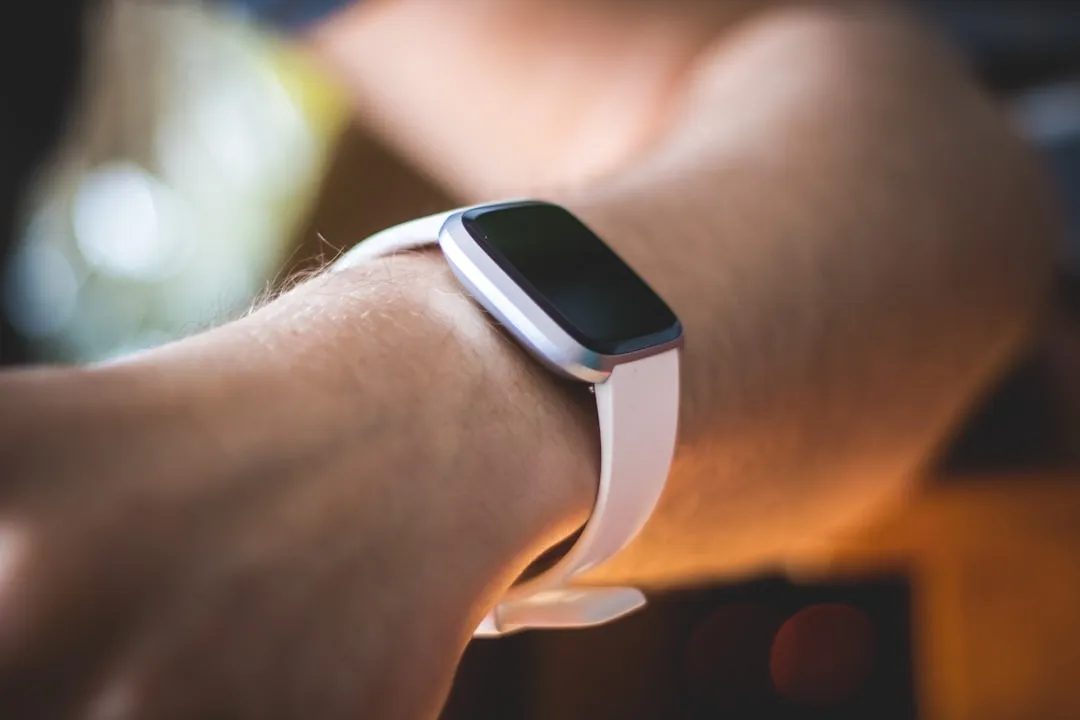
Fitbit Air Launch: Why the Real Product Is a Health Subscription
Google hasn't officially announced the Fitbit Air yet. The subscription built around it is already live across three storefronts.
Google Health Premium has appeared in the Fitbit app, Google Play, and the Pixel Watch 4's official product listing, priced at $9.99 per month or $99.99 per year, with no formal product announcement attached. Trusted Reviews reported last week that the subscription's presence across multiple Google storefronts suggests a reveal within the coming days. The listings are expected to accompany the Fitbit Air, a screenless fitness band that leaks suggest may retail for around $100, with a possible launch date of May 16, according to Android Police two weeks ago.
Without a screen, the band depends on the app to make sense of the data it collects. The listings suggest Google may be positioning the Fitbit Air less as a standalone tracker and more as an on-ramp to a paid health service.
What's confirmed so far
Three things are clear from the existing reporting. First, the subscription is real and priced: Google Health Premium is live in multiple storefronts at $9.99 per month or $99.99 per year, spotted in the Fitbit app by 9to5Google and confirmed in the Pixel Watch 4's official product listing, per Trusted Reviews last week.
Second, the Fitbit Personal Health Coach, which anchors the subscription, was announced by Google at the Pixel Watch 4 launch last August. Google stated explicitly that a preview would roll out to users of any Fitbit device or Pixel Watch in the U.S. That cross-device framing was the announcement, not a footnote.
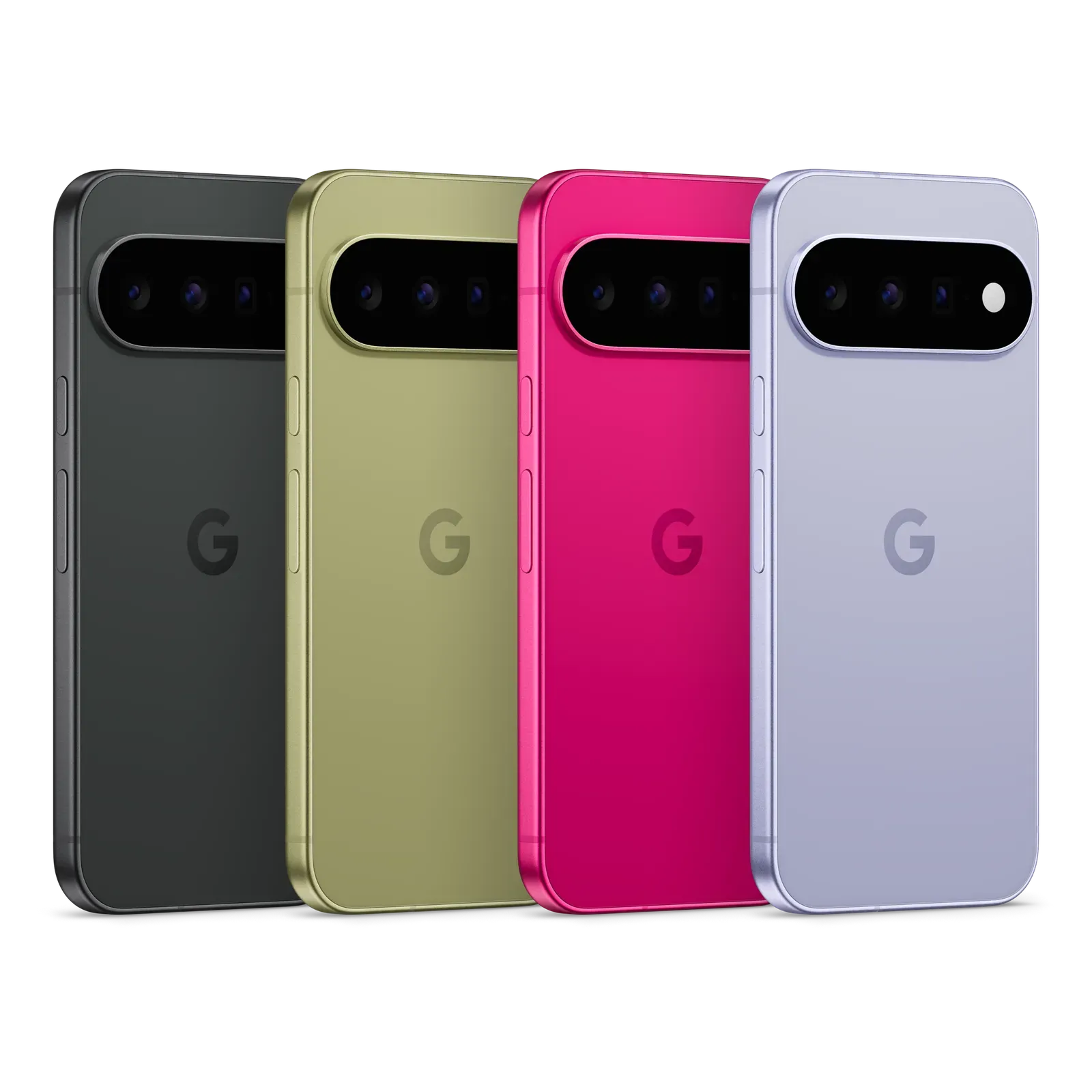
Third, the Fitbit Air itself remains unannounced. What's known about the hardware comes from leaks: Android Police reported two weeks ago that a supplier has priced the band at $93, suggesting a retail price around $100, and that Droid Life sources point to a May 16 launch in three colors: Obsidian, Lavender, and Berry. None of that is confirmed by Google.
The subscription is the product: what Google Health Premium actually includes
The Fitbit Personal Health Coach is a Gemini-powered AI tool that generates personalized training plans and answers workout questions conversationally, the way a human trainer might. At the Pixel Watch 4 launch last August, Google was explicit that the coach would be available to users of any Fitbit device or Pixel Watch, not just the new hardware.
The platform has grown considerably since then. As of earlier this year, Public Preview users in the U.S. can link medical records directly to the Fitbit app, syncing lab results, medications, and visit history across multiple providers and asking the AI coach questions informed by that data. Google announced in March that a CGM integration through Health Connect is also coming, letting users see how specific workouts or meals affect their glucose levels. Google states that medical records are not used for advertising and that users retain control over how their data is stored and deleted.
The accuracy work behind these features is incremental rather than sudden. Google's March update claimed a 15% improvement in sleep-staging accuracy for Public Preview users, building on an 18% gain in sleep-cycle classification that Google claimed for Pixel Watch 4 at launch last year. That's a record of iterative improvement, not a single announcement made to look like a platform.
Taken together, this isn't a workout library with a monthly fee. Google Health Premium is attempting to function as a cross-device health intelligence layer: fitness coaching, medical context, metabolic tracking, recovery scoring, all under one subscription. Whether buyers find that credible at launch is a separate question from whether the capability is real.
The pricing question current Fitbit Premium subscribers will ask first is a practical one. At $99.99 per year, Google Health Premium costs $20 more annually than the existing Fitbit Premium tier. Whether the new subscription replaces the old one, sits above it, or automatically migrates existing subscribers remains unconfirmed. That's not a minor detail for anyone already paying.
How the Fitbit Air stacks up against Whoop and why the math mostly favors Google
Whoop's model is worth understanding before comparing. The band comes free, but Android Police describes it as effectively useless without the subscription, which runs $200 per year. It's a model that has attracted serious athletes and built genuine credibility in the recovery tracking space. The annual cost has been the barrier.
Google's math looks different. A $100 band plus $100 per year puts the total first-year cost at roughly $200 and the recurring annual cost at half of Whoop's. Android Police noted that a lower price will help Google gain initial traction in this category.
Google also isn't starting from zero on recovery data. Fitbit launched its Daily Readiness Score in 2021, and by late 2024, Google had updated the underlying algorithm to incorporate HRV, resting heart rate, and two new standalone metrics: Cardio Load, which tracks how hard the heart is working during and between activities, and Target Load, which recommends daily activity based on current training status and readiness. Notably, Google chose to present these as separate, transparent metrics rather than folding them into a single score. The reason given was explicit: a combined score would be "something of a black box," per Google's own blog. That design decision directly addresses the criticism sometimes aimed at Whoop's recovery system.
Where Whoop still holds an edge is harder to manufacture: years of credibility with athletes who've tested those recovery scores against real training outcomes. Data trust in this category is earned over time, not announced at a press event. The pricing gap is real and immediate. Closing the credibility gap is a longer project.
The branding tells a meaningful story about where Google sees this going. Google Health Premium uses Google's own visual identity, a heart icon rendered in the company's signature color gradient, not Fitbit's branding. Trusted Reviews noted last week that this aligns the subscription with Google's broader product family rather than presenting it as a standalone Fitbit feature. Health services first, hardware second.
What the launch event will need to answer
Three questions remain open, and none have official answers.
The most important is what the Fitbit Air does without a subscription. For a device with no screen, the free feature floor isn't a footnote. It may determine whether the Air functions as a capable sensor or an expensive pedometer. Every serious review will ask this first.
The second is the relationship between Google Health Premium and Fitbit Premium. Does the new tier replace the old one? Are existing subscribers automatically migrated? Is there a hardware bundle? Trusted Reviews confirmed last week that none of these questions have been answered. They have direct financial consequences for anyone currently paying for Fitbit Premium.
The third is platform availability. Whether the Fitbit Air and Google Health Premium support iPhones or are restricted to Android hasn't been confirmed by Google.
What comes next
The subscription infrastructure is already live. The hardware may arrive May 16. If that date holds, Google I/O, opening just days later, becomes the venue where Google makes its larger argument: Fitbit as the health intelligence layer across the entire device family, not a standalone brand.
A screenless band priced at roughly $100 that relies on a subscription to deliver its core value isn't a stripped-down tracker. If the leaks are right, Google will have built an entry point into performance and recovery tracking that undercuts Whoop on annual cost while offering a broader health platform. Whether that argument lands will depend almost entirely on two things Google hasn't addressed yet: what the Air does without paying, and what happens to the people already paying.








Comments
Be the first, drop a comment!