





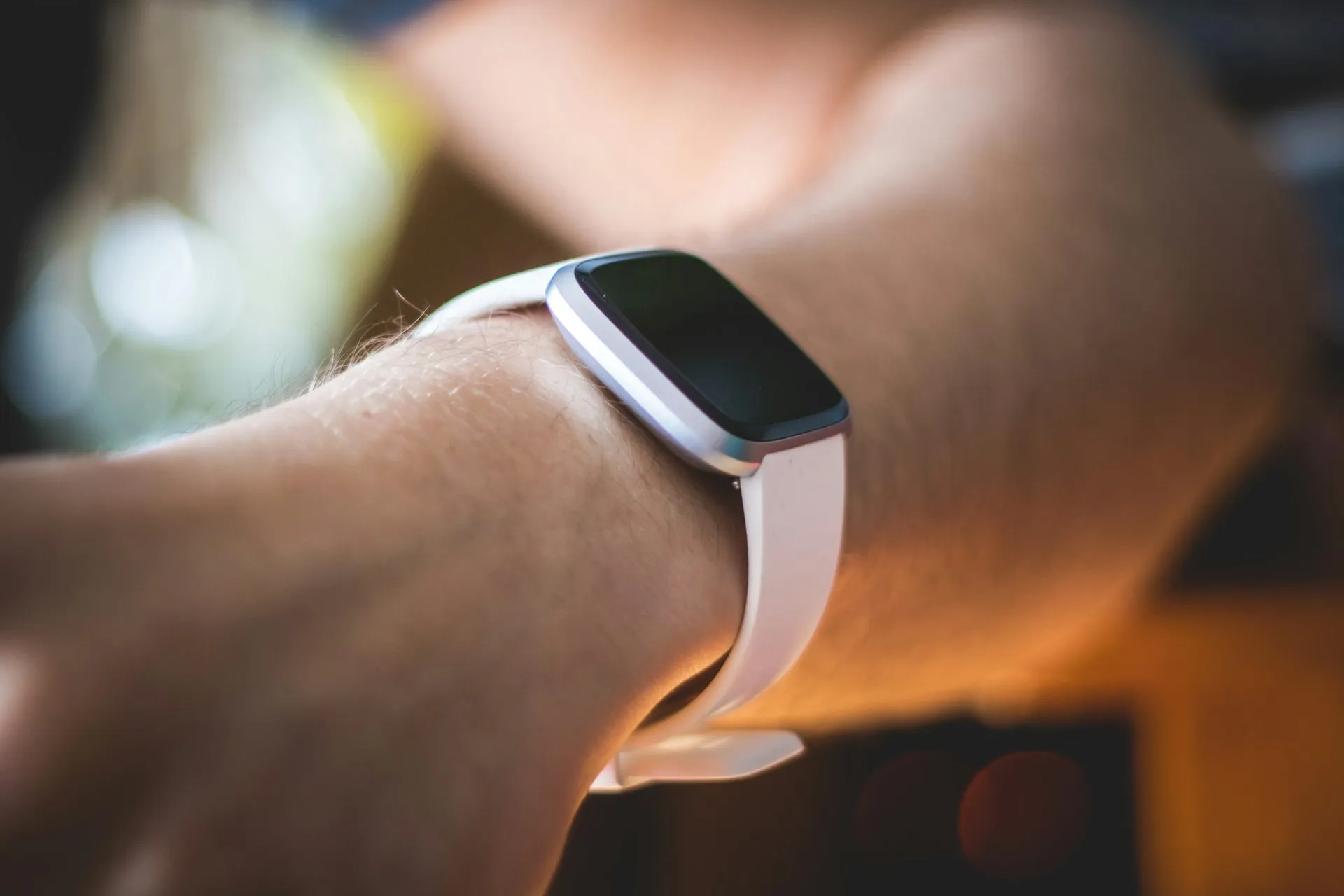
The smartwatch landscape is priming for a breakthrough year, with major platforms rolling out artificial intelligence features that promise to transform how we interact with wearable technology. The Android ecosystem appears positioned for significant momentum in 2026, driven by enhanced AI capabilities across Gemini, Fitbit, and Samsung Health platforms.
Google's aggressive AI integration strategy marks a pivotal shift for the entire wearable industry. Fitbit Premium received a complete redesign powered by personalized AI coaching, while Google is expanding Gemini functionality deeper into the Fitbit ecosystem. This could be the most significant evolution in wearable technology since heart rate monitoring—the transformation from passive data collectors into proactive health companions that understand context and provide actionable guidance.
What's driving the Android smartwatch renaissance?
The foundation for this growth stems from substantial software improvements across multiple fronts. Google has confirmed plans to launch new Fitbit hardware in 2026, marking the first major hardware refresh since the company's acquisition strategy shifted focus. This aligns strategically with AI-powered health features currently in preview, expanding to wider availability throughout 2026.
This coordination is a big transformation in wearable philosophy. Instead of simply recording metrics, these devices will analyze patterns across weeks and months to predict issues before they manifest—detecting overtraining, illness onset, or stress accumulation before users recognize the symptoms themselves.
Samsung's approach centers on transforming the Galaxy Watch into what they envision as a daily AI companion that guides users toward better health choices. The Galaxy Watch 8 introduces several compelling features that extend beyond traditional fitness tracking. Samsung AI integration includes sleep optimization and marathon training support, plus Google Gemini for virtual assistance.
The device's clinical-grade capabilities represent a significant leap forward—it can measure antioxidant levels for dietary recommendations and provides arterial health insights through a new vascular load metric. These measurements were previously available only in medical settings, democratizing access to sophisticated health monitoring.
How Gemini integration changes everything
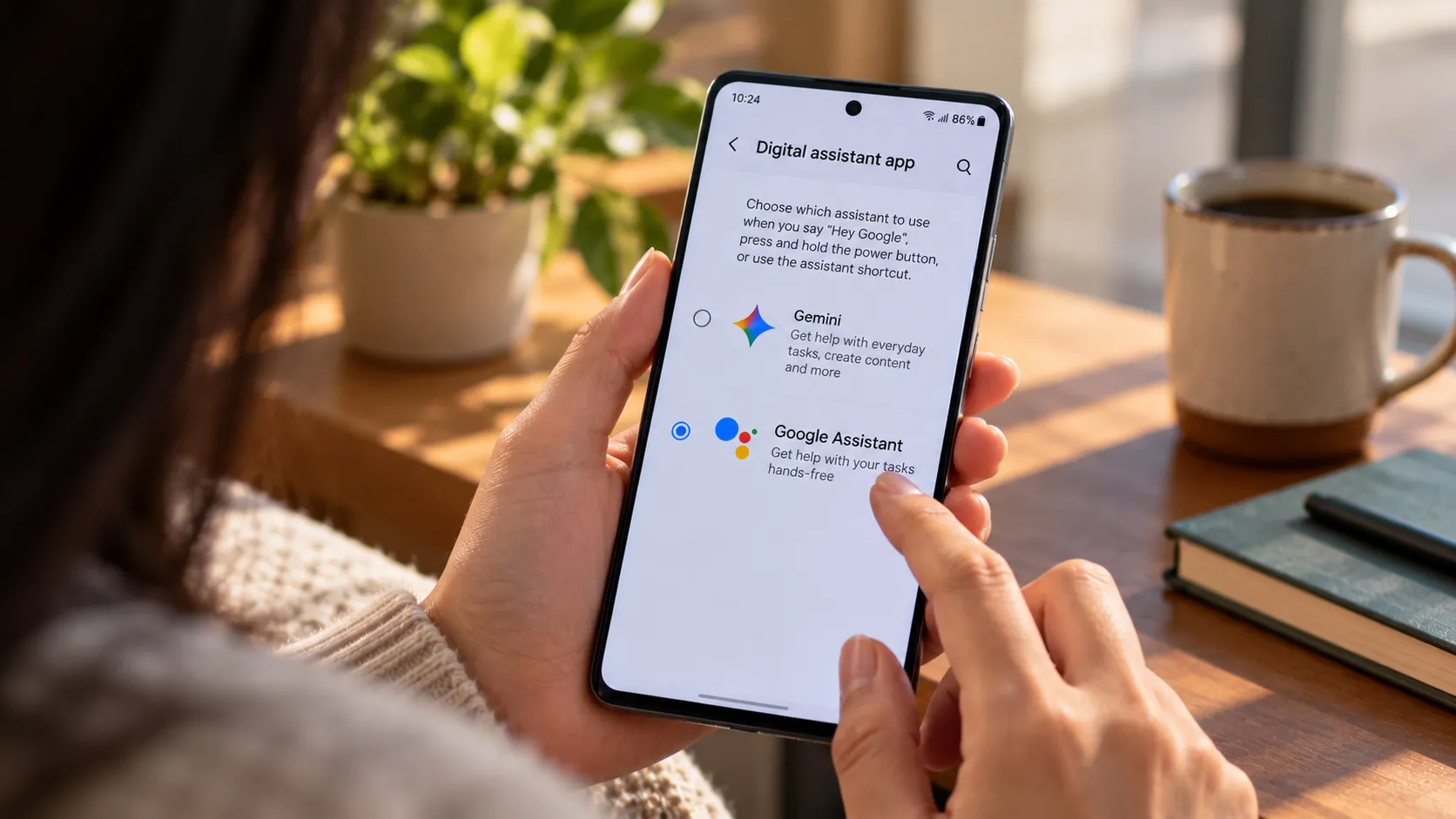
The integration of Gemini across Android wearables represents more than just a voice assistant upgrade—it's a fundamental rethinking of contextual computing on the wrist. Wear OS 6 positions itself as a significant leap forward, with Gemini replacing Google Assistant alongside a comprehensive Material 3 Expressive redesign.
The contextual awareness capabilities distinguish this from traditional smart assistants. Users can ask about restaurant reservations, with Gemini referencing Gmail for relevant information. This cross-platform data integration creates opportunities for predictive assistance that anticipates user needs based on calendar events, location patterns, and communication history.
Samsung's implementation promises deeper functionality that levels up health management behaviors. Samsung Health will enable users to get real-time insights by asking AI questions about their health and habits. This conversational approach transforms data interpretation from static charts to interactive analysis sessions.
The system can generate training plans for race completion and provide personalized nutrition advice with tailored meal plans and recipes. Success will depend heavily on execution quality, particularly regarding Gemini's effectiveness in recognizing commands, battery life impact, and whether it includes on-device processing capabilities.
Fitbit's AI-powered transformation
Fitbit's evolution represents perhaps the most dramatic change in the wearable space, reimagining the entire relationship between users and their fitness data. Google employs multiple Gemini models to power the renewed Fitbit Premium experience, with the service priced at $10 monthly or $80 annually for AI-powered health coaching and fitness planning.
The platform now plans weekly workout regimens and answers queries on comprehensive health and wellness topics. This goes beyond pre-programmed routines—the AI coach learns from user preferences, limitations, and goals to create genuinely personalized experiences that adapt over time.
The new Fitbit experience begins with a 5-10 minute conversation where the AI coach understands user motivations and goals. From there, it can build personalized, week-to-week plans that extend well beyond current daily AI running recommendations.
The system's contextual adaptability demonstrates practical AI implementation at its best. Users can request workout adjustments, like asking for a 30-minute upper body routine for hotel room exercises while traveling. This flexibility addresses real-world scenarios that static fitness apps cannot handle, potentially making AI coaching superior to many human trainers in terms of availability and responsiveness.
What challenges could derail this momentum?
Despite the promising developments, several concerns could impact adoption rates and user trust. Samsung's track record raises reliability questions that directly affect credibility in health applications. There was confusion last year with everyone receiving identical AGEs Index readings, highlighting accuracy concerns with measurement tools. When users make real health decisions based on device metrics, accuracy becomes a fundamental trust issue.
Additionally, Samsung's VO2 Max calculations have never felt particularly accurate, which could undermine confidence in new AI-driven health metrics. If users don't trust basic measurements, they're unlikely to trust the AI recommendations built upon them.
Market dynamics present additional challenges beyond technical execution. Samsung's global wearable market share declined from 8.8% to 7.5% year-over-year, while Apple doubled its sales to 15.5%, and Chinese brands Huawei (22%) and Xiaomi (19%) dominate the charts. The rumored Galaxy Watch 8 price increase could further complicate Samsung's position unless the AI features deliver compelling value that justifies premium pricing.
Battery life remains a persistent adoption barrier that could undermine even the most impressive AI features. The Galaxy Watch 8 maintains only one-day battery life despite being more expensive than previous generations. While Wear OS 6 promises up to 10% battery life improvements, the real-world impact of AI processing on battery performance remains uncertain. No amount of smart features can overcome user frustration with daily charging requirements.
Where does this leave the competition?
The Android ecosystem's AI push occurs within a broader industry transformation toward intelligent wearables. Wearable technology ranks as the top fitness trend for 2026 according to thousands of fitness professionals, and has held the number one position for 9 of the last 11 years.
This sustained dominance reflects market maturation, with nearly 1 in 3 Americans now using wearable devices to track health and fitness. Consumers are moving beyond basic step counting toward devices that provide meaningful health insights and behavioral change support.
The key differentiator will be execution quality and user trust rather than feature lists. Google aims to evolve its platform from passive fitness tracking into proactive, AI-driven wellness companionship. Success depends on whether users embrace AI coaching as helpful guidance or reject it as intrusive nagging. The balance between assistance and autonomy varies significantly among individual users.
Samsung needs to convincingly demonstrate that its AI tools are reliable, especially if implementing AI subscription charges. The market faces increasing subscription fatigue, making it crucial that wearable AI provides demonstrable value beyond initial novelty. Users need compelling reasons to add another monthly payment to their growing list of digital subscriptions.
The Android smartwatch ecosystem appears positioned for its strongest year yet, but the ultimate test will be whether these AI innovations translate into meaningful behavioral change and user retention. With Wear OS 6 rolling out this summer, starting with Pixel Watch and Galaxy Watch devices, 2026 will determine whether Android wearables can challenge Apple's dominance through superior AI integration rather than feature parity alone.
Bottom line: the technology foundation looks promising, but market success depends on execution quality, user trust, and the ability to deliver genuine value that justifies both the cost and the learning curve of AI-powered health management.







Comments
Be the first, drop a comment!