





Android Auto Beta Sign Up for v16.7: Fixes, Risks, and How to Join
Google has pushed Android Auto v16.7 to its beta channel, and the Play Store Android Auto beta sign up page is currently accepting new testers. That window has closed before without warning. When capacity fills, Google's support page notes users simply stay on stable until the next cycle opens, no queue, no notification when spots return. A Google support community thread from late 2024 documents users hitting exactly that wall.
Version 16.7 ships with no user-facing changes, Android Police reported last month. The update should address some bugs that have been frustrating users for a while, though there's no guarantee it closes every outstanding issue, and stable rollout will proceed on Google's own timeline, Android Police noted.
Should you join the Android Auto beta program?
Beta builds can be less stable than production releases, per Google's official documentation. For most apps that's a tolerable trade-off. For software you're running while driving, it's a different calculation. A bad build can drop navigation mid-route, cut hands-free calls, or kill audio controls on the way to work.
The program is also limited to Android phones paired with compatible head units, with availability varying by country. Google's requirements page lists supported hardware and markets, and it's worth checking before enrolling, especially outside major regions.
Users already dealing with active, recurring Android Auto problems, persistent connectivity failures or broken steering wheel controls, have more to gain from beta access than users on a setup that's running cleanly. If Android Auto works reliably and there's no fallback if it doesn't, waiting for stable is the lower-risk path.
How to complete the Android Auto beta sign up
The process takes about two minutes. The opt-in page is the only variable.
- Open the Play Store beta opt-in page for Android Auto, tap "Become a tester," then update Android Auto through Google Play to pull the beta build, per Google's instructions.
- Only one version of Android Auto can run on a device at a time. If enrollment is at capacity when you check, the app stays on stable and there's no queue. You'd need to check back manually when the next cycle opens, Google notes. The available data confirms intermittent capacity limits but not a fixed slot count.
- Leaving is as simple as joining: a dedicated opt-out page returns you to the stable channel immediately.
One enrollment detail that makes participation more useful than it used to be: beta testers no longer need to enable Developer Mode to file bug reports, per Google Support. Long-pressing the status bar while connected triggers a report, which you complete on your phone when parked. That's a real improvement. Testers can now feed Google failure data without digging through developer settings, which pushes fixes toward stable faster.
What 16.7 may fix and what it won't
Version 16.7 has no visible additions. The beta's practical interest comes down to whether it delivers reliability fixes before the stable track catches up.
There's one concrete case that shows what that gap can look like. When Android Auto 16.0 rolled out in early February with a redesigned media player, it broke steering wheel controls for a significant number of users almost immediately. Version 16.1 later beta releases seem to have fixed the problem, and that version subsequently rolled out on stable, 9to5Google reported in early February. Beta testers had working controls while everyone on stable was still affected. That's one example, not a guaranteed pattern.
Connectivity problems have proven harder to close out. A late-March patch targeted failures affecting Pixel and Samsung Galaxy S26 users specifically, but Galaxy owners continued reporting connection issues even after that update, Android Police noted last month. Those problems appear unresolved on stable. Whether 16.7 changes that is, per Android Police, uncertain.
The broader frustration is Google's rollout pace. Gemini for Android Auto was first announced in May 2025, with Google confirming rollout plans in November 2025. As of late January, roughly 92% of nearly 7,200 respondents in a 9to5Google reader poll said it still hadn't reached them. A feature confirmed for rollout six months prior, still missing for nine in ten users. That's the stable-track timeline bug fixes are competing with.
The other thing in 16.7 (that isn't live yet)
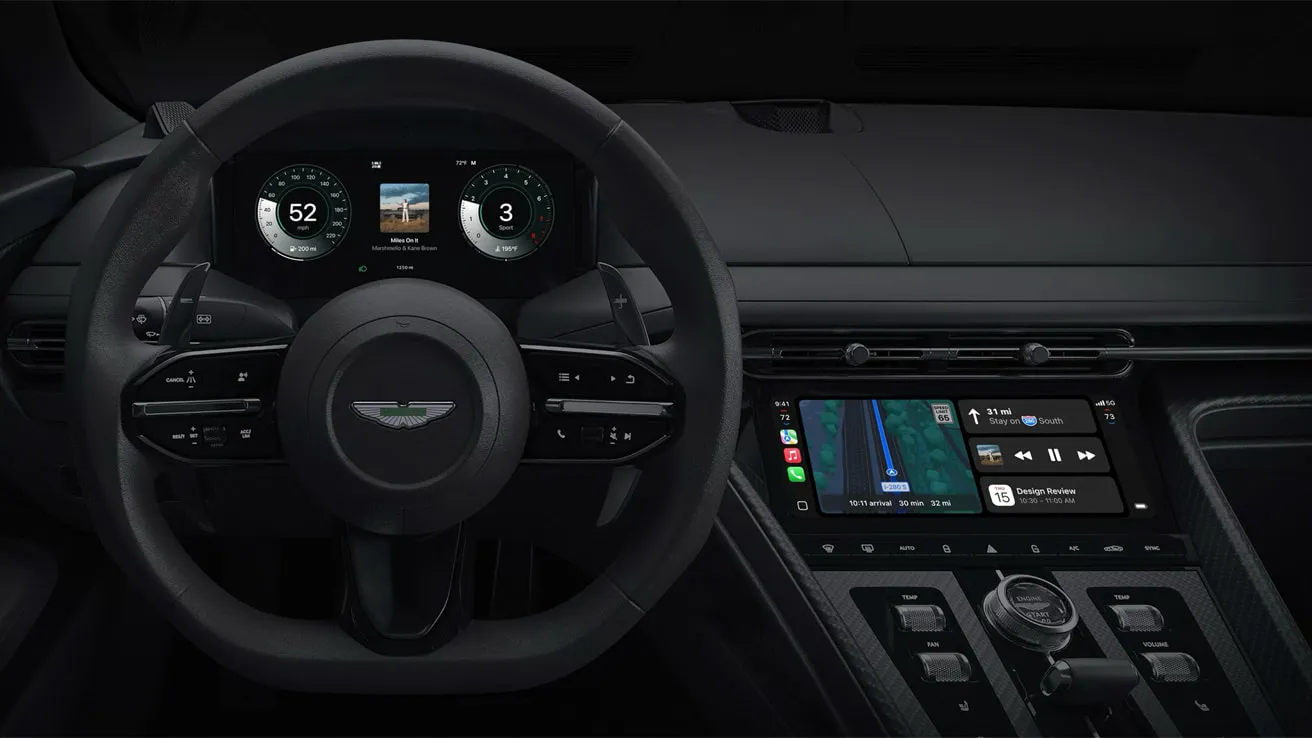
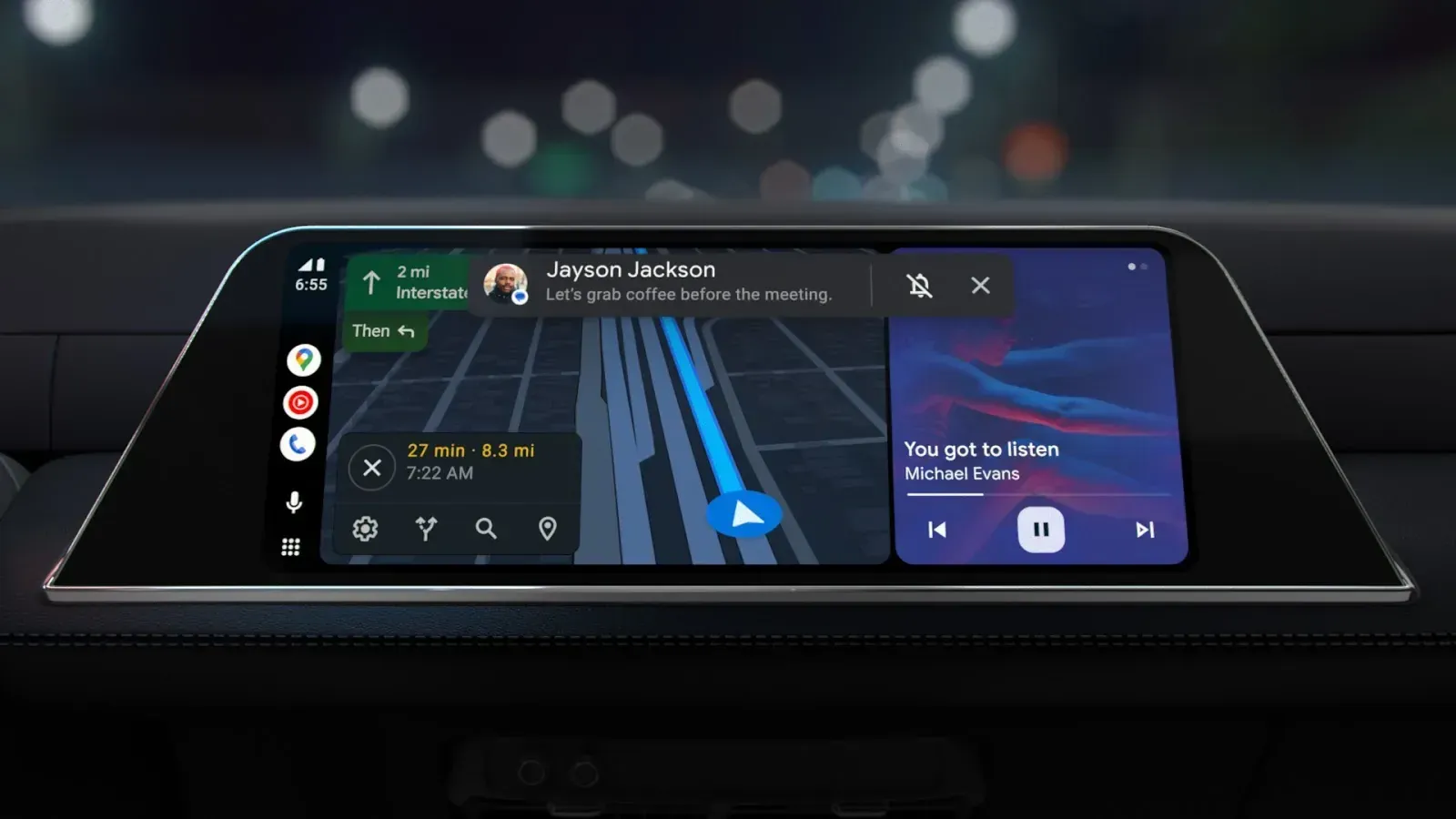
Android Authority found dormant code for HVAC controls in the 16.7 beta climate settings displayed on the left side of the infotainment screen, with larger and better-spaced buttons. The feature requires manual activation and is not live for testers, Android Police reported last month.
This fits a pattern that goes back at least to the 14.0 beta in March 2025, which contained dormant code for front and rear defrost toggles that never shipped. More than a year later, vehicle climate integration remains unfinished. The 16.7 HVAC code confirms Google is still working toward deeper vehicle integration. It isn't a reason to join the beta.
The bottom line on enrolling
The beta is open, 16.7 is the current build, and the program has closed before without notice. None of that is manufactured urgency it's just how the program operates.
For users dealing with persistent connectivity failures or broken steering wheel controls, the Play Store opt-in page is worth a look. The 16.1 steering wheel case shows beta can deliver fixes ahead of stable, reporting a bug no longer requires Developer Mode, and opting out is immediate. For anyone whose Android Auto runs cleanly day-to-day, stable is the safer call. The same fixes will get there eventually though based on Google's rollout pace, eventually can mean months.












Comments
Be the first, drop a comment!