



Google has introduced a feature called Create My Widget that lets Android 17 users describe what they want on their home screen in plain language and receive a fully built, resizable widget in return. The feature is part of Gemini Intelligence, a system-level AI layer Google previewed at The Android Show earlier this month, and it begins rolling out on select Samsung Galaxy and Pixel phones this summer.
The difference from ordinary widgets is structural. Today's Android widgets are built by app developers and delivered as fixed templates. With Create My Widget, the widget's layout and content are determined by what you ask for, not by what a developer decided to build in advance.
That distinction is also Google's strategic argument. By embedding Create My Widget into the OS rather than shipping it as a standalone app, Google is presenting Gemini as infrastructure that shapes the Android interface itself. The summer rollout will be the first real test of whether that architecture holds up in daily use.
What Android 17 widgets actually do
The creation flow, as Google demonstrated it, starts with a natural-language prompt. Ask for a widget that suggests three high-protein meal prep recipes every week, and Google showed it building a custom dashboard you can add and resize on the home screen. Ask for a weather view that only shows wind speed and rain, and the widget surfaces exactly those stats, per Google's announcement.
These Gemini-powered Android widgets are not decorative. Google's meal-prep example is prompted to suggest recipes weekly. Google frames the intent as reducing the need to open apps for information you check repeatedly. That broader positioning comes from Google's own announcement and hasn't been independently tested.
The practical shift in daily use is straightforward. Getting three specific weather stats today means opening an app, scrolling past its default layout, and finding what you want. A custom Android home screen widget built with Create My Widget puts those stats on the home screen, updated automatically. The app visit becomes optional rather than required.
Reports characterize this as generative UI widgets designed to pull from multiple data sources and combine them into a single interface. That framing reflects the system's stated architecture; the specifics of which apps Gemini can access and how data is combined have not been detailed publicly.
Why home-screen real estate already matters
Before the AI layer arrives, there's evidence that widgets improve outcomes on their own. Gratitude, a mindfulness app, reported 25% higher retention among users who engaged with its home screen widget compared to those who didn't, according to a case study. One developer's data isn't a universal finding, but it points to a real dynamic.
Divij Gupta, the developer behind Gratitude, described the widget as providing "quick inspiration, reminders, and reflections directly on the home screen" that kept users consistent without requiring them to actively return to the app. The home screen as ambient presence, not just a launcher.
That's the baseline Create My Widget is building on. The retention case suggests the instinct is sound. Whether AI-generated, user-specified widgets extend that pattern is what the summer rollout will actually answer.
Gemini at the system level: the cross-device picture
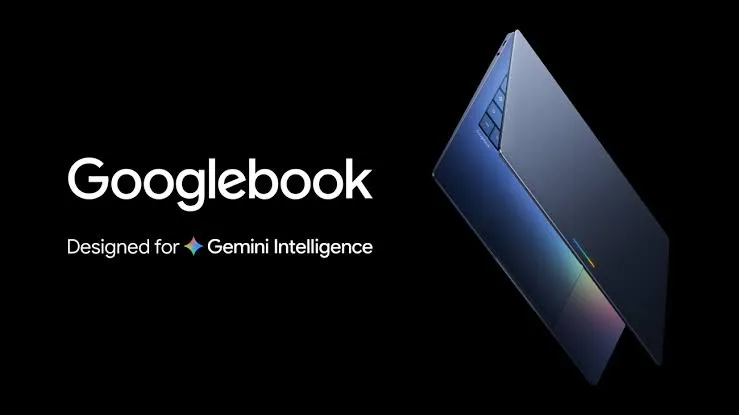
The cross-device behavior is where Create My Widget's scope becomes clearer. Google's announcement confirms the feature works on both a Gemini Intelligence-powered Android phone and a Wear OS watch, making the same user-defined information accessible across screens. Business Standard also reports widget syncing extending to Android Auto. Google says Gemini Intelligence is coming to phones, watches, laptops, and cars; some coverage also reports glasses.
Google is positioning this as a shift from operating system to what it calls an "intelligence system," where tasks are handled across apps and surfaces rather than inside individual applications. Custom widgets are the most visible user-facing example of that shift, something you can point to on the home screen and explain.
The contrast with Nothing's Essential Apps sharpens the point. Nothing introduced AI-generated widgets through its Playground platform, letting users describe a widget in natural language and have it appear on the home screen. That was a genuine first. But Nothing's implementation runs in a controlled sandbox with restricted permissions covering calendar, location, and contacts, and it stays on the phone.
Android 17's widgets are built as part of the OS itself; because they're powered by Gemini, they can potentially pull from multiple apps and combine different data sources. Nothing showed the concept was viable. Google is arguing it should be platform infrastructure.
What's confirmed, what's coming, and what's still open
This summer, on qualifying devices: Create My Widget arrives on Samsung Galaxy and Google Pixel phones as part of Gemini Intelligence, with availability varying by device, country, and language.
Later this year: Gemini Intelligence features expand to watches, cars, glasses, and laptops. Specific device lists, regional availability, and whether any of this requires a paid Gemini subscription tier have not been disclosed.
Three questions that will determine whether this is actually useful:
Data access and privacy: Google has not detailed which apps Gemini can draw from, whether processing happens on-device or in the cloud, or how users control what data a widget can reach. For a feature built around personalization, that gap is conspicuous.
Reliability: No independent testing exists yet. Whether these widgets surface accurate, current information consistently, or break on edge cases, produce hallucinated content, or affect battery life, is unknown.
Developer access: It's unclear whether third-party developers can integrate their services into Create My Widget, or whether the feature operates outside traditional widget APIs. If it's the latter, it could reduce direct app engagement in ways developers will want to understand.
These are the questions to track when hands-on coverage arrives. Privacy disclosures, developer documentation, and independent testing will do more to answer them than any announcement language.
What's already confirmed is a home screen that can generate a custom, resizable widget from a plain-language description, updated automatically, aimed at reducing routine trips into apps. The broader architecture Gemini as connective tissue across the Android ecosystem rather than a feature inside any single app is visible in how Create My Widget is built. Whether that architecture delivers in practice is what this summer's release will test.




Comments
Be the first, drop a comment!