



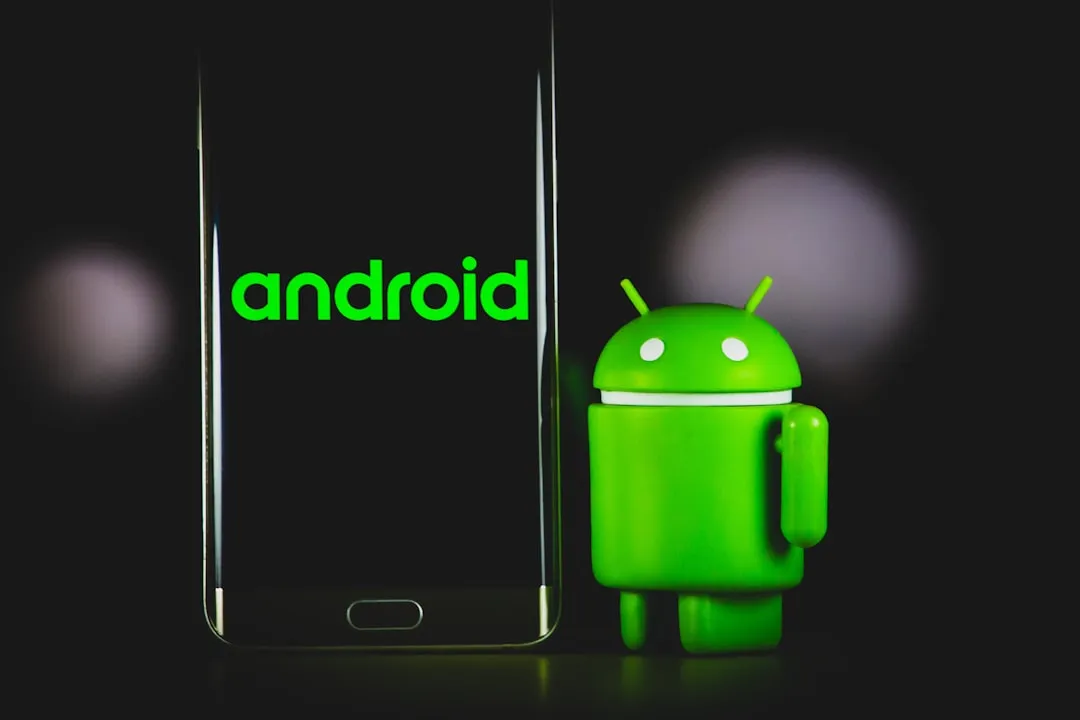
Android 17 Updates Have Lost Their Magic, But Security Gaps Are Worse
Android 17 dropped on Pixel devices two weeks ago, and the reaction was mostly a shrug. If you think Android 17 updates have lost their magic, you're half right but you're looking at the wrong problem. The visible additions are real and useful. What's actually broken is what happens after Google ships the update: the long, uneven, often indefinite journey it takes to reach the 3 billion Android devices it's supposed to protect.
One writer at Android Authority described picking up their Pixel 10 and forgetting it was running the latest version, the visual experience being nearly identical to Android 16 and 15. That's not a bug in the release. It's the predictable result of how Google now delivers software continuously, outside the annual version cycle, spread across Pixel Drops and Play system updates throughout the year. The annual number has been demoted from headline event to technical milestone. That's defensible. What's harder to defend is what happens next, when Android 17 and its security improvements have to travel through an ecosystem that delivers them inconsistently, late, and in some cases not at all.
Why Android 17 vs Android 16 looks like a tie
To understand why Android 17 feels incremental, you need to understand where the visible improvements actually went.
The older release model had a rhythm. Google accumulated a year of development, shipped developer betas in spring, and dropped the stable release alongside new Pixel hardware in the fall. Features arrived in one visible event, and the version number meant something.
That model has been deliberately set aside. Android Authority noted today that Google stopped holding improvements for the annual cycle new capabilities now ship through Pixel Drops, Google Play system updates, and app-level changes as they're ready. Android 17 inherits what remains after continuous delivery has already distributed the more visible improvements: platform-level changes, security architecture, and developer APIs. The annual upgrade becomes the less glamorous half of a split.
Google's feature post lists what that looks like in practice: floating app windows via Bubbles, a refreshed screen recording tool, app memory limits to reduce background waste, temporary precise location permissions, selective contact sharing, and a biometric lock for lost devices through Find Hub. Useful refinements. None of them change how most people use their phones day-to-day, which is exactly why the Pixel 10 feels familiar.
Platform maturity fills in the rest. Android is over 18 years old. At that age, Android Authority argues, expecting annual reinvention is simply the wrong frame. What a grown operating system should deliver is reliability, performance, privacy, and security. Android 17 delivers on that. The version number looking quiet compared to Android 16 is the system working as designed.
Part of the engineering foundation that made this delivery model possible is Project Treble, introduced with Android 8.0. A Google engineering paper from late 2024 describes how Treble separated Android's hardware-independent framework from device-specific vendor code, allowing different layers of the OS to be updated independently rather than requiring the entire software stack to move as one unit each year. That architectural separation is what enables granular, ongoing delivery. Android 17 feeling quiet is, in part, Treble working.
The problem is not the ambition of the release. It's the pipeline through which those improvements actually reach users.
What "getting Android 17" actually means across the ecosystem
Android 17 is live on Pixel 6 and newer devices now. For everyone else, "throughout 2026" is the official window, per TechRepublic a deliberately vague timeline that depends entirely on each manufacturer. Several major OEM partners including OnePlus, Xiaomi, and OPPO can currently only run beta builds through separate OEM channels, not the stable release. Android no longer ships as a single coordinated event. It arrives in waves, with a gap between the Pixel version and everyone else that can stretch across most of a calendar year.
The delay is structural. A 2025 ACM study found that integrating AOSP changes into a vendor's customized Android variant routinely produces merge conflicts requiring architectural-level resolution, not simple code patches. Each OEM is performing a custom software integration project with every major Android release. That takes time, and users bear the cost.
Version upgrade delays are only part of the picture. The more consequential gap is security patch cadence. A 2024 NDSS analysis covering 599 devices across four major OEMs found that Android devices don't hold a single support tier across their lifetimes they cycle through monthly, quarterly, and biannual security update schedules as they age, before eventually reaching end-of-life. The average release delay for Samsung devices was 140 days from Google's patch publication; for devices on quarterly or biannual schedules, delays to the end user extend 41 to 63 days further. For some devices nominally still under support, the research found delays reaching 300 days. The version number and the security patch level are measuring completely different things, and for most Android users, the patch level tells the less comfortable story.
When updates stop: the security cost of a slow ecosystem
Delayed patches are not an abstract inconvenience. An unpatched device accumulates vulnerabilities on a predictable curve.
The NDSS research estimated that by 2020, more than one billion Android devices were receiving no security patches at all. For devices that have lost support entirely, the exposure grows fast: roughly 76 known vulnerabilities in the first quarter without patches, reaching around 382 after two years. Supported-but-delayed devices face a different but related problem patches that exist but haven't arrived yet, leaving a window that attackers can and do exploit.
The nature of those vulnerabilities makes the timeline matter. The same research found that 89% of the vulnerabilities affecting unsupported devices require no action from the user to exploit, and 27% can be triggered remotely with minimal attacker effort. Not a theoretical worst case the average across a large device dataset.
The Samsung Galaxy Z Fold3 is a useful illustration of what end-of-support looks like in practice. After its support window closed, it accumulated 142 known CVEs, six of them rated critical. All six could be exploited remotely without requiring any user interaction. No phishing link, no malicious app download just exposure.
Google's own devices, within the NDSS dataset, tell a different story: every Pixel in the study received monthly security patches on schedule, with no missed patch levels, throughout the study period. Android 17 extends that track record with enhanced threat detection, tighter PIN guess limits, biometric device locking, and selective contact sharing, per Google's feature post. Those protections are meaningful but only as fast as they arrive. For Pixel users, that's promptly. For most Android users, it depends on who made their device and how old it is.
What this means if you're not on a Pixel
The fair counterargument is that major OEMs have improved. The NDSS paper notes that Samsung announced multi-year security update commitments for select device lists in 2021 and 2022. That's genuine progress. But the same research identified a specific gap: only Google provides a guaranteed, publicly disclosed support end date for all its devices. Most OEMs, even those that have made long-term support commitments, do not specify end-of-support dates at the individual device level. A press release promising multi-year support and a guaranteed date on your specific model's spec sheet are not the same thing.
Gemini Intelligence integration in Android 17 is also expected later on select advanced devices, though TechRepublic noted that Google has not specified which non-Pixel models will qualify. That's a reasonable signal for how the rest of the feature trickle works: Pixel first, other devices on an unspecified schedule, some capabilities possibly never.
For anyone buying or keeping an Android phone, three questions now matter more than version numbers. First: does this device have a published support end date with a specific month and year? Second: does it receive monthly security patches, or quarterly or biannual and has that actually been the case for the past year? Third: does "eligible for Android 17" appear in the manufacturer's documentation, or just in a vague rollout window?
Android 17 being incremental is the right outcome for a platform at this stage. The annual version number meaning less is the intended result of continuous delivery done well. Neither of those things is the problem. The infrastructure meant to keep billions of Android devices protected remains opaque, inconsistent, and largely outside any user's control and a well-designed annual release doesn't fix that. Shopping for update policy transparency, rather than version-number excitement, is the adjustment worth making.





Comments
Be the first, drop a comment!