



Android 17 QPR1 Beta 6 Desktop Windowing: Key Changes Explained
Google this week began rolling out Android 17 QPR1 Beta 6 to eligible Pixel devices, with the most notable changes landing in desktop windowing: taskbar icons have moved from bottom-center to bottom-left, and picture-in-picture windows now float freely instead of snapping to screen edges. Neither change is dramatic on its own. Taken together, they continue a visible pattern of iteration on a feature that first appeared in Android 16 QPR3, according to heise.
Build CP31.260618.005 also introduces platform stability for Android 17 QPR1, meaning the API surface is now locked and developers have a defined target for integration work, heise reports. Android Authority framed the desktop windowing improvements as the headline additions, while heise characterized the release more broadly as minor optimizations. Both readings are accurate; the desktop changes are just the ones that suggest where Google may be taking this feature long-term.
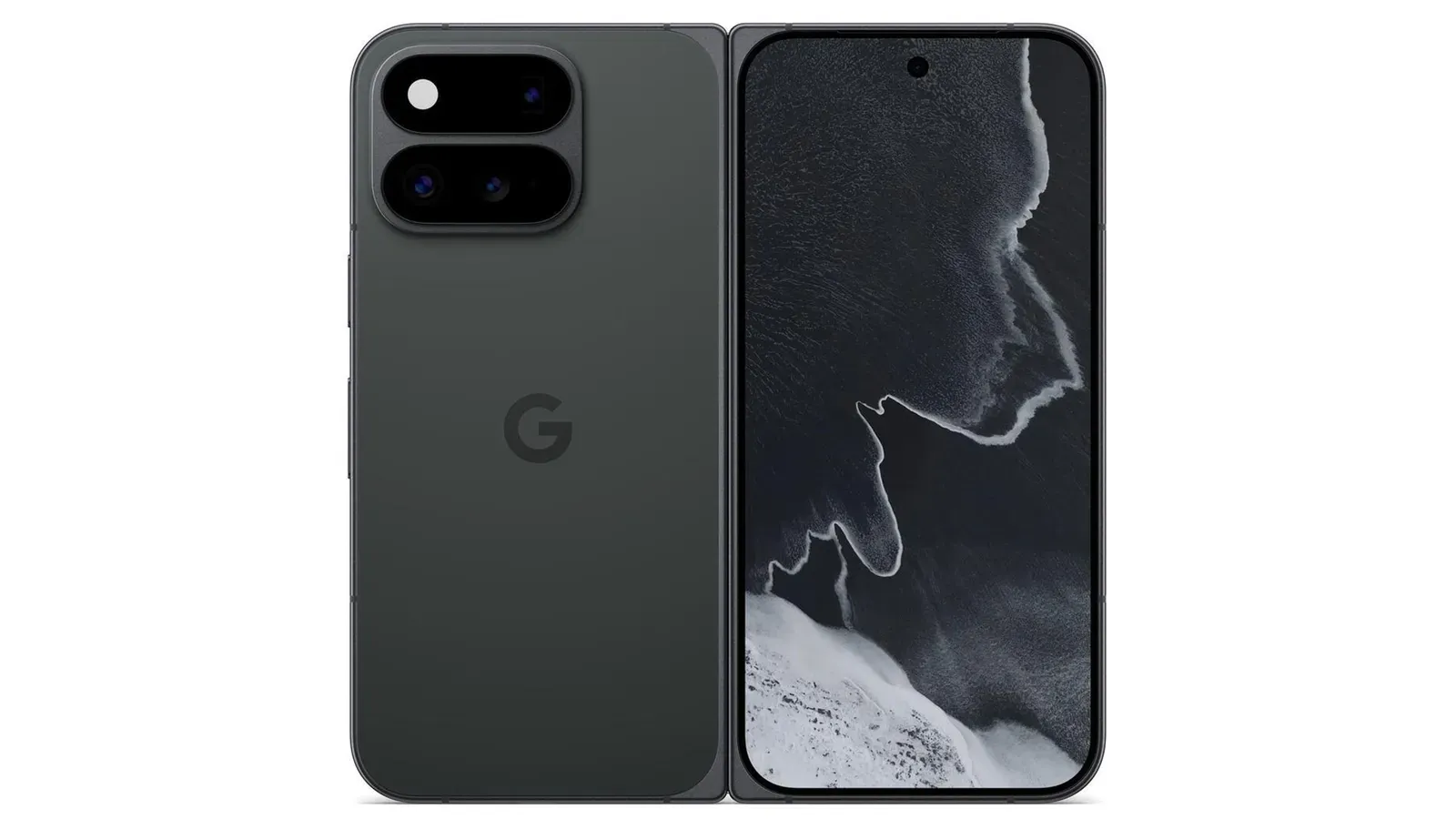
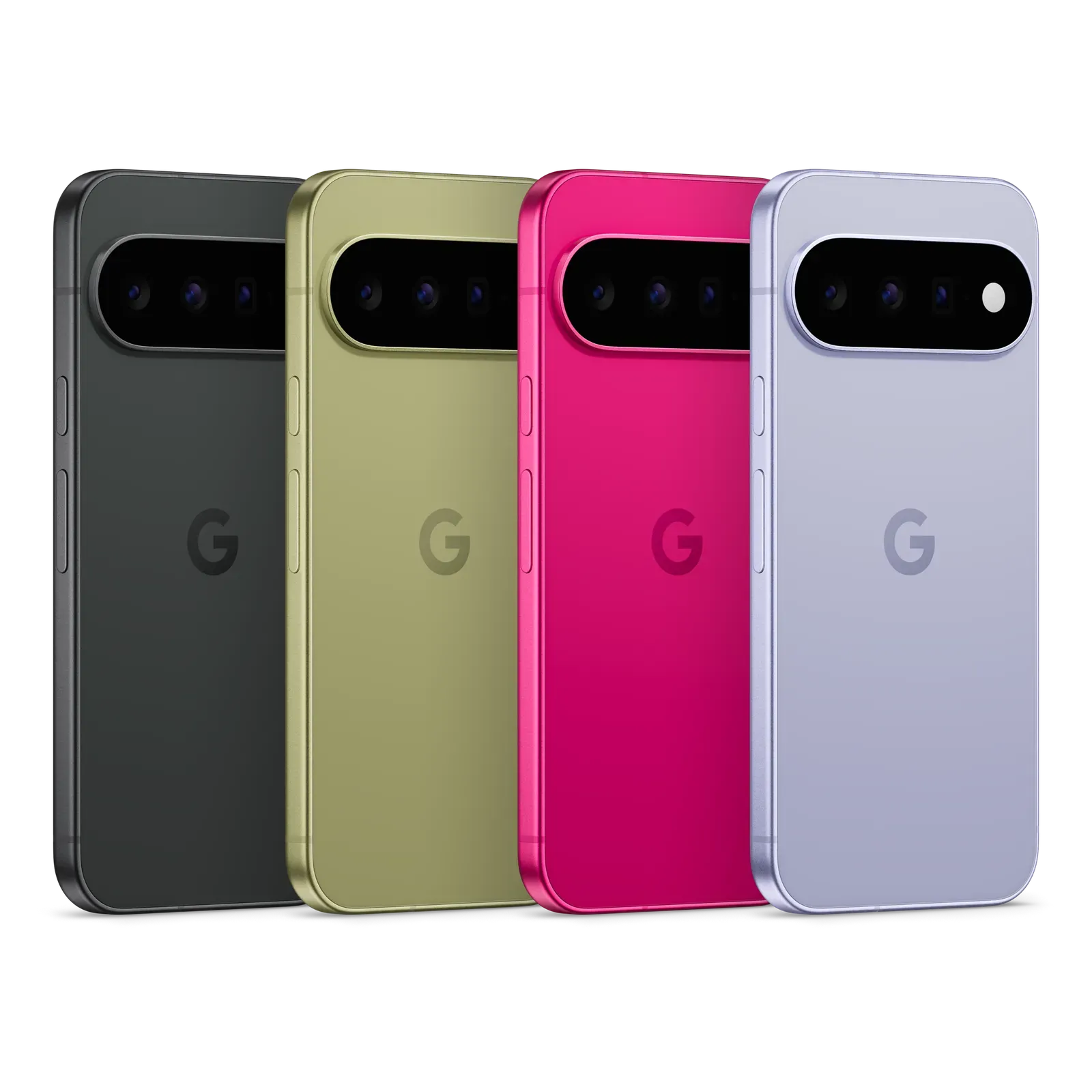
The stable Android 17 QPR1 release is expected sometime in September, as was the case for Android 16 QPR1, heise notes. The update should be available for Pixel phones from the 6th generation onward, plus Pixel foldables and the Pixel Tablet.
Android 17 QPR1 Beta 6 desktop windowing: what changed
The taskbar has moved from center-bottom to bottom-left in desktop windowing mode, Android Authority reported this week. The pixel distance is small; the placement is not incidental. Bottom-left is where most desktop computing history has taught users to look for a launcher, and centering the taskbar was the kind of phone-first default that reads awkwardly in a windowed desktop context.
The PiP change follows similar logic. Previously, picture-in-picture windows in desktop mode snapped automatically to the left or right edge of the display, a behavior inherited from phone layouts where edge-snapping makes sense on a narrow screen. Beta 6 removes that constraint entirely: drag a PiP window anywhere and it stays there, Android Authority notes. The OS no longer overrides your placement decision, which is a small but meaningful shift in how the mode treats the user.
These choices mirror familiar desktop conventions, and the pattern across releases is worth noting. Desktop windowing mode debuted in Android 16 QPR3; Beta 6 of Android 17 QPR1 is refining its interaction model. That suggests Google may be treating desktop mode as more than an experiment, standardizing it across release cycles rather than leaving it as a niche feature for foldable enthusiasts.
That inference gets stronger when paired with platform stability. Locked APIs give developers a clear integration target. When Google simultaneously freezes the platform and keeps adjusting desktop interaction patterns, it could signal that this experience is being prepared for broader adoption, though the full picture won't be clear until the stable release reaches users.
What desktop mode still doesn't answer, and what remains broken
The gap in current coverage is straightforward: no hands-on reviewer has documented what Android 17 desktop windowing actually feels like as a productivity environment connected to an external display, a physical keyboard and mouse, and apps built for portrait phone layouts. Everything known about Beta 6's desktop mode comes from behavior on the device screen itself.
Third-party app behavior in windowed desktop mode is similarly uncharacterized. Which apps resize gracefully, which scale badly, and which break is unknown from available reporting. That's the distance between a UI that looks more like a PC and an experience that works like one.
On the bugs-still-present side, one hands-on reviewer testing Beta 6 on a Pixel 10 Pro XL documents persistent issues: occasional keyboard failures when opening the app drawer, split-screen button states that display incorrectly, a broken close animation on the home tile, and a clock-face customization screen stuck on dark theme, per the YouTube review. Observations from a single device, but consistent with a beta in late-stage cleanup rather than final polish.
The same reviewer's overall verdict is the more useful data point: Beta 6 is roughly as stable as Beta 5, which was already reliable for daily use, and slightly better with the media controls reordering bug now fixed, per the YouTube review. Geekbench 6 scores came in at 5,876 multi-core, 2,299 single-core, and 4,765 GPU, essentially flat compared to prior betas. That's what you'd expect from a stabilization release where the goal is consistency, not performance gains.
The rest of Beta 6: bug fixes, Health Connect, and launcher tweaks
Google's official changelog covers five documented fixes. Multi-language spell check selection now works correctly. Volume button behavior inside the Clock app has been restored. Visual glitches triggered by rapidly swiping through the media carousel in quick settings have been resolved through improved animation and layout state handling. App crashes caused by a WindowManagerGlobal error are addressed. The Wi-Fi hotspot will now display the user's saved network name rather than a generic default SSID, heise reports. Useful repairs, none dramatic.
Health Connect gains two new automatic tracking metrics: distance traveled and active calories burned, extending the platform-level tracking that added step counting last December. The practical implication for developers is direct, as Android Authority explains: because these metrics now route through Health Connect at the platform level, apps no longer need separate tracking logic for this activity data. Battery impact, sensor accuracy details, and eligible device specifics aren't documented in available reporting.
The Pixel Launcher home screen context menu has also been redesigned divider lines removed, the "Wallpaper & style" label repositioned above the wallpaper carousel, according to Android Authority. At least one hands-on reviewer found the new label placement counterintuitive, per the YouTube review. Minor, and that's the right level of attention to give it.
What comes next
Beta 6 is doing what a sixth beta should: cleaning up the roughest edges, locking the API surface, and landing a few quality-of-life improvements before the finish line. The stable Android 17 QPR1 release should be available in September for Pixel phones from the 6th generation onward, plus Pixel foldables and the Pixel Tablet, if it follows the same timeline Android 16 QPR1 did, according to heise.
The Android 17 QPR1 Beta 6 taskbar changes and freely movable PiP windows are small in isolation. Across multiple releases, from Android 16 QPR3 introducing the mode to Beta 6 refining its interaction patterns, they look more like a deliberate standardization effort than incremental tinkering.
Beta 6 does not yet answer the most important question: whether Android desktop mode holds up as a real productivity environment when connected to an external display, real peripherals, and a diverse app ecosystem. That's what the September rollout to the full Pixel install base is for.




Comments
Be the first, drop a comment!