



Android 17 Beta 3 Desktop Multitasking: Bubbles and iPiP Arrive
Google released Android 17 Beta 3 on Thursday, and the headline feature is one the company technically announced a month ago: a floating windowed mode called Bubbles that never shipped in Beta 2. It's live now. So is Desktop Interactive Picture-in-Picture for external displays. Both land at Platform Stability, meaning the API surface is locked and the Android Developers release notes confirm stable Android 17 is on track for June 2026.
This is not one feature but two related windowing changes for different hardware. Foldables and tablets get Bubbles. Users connecting Android to a monitor get Desktop Interactive PiP and improved widget scaling. Conflating them obscures what actually changed. Beta 3 also matters because it's where five years of incremental additions, taskbars, resizable windows, minimize buttons, and platform-level resizability overrides, finally arrive together in a finalized, platform-stable build.
Two new windowing features, one bigger picture
Bubbles: floating windows for foldables and tablets
Beta 2 announced that any multi-window-compatible app could be launched as a movable, resizable floating window. Despite that promise, the feature never appeared in the Beta 2 build. Google confirms it is fully enabled in Beta 3 and the Android Canary channel, How-To Geek reported this week.
On foldables and tablets, users can drag an app icon from the taskbar into a floating window. Multiple apps can run as Bubbles simultaneously, with a dedicated area in the taskbar for organizing and switching between them. The full app runs inside the window, not a trimmed preview or a reduced-function overlay, per How-To Geek and 9to5Google from last month.
This needs one distinction: this Bubbles mode shares a name with Android's existing messaging bubbles API but is a separate system entirely. The older API has been limited to messaging apps for years. The new implementation is a general-purpose windowing layer built on top of the multi-window infrastructure, not an extension of chat notifications, 9to5Google noted last month.
Android 17 Beta 3 desktop mode: pinned windows on external displays
For users connecting Android to a monitor, Beta 3 adds Desktop Interactive Picture-in-Picture. Apps can request placement in a pinned windowing layer that stays on top of all other windows and remains fully interactive throughout the session. Desktop mode activates by default on external displays, so this feature is on by default in that context, according to the Android Developers release notes.
Activating iPiP requires both the standard PiP permission and a new USE_PINNED_WINDOWING_LAYER permission. That makes it an explicit developer opt-in: apps need to be updated to support it, not just detected as multi-window-compatible.
Beta 3 also addresses a persistent rough edge in Android's external-display story: widget scaling. Padding, text size, and layout attributes now adjust automatically based on the pixel density gap between the app's source context and the target monitor, Android Authority and Thurrott both reported this week. Poorly scaled widgets on high-density external displays have been a known limitation for some time; this is the platform-level fix.
How Android 17 desktop windowing has been building for years
Android's desktop multitasking capability has been built in stages, not announced in a single release. Android 12L introduced a persistent taskbar on large screens with drag-and-drop split-screen support, the first time Google gave foldable and tablet users something resembling a desktop workflow, per the Android Developers 12L documentation. Android 12 made multi-window the default behavior on large screens, so apps run in resizable windows regardless of how the developer originally configured them, according to Android's multi-window documentation.
Android 15 QPR1 debuted desktop windowing on the Pixel Tablet, but the initial version had a telling gap: no minimize button. Closing a window was the only way to get it off the screen. Android 16 Beta 3 added that minimize control, a small change that matters because hiding a running app without terminating it is fundamental to any real desktop workflow, Android Police reported in March 2025.
Android 16 also took a structural step that directly enables Beta 3's Bubbles compatibility. On large screens, the system now overrides manifest settings that developers used to lock apps to full-screen or fixed orientations, so apps that previously couldn't be resized can be placed in windowed mode on large-screen devices regardless of those old restrictions, the multi-window documentation confirms. That policy change is a significant reason Bubbles compatibility is expected to be broad without requiring developers to rebuild their apps. The documentation does note that device manufacturers can override these multi-window behaviors, which means real-world reach will depend on how consistently OEMs expose the feature.
What Beta 3 delivers on top of all this isn't a new architecture. Movable, resizable windows in desktop windowing mode already existed and could be enabled by device manufacturers. Beta 3 broadens access to floating windows across the platform, introduces a category of always-on-top interactive windows for external-display sessions, and does all of it at Platform Stability. The difference between "Google is building toward desktop multitasking" and "Google has a desktop multitasking feature" is partly a count of how many pieces are present at once. Beta 3 is the first release where that count is high enough to make a credible claim.
Platform stability: what it means and who it affects right now
Beta 3 marks Android 17's Platform Stability milestone. The API surface is locked, and developers can now submit Android 17-targeted apps to the Play Store, the release notes confirm. Major platform behavior is largely set at this point, though beta builds can still carry bugs and minor changes before stable release.
Android Developer VP Matthew McCullough specifically called out SDK, library, tool, and game engine maintainers: updates are needed now. "If you develop an SDK, library, tool, or game engine, it's even more important to prepare any necessary updates now to prevent your downstream app and game developers from being blocked by compatibility issues," Thurrott quoted McCullough this week.
Who gets what is straightforward:
- Pixel beta testers on foldables and tablets can try Bubbles today, the feature is live in Beta 3 and the Canary channel
- Users connecting a Pixel to an external display can test Desktop Interactive PiP and improved widget scaling now
- Developers have a stable target to build against and submit apps to the Play Store
- Everyone else gets these features at stable release in June 2026
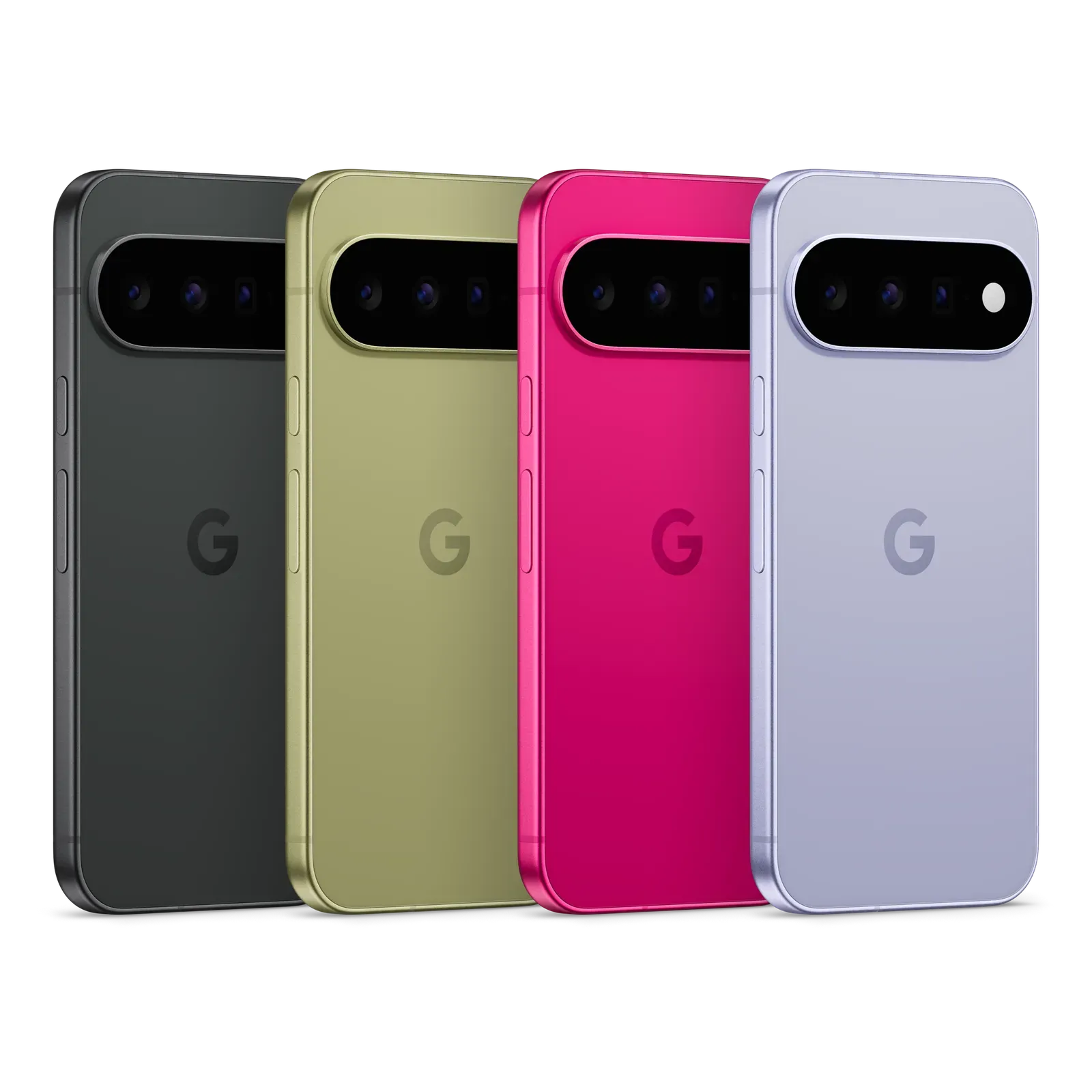
Beta 3 is available for all Pixel devices from the Pixel 6 through the Pixel 10, including Fold and A-series hardware, How-To Geek and Android Authority confirmed this week.
What this still doesn't answer
None of the Beta 3 coverage is based on extended hands-on testing. The reporting largely summarizes Google's changelog. How smooth floating windows are in practice, how far they can be resized, and how performance holds up with several Bubbles open simultaneously are all unknowns.
App compatibility is an open question too. The Android 16 resizability overrides and existing multi-window policy mean many apps should work in Bubbles, but how many major third-party apps actually behave well in a floating window or an iPiP layer hasn't been established. Google says developers only need to follow existing multi-window guidelines, but guidelines and real-world behavior don't always align at launch.
The Bubbles experience on standard phones, as opposed to foldables and tablets, also remains ambiguous. 9to5Google noted last month that floating windows "appear" to work on any Android device, while Google's official emphasis is squarely on large-screen hardware with taskbars. Claiming universal phone support without clearer confirmation from Google would be getting ahead of the evidence.
Samsung DeX and OnePlus Open Canvas have offered comparable floating-window experiences for years. 9to5Google observed last month that this kind of multitasking is "particularly reminiscent of how other OEMs handle multitasking." Google's implementation is available at the platform level, which should give developers broader reach than OEM-specific systems, assuming device makers expose the behavior consistently. That's a meaningful structural advantage, but a theoretical one until the ecosystem catches up.
What to watch between now and June
Android 17 Beta 3 is the most credible version of Google's Android 17 Beta 3 desktop multitasking pitch to date. Bubbles is live for foldables and tablets, Desktop Interactive PiP is in place for external-display sessions, widgets scale correctly on monitors, and the APIs are locked. Stable Android 17 arrives in roughly three months, the release notes and Android Authority both confirm.
The architecture is there. Experience quality is the remaining unknown, and that question gets answered by hands-on testing between now and June, not by a changelog. Between now and June, three tests matter: how discoverable the Bubbles UI is for users who don't read release notes; whether popular third-party apps behave gracefully in floating windows; and how the experience compares across a Pixel Fold, a Pixel Tablet, and a connected monitor.
For SDK and library maintainers, the window is short. Those who don't update before stable release risk blocking app developers from targeting Android 17 Beta 3 platform stability features at launch, Thurrott reported this week. June isn't far away.





Comments
Be the first, drop a comment!