



Reviewed by: Y. Garcia
If you've ever found yourself drowning in a constant stream of pings, buzzes, and message previews, you're not alone. Our phones have become notification machines, especially when you're juggling multiple messaging apps and those group chats that never seem to quiet down. After testing Google's latest solution across weeks of busy Slack channels and holiday family group chats, here's what actually works: AI-powered notification summaries that are now rolling out to Pixel devices as part of Google's recent Pixel updates.
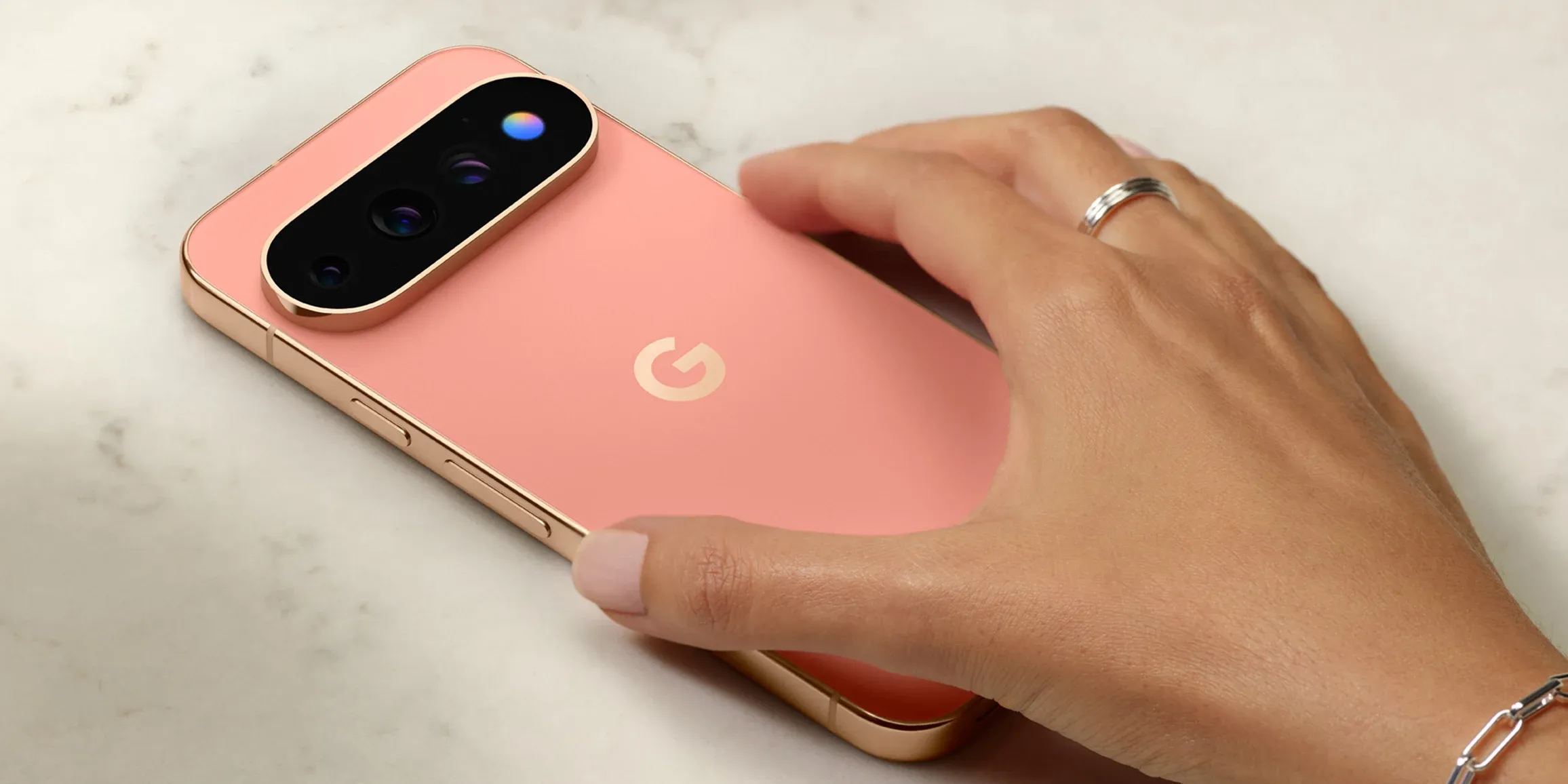
The timing couldn't be better for Google's shift toward smarter notification management. The Pixel 10 series comes equipped with Google's most advanced on-device AI model yet, according to Nokia Power User. We're talking about Gemini Nano 2.0, which processes your notifications instantly without sending any data to Google's servers. This rollout brings these smarter notifications alongside expanded dark mode and better accessibility tools, as reported by CNET.
What makes this particularly strategic is Google's shift away from those single yearly OS updates toward more frequent feature drops throughout the year, according to CNET. This approach means notification improvements arrive when you need them most — during the busy holiday messaging season — rather than waiting for next year's major Android release.
What makes AI notification summaries actually useful?
Here's where Google's approach gets genuinely clever. Rather than just grouping messages together (though it does that too), the AI creates contextual summaries that actually tell you what's happening. Instead of seeing twenty individual alerts from that busy work group chat — each showing just fragments like "John: Can we..." or "Sarah: I think..." — you get one smart summary that tells you the team is debating project deadlines and needs your input by Friday, according to Android Police.
The system goes beyond simple condensation, creating summaries that capture conversation context and key decisions, as noted by Nokia Power User. What's particularly smart is that summaries only appear when there's genuine context worth capturing, according to Android Police. You won't get pointless AI-generated overviews of simple "OK" or "Thanks" messages — the system recognizes when human intelligence is better than artificial summarization.
The feature works across popular messaging apps like Google Messages, WhatsApp, and Slack, but here's the compelling part: all processing happens locally using the on-device Gemini Nano model, meaning your messages never get sent to Google's servers, as confirmed by 9to5Google. This local processing delivers two major advantages — summaries appear instantly even in subway dead zones where cloud-based AI would fail, and faster processing overall, according to Nokia Power User.
Setting up notification summaries step by step
Getting started is straightforward if you're in a supported region, though there are some geographic and device restrictions worth knowing about first. The feature currently works on Pixel 9 or Pixel 10 series devices (unfortunately, the Pixel 9a is excluded from this particular feature), according to Android Central.
Google has limited initial availability to English language use and specific regions, including Australia, Canada, Germany, Japan, the United Kingdom, and the United States, as reported by Android Central. These restrictions reflect Google's cautious approach to AI rollouts — they're testing accuracy and cultural context before broader expansion.
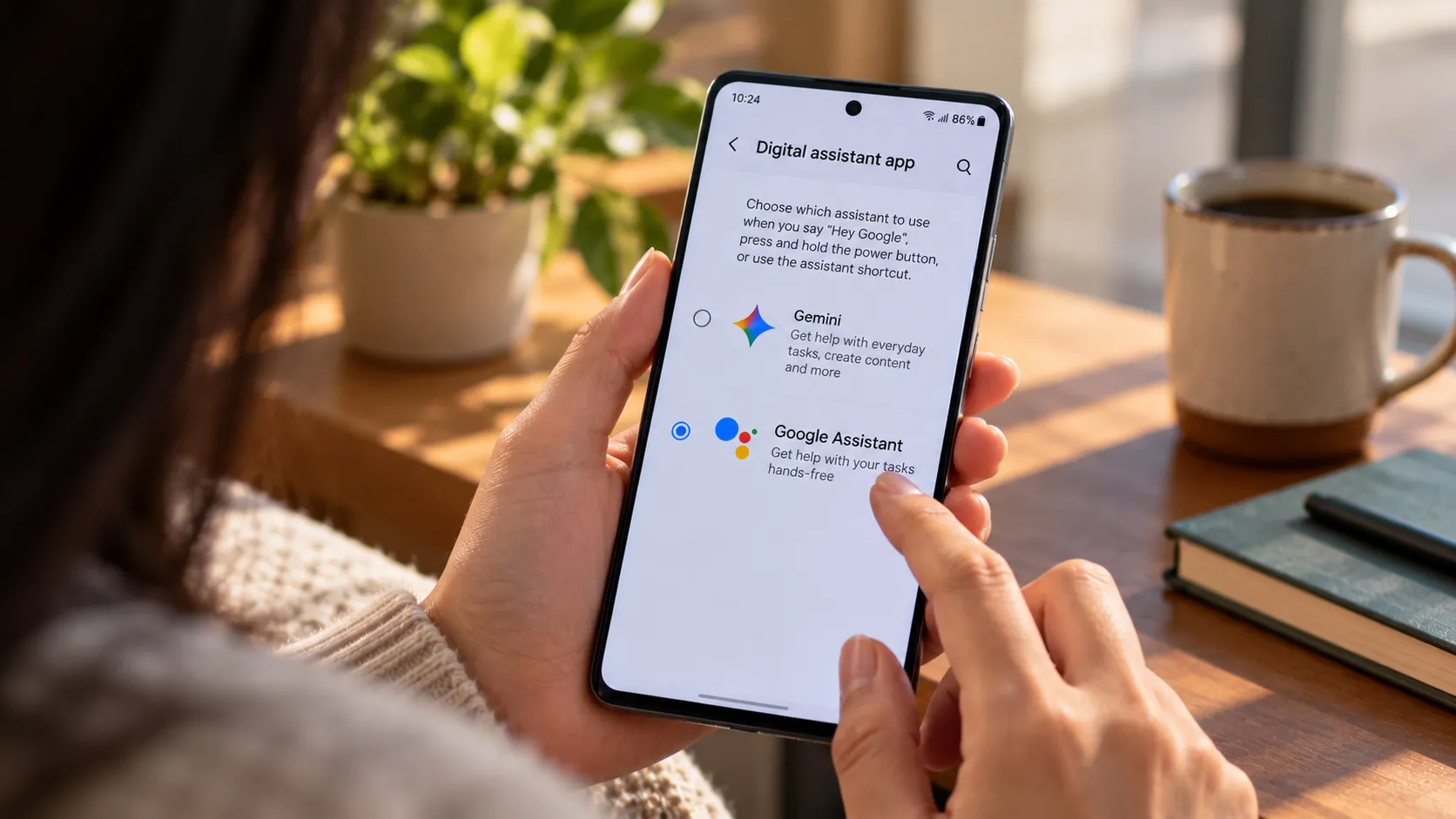
PRO TIP: Here's the step-by-step setup process. Navigate to your phone's Settings app, then tap Notifications, followed by "Notification summaries," according to Live Mint. You'll find this option near the top after Notification History.
Toggle on "Use notification summaries" to activate the feature — it's disabled by default, so you'll need to actively enable it, as outlined by CNET. Below that toggle, you'll see a "Don't include these apps" list where you can control which messaging applications receive summary treatment, with popular chat apps enabled by default, according to Live Mint.
The crucial step many users miss: ensuring Android System Intelligence has proper permissions by navigating to Settings > Notifications > Privacy > Notification read, reply & control, as noted by Live Mint. This permission allows the AI to analyze your notifications locally without sending them anywhere else.
How the notification organizer works alongside summaries
While summaries handle the content complexity in your important chats, Google's broader notification organizer tackles the volume problem by automatically managing lower-priority alerts. This system introduces priority-based notifications that group less important alerts while highlighting urgent messages, according to Nokia Power User.
Here's the strategic advantage: Android automatically sorts similar notifications and silences lower-priority ones like promotions, news, and social alerts, as reported by CNET. Instead of competing for your attention alongside important work messages, these get organized into categories like "News" and "Promotions" that appear at the bottom of your notification shade.
The organizer creates a two-tier system where promotional emails and news updates no longer interrupt urgent conversations. The promotion and news categories are enabled by default, according to Google's support documentation, while social and suggested categories can be activated manually for users who want even more granular organization, as noted in Google's documentation.
To customize this system, navigate to Settings > Notifications > Notification organizer, where you can control grouping preferences and choose which apps to exclude from the feature, according to Android Central. This gives you strategic control over how your digital attention gets allocated throughout the day.
Understanding the limitations and quirks
Let's talk about the reality of using AI notification summaries. While they show genuine promise, there are several important limitations that reveal the thoughtful design decisions behind this feature. The AI won't generate summaries for brief text messages, multilingual conversations, or emoji-only notifications, according to 9to5Google. This actually demonstrates smart restraint — these message types don't need summarization and would produce more confusion than clarity.
There's a timing consideration worth understanding: your phone's screen must be off for a moment to allow AI processing to occur, meaning summaries appear when you check your phone after some time away, not in real-time, as noted by Google's support documentation. Battery Saver mode also disables summary generation to preserve power, according to 9to5Google, which makes sense from a resource management perspective.
Real-world accuracy issues to know about: The AI sometimes gets confused by workplace chat mentions, potentially attributing messages to the person tagged rather than the actual sender, as reported by Lifehacker. This is particularly noticeable in Slack or similar workplace messaging apps where @mentions are common — something to keep in mind during important project discussions.
Another practical consideration: the small preview window can sometimes make AI summaries less useful than reading the first few lines of actual text, according to Lifehacker. However, you can expand notifications to see full messages and then minimize them back to summary view from both the lock screen and notification shade, as noted by Lifehacker, giving you flexible control over how you consume information.
What's coming next for Android notification management
Google's roadmap extends well beyond these current capabilities, with improvements that directly address the accuracy issues we're seeing now. Samsung is already testing similar functionality with One UI 8.5 beta, expected to launch alongside Galaxy S26 phones early next year, according to Lifehacker, signaling that AI-powered notification management will become standard across manufacturers, not just a Pixel exclusive.
The expansion timeline looks promising: more Android devices will soon support AI-powered notification summaries as Google expands the feature beyond Pixel devices, as reported by The Verge. This broader rollout should happen throughout 2026 as the underlying AI models become more widely available.
Here's where it gets interesting for security and accuracy: the system will become more sophisticated with enhanced scam detection that shows key details and safety tips when unknown numbers add you to group chats, according to CNET. Even more impressive, users will soon be able to circle suspicious messages anywhere on their screen to get AI-powered scam analysis with recommended next steps, as noted by CNET.
Google is also planning to automatically sort and silence lower-priority notifications under expanded categories, reducing notification clutter even further, according to Android Headlines. This enhanced categorization should address the current preview window limitations, while the improved scam detection will help resolve those workplace mention confusions.
The bottom line: AI notification summaries represent a genuine step forward in managing our increasingly complex digital communication landscape. They offer privacy-focused intelligence that works entirely on-device while maintaining full user control over the experience. While there are still some rough edges to smooth out, this feels like the beginning of a much more strategic approach to notification management — one that actually helps rather than just adding another layer of complexity to our already busy digital lives.




Comments
Be the first, drop a comment!