



Google's mastery with the Pixel 10 Pro Fold has been nothing short of impressive, but it also raises a fascinating strategic question. The search giant successfully achieved what many thought impossible—creating the first foldable device with IP68 water resistance while delivering a genuinely compelling user experience. Their engineering prowess is undeniable, which makes their absence from the flip phone market all the more intriguing.
Here's what's been bugging me: if Google can nail the complex engineering challenges of a book-style foldable, why aren't they taking a swing at the lucrative flip phone segment? The numbers tell a compelling story—competitors like Samsung and Motorola are absolutely crushing it with their flip-style devices, and there's clearly massive consumer appetite for these compact, nostalgic form factors. Yet Google seems content to stick with their book-style approach, focusing their strategic energy on AI integration and foldable refinement rather than diversifying into what's arguably the hottest segment of the foldable market.
Why Google's book-style bet is paying off
Let me give credit where it's due—Google's commitment to the book-style format has yielded remarkable results in surprisingly little time. The engineering breakthrough they achieved with the Pixel 10 Pro Fold demonstrates exactly why their focused approach makes sense. Google developed a revolutionary gearless hinge design that eliminates traditional mechanical components entirely, using CAMs to convert rotational motion to linear motion instead of gears that can collect dust and degrade over time.
This innovation unlocked capabilities that seemed impossible just years ago. The gearless design allowed them to create larger displays—we're talking about an 8-inch internal screen and 6.4-inch external display—while maintaining the durability that foldables desperately need. More importantly, it freed up internal space for a bigger battery and enabled that industry-first IP68 rating. When you consider that most foldables still struggle with basic water resistance, Google's achievement here represents a genuine leap forward in foldable engineering.
The market response has validated their strategy too. Their presence in Europe has literally doubled from 4% to 8% in Q1 2025, according to recent market data, showing that their methodical approach to perfecting the book-style experience is resonating with consumers who want tablet-like productivity without the compromises.
The flip phone market opportunity Google is missing
Now here's where things get really interesting, and where Google's strategic choice becomes more puzzling. While they perfect their book-style approach, the flip phone segment is experiencing explosive growth that's frankly hard to ignore. Samsung's Galaxy Z Flip 7 has seen pre-orders increase by more than 25%, showing strong consumer demand, but the real revelation is Motorola's performance.
Motorola has captured an astounding 58% growth in European foldable sales, reaching 40.4% market share between Q1 2024 and Q1 2025. That's not just growth—that's market domination in a rapidly expanding category. What's driving this flip phone momentum goes beyond simple nostalgia. These devices hit a sweet spot between the large screen experience we've all gotten used to and an incredibly compact form factor that just feels satisfying to use in ways that regular smartphones simply can't match.
The broader market data reinforces this trend. Industry analysis shows that fold models now hold 53% of the foldable market share, indicating that consumers are gravitating toward these compact designs over the tablet-style book foldables that Google has exclusively focused on. This represents a massive opportunity that Google is essentially ceding to competitors who are rapidly establishing dominant positions.
Google's strategic reasoning behind the absence
Google's leadership has been refreshingly transparent about their decision to avoid flip phones entirely, and their reasoning reveals important insights about their broader device strategy. The company's VP of devices and services confirmed that Google isn't currently working on a flip phone, instead choosing to concentrate their engineering resources on perfecting the book-style foldable experience.
This strategy aligns with Google's broader philosophy of depth over breadth. Rather than spreading development resources thin across multiple form factors—a approach that has burned many tech companies—they're betting big on fewer product categories where they can achieve genuine differentiation. The company clearly believes that book-style foldables offer more compelling use cases for their AI-powered features and productivity-focused software optimizations.
There's also practical wisdom in their approach. Google is still a relatively new player in the foldable space, having only launched their first Pixel Fold back in 2023. Building deep expertise in one form factor before expanding to another makes more business sense than trying to compete across every possible variation. Their strategic focus remains firmly planted on AI integration, which they see as the primary differentiator that will ultimately determine winner and losers in the foldable space.
What a Pixel Flip would need to succeed
If Google were to eventually enter the flip phone market, they'd face significant challenges but also unique opportunities to differentiate in ways that current competitors haven't fully exploited. The cover screen experience represents the biggest pain point across the industry right now, and it's where Google's software expertise could truly shine. Samsung's approach is frustratingly restrictive, limiting functionality in ways that make the external display feel like an afterthought rather than a core feature.
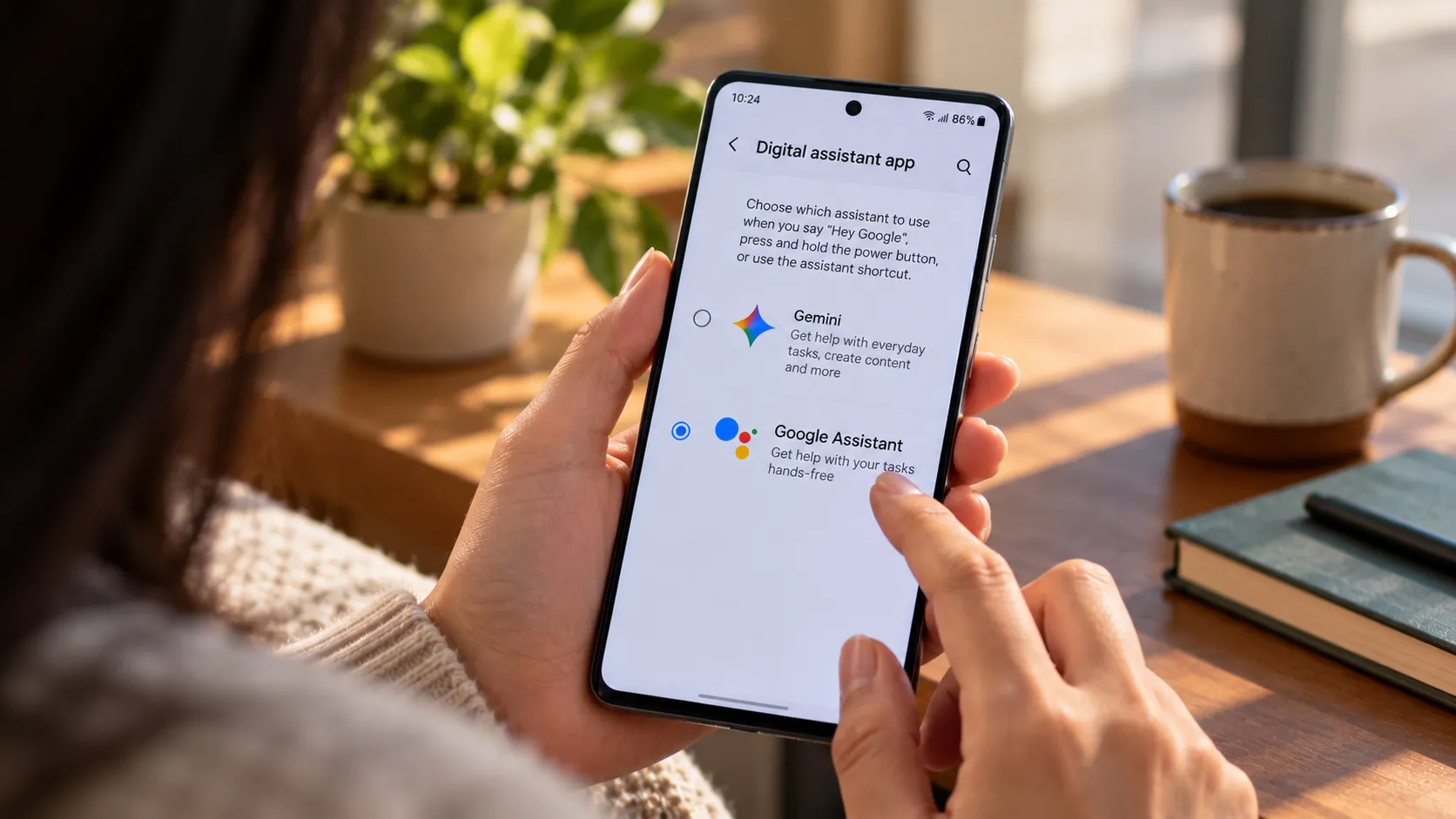
Motorola takes a more open approach, allowing full apps to run on the cover screen, but their implementation still lacks the polish and intelligent integration you'd expect from a premium device. This is exactly where Google could revolutionize the flip phone experience—imagine leveraging their AI capabilities to create truly intelligent cover screen interactions. We could see features like real-time translation in tabletop mode, contextual information that actually makes the external display useful for complex tasks, and seamless integration with Google Assistant that goes far beyond simple voice commands.
Camera performance would be absolutely crucial for any Pixel Flip, since photography is a core reason people buy Pixel devices. Google's reputation is built on computational photography excellence, and any flip phone would need to maintain that standard despite the space constraints inherent in the thinner form factor. The challenge of fitting a 5x periscope telephoto lens into a compact, folding body would be significant, but if anyone could solve it through software innovation and smart engineering, it would be Google.
Where does Google go from here with foldables?
Google's current trajectory suggests they're doubling down on refining the book-style experience rather than diversifying into flip phones, and this strategic focus may actually prove prescient in the long term. The company is already planning design changes for the Pixel 11 and has begun work on the Pixel 12, with AI integration serving as the primary differentiator rather than hardware form factor innovation.
This approach makes sense when you consider the broader foldable market trajectory. IDC predicts 30% growth in the total foldable market for 2026, suggesting there's plenty of room for Google to expand their book-style foldable success without needing to chase every form factor trend. Their gearless hinge innovation and IP68 rating show they're capable of genuine technological breakthroughs that could define the next generation of foldable devices.
However, there's a strategic risk in this focused approach that becomes more apparent when you look at the market dynamics. By not having a flip phone in their lineup, Google is essentially allowing competitors like Motorola and Samsung to establish uncontested dominance in what may become the largest segment of the foldable market. Motorola's massive European market share gains and Samsung's consistent flip phone sales growth demonstrate that significant revenue and market influence are being left on the table.
Bottom line: Google has unquestionably proven they can engineer compelling foldables with genuine innovations like their gearless hinge and industry-first IP68 rating. But their strategic choice to focus solely on book-style devices means they're missing out on a rapidly growing segment where their AI capabilities and software expertise could potentially dominate. Whether this focused approach pays off long-term will depend on how successfully they can differentiate through AI features and whether the book-style format can capture enough market share to justify passing on the flip phone opportunity entirely. The gamble is bold, but given the explosive growth in the flip segment, it's one that could prove costly if the market continues trending toward these more compact, nostalgic form factors.





Comments
Be the first, drop a comment!