



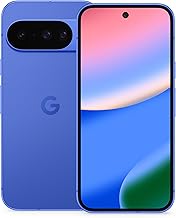

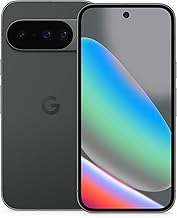
Coverage of the Google Pixel 11 launch event will follow the usual script: chip codenames, camera megapixels, a livestream countdown. The more revealing story about how Google actually treats Pixel owners already happened two months ago, when a routine software update quietly did more to define the brand than any keynote slide will.
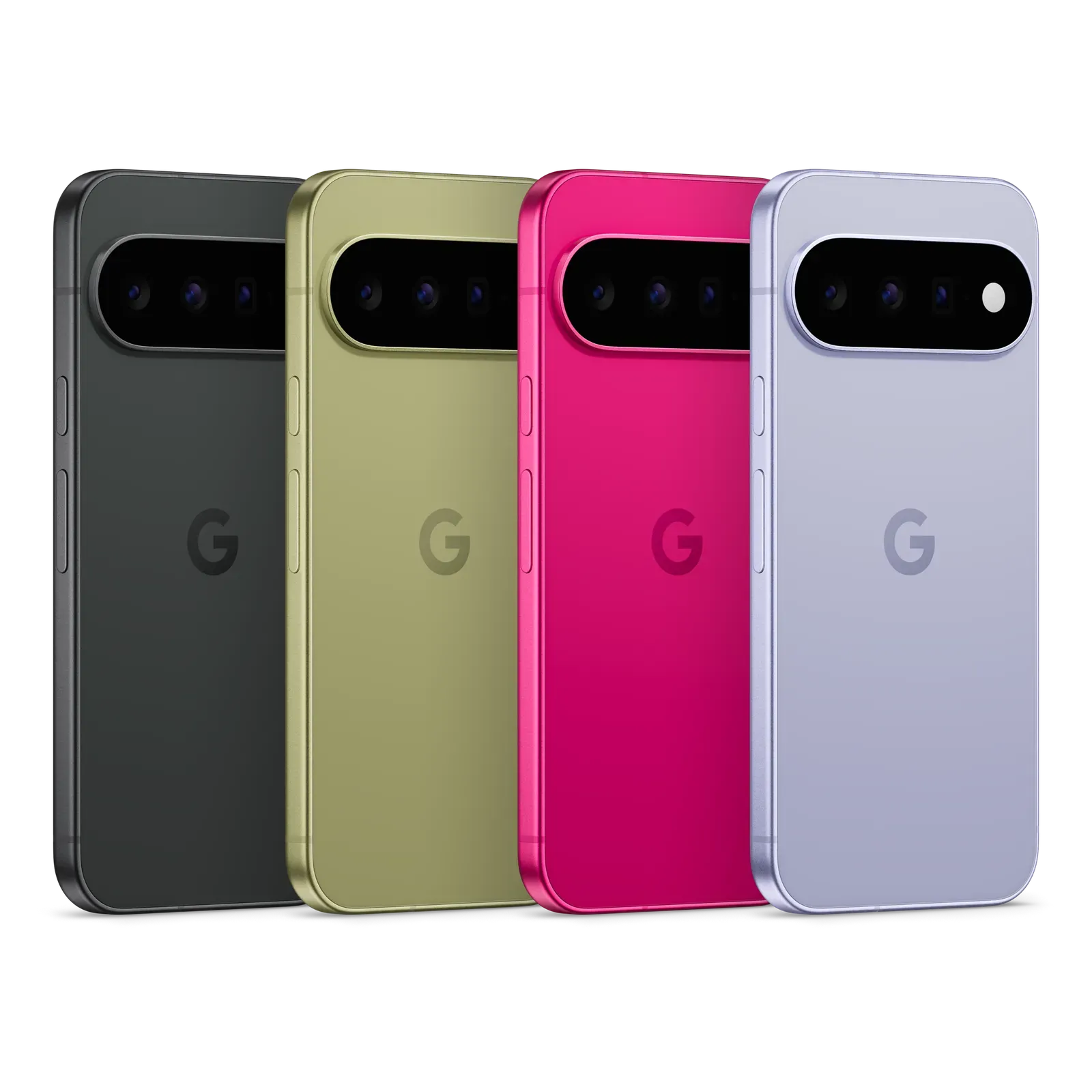
Google introduced the Pixel 10, Pixel 10 Pro, and Pixel 10 Pro XL on Aug. 20, 2025, with a specific promise attached: seven years of Pixel Drops plus OS and security updates. Ten months later, Google's June 2026 Pixel Drop delivered on part of that promise, pushing call, safety, and creative features to phones well outside that year's launch lineup.
The Google materials cited throughout this piece don't announce a 2026 hardware event, so there's no reason to guess at one here. What they document, in detail, is what the June Drop actually did: it proved Google will keep investing in phones already sold, and it proved that benefit is fragmented by device model, region, language, and subscription tier.
For a Pixel owner, "you'll get new features without upgrading" and "you'll get the same features as the newest phone" are two different promises. Google's own fine print keeps them separate.
What Pixel 10 launched with, and why some of it couldn't travel
Tensor G5 was built to run Google's newest Gemini Nano model first. Google says the model runs 2.6 times faster and twice as efficiently on the new chip for features like Pixel Screenshots and Recorder. Google frames that gain as the reason those features can run privately on the phone rather than reaching out to a server.
That claim matters beyond the launch itself. Magic Cue, Voice Translate, and Call Notes with actions were designed to run privately on-device, and Google ties that directly to Tensor G5's processing gains rather than to Android software alone.
Google positions these features as dependent on the new chip; its public material doesn't spell out exactly which limitation on older Tensor chips would be decisive, whether that's raw processing power, on-chip AI acceleration, or something else. The dependency itself, though, is stated plainly.
That's the distinction worth carrying into every rollout story from here on: some Pixel capabilities are explicitly tied by Google to newer hardware, while others — call handling, file sharing, and safety alerts — can be extended to older devices through software updates. This hardware-versus-software split is the more durable thing to track than any single spec Google reveals on stage.
One Pixel Drop, three different outcomes for owners
The June 2026 Drop didn't treat every Pixel owner the same way. Some updates spread everywhere at once. Some reached specific models on a delay. Some stay limited to a handful of countries for now. All three happened inside a single release.
Start with the broadest case. Bubbles, the ability to long-press any app icon and turn it into a floating window that sits on top of other apps, is available on all Android 17 Pixel phones and folds, in every region and language Google supports. On the Pixel 10 Pro Fold, those bubbles dock into a dedicated bar at the bottom of the screen. Android 17 is the actual gate here. It's just a gate almost every current Pixel owner has already cleared.
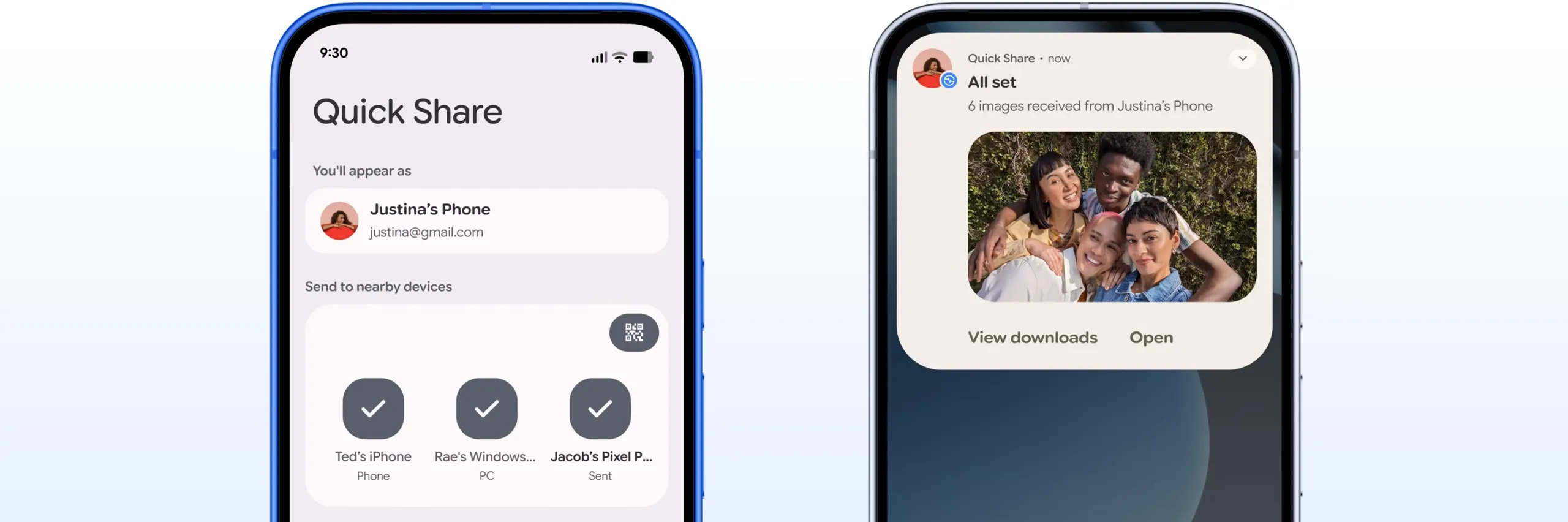
Then there's the newest-device-first pattern, which expands later but not evenly. Voice Translate, real-time call translation that renders each caller in their own voice, is documented reaching the Pixel 10a, Pixel 10 Pro, Pro XL, and Pro Fold, limited to English paired with six languages, with Hindi still marked "in preview." Quick Share's AirDrop compatibility, by contrast, reached the older Pixel 8a and 9a in the same Drop, which shows backward compatibility isn't reserved for minor features.
The third outcome is explicit gating, and the fine print gets specific fast. Manual Call Screen requires a Pixel 10, other than the 10a, or newer in India, but only a Pixel 6 or newer everywhere else, the same feature drawing two different hardware floors depending on country. Edit with Ask Photos, meanwhile, is currently live only in the U.K., Germany, France, Spain, and Italy; Google's announcement doesn't say when, or whether, that list grows.
Three outcomes, one Drop. That's the clearest sign yet that "Google keeps updating old Pixels" is true, but incomplete.
The ecosystem premium isn't limited to one feature
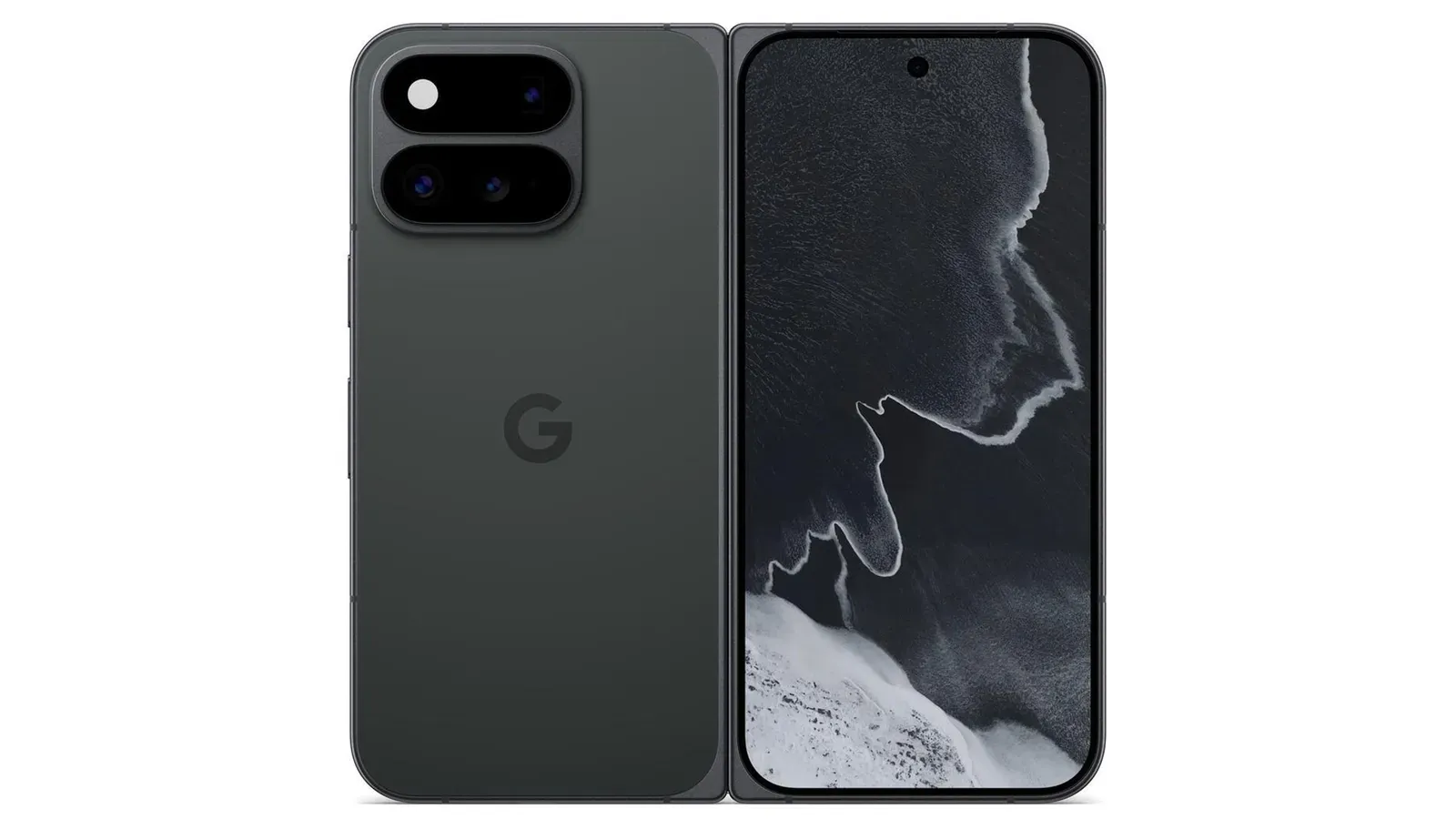
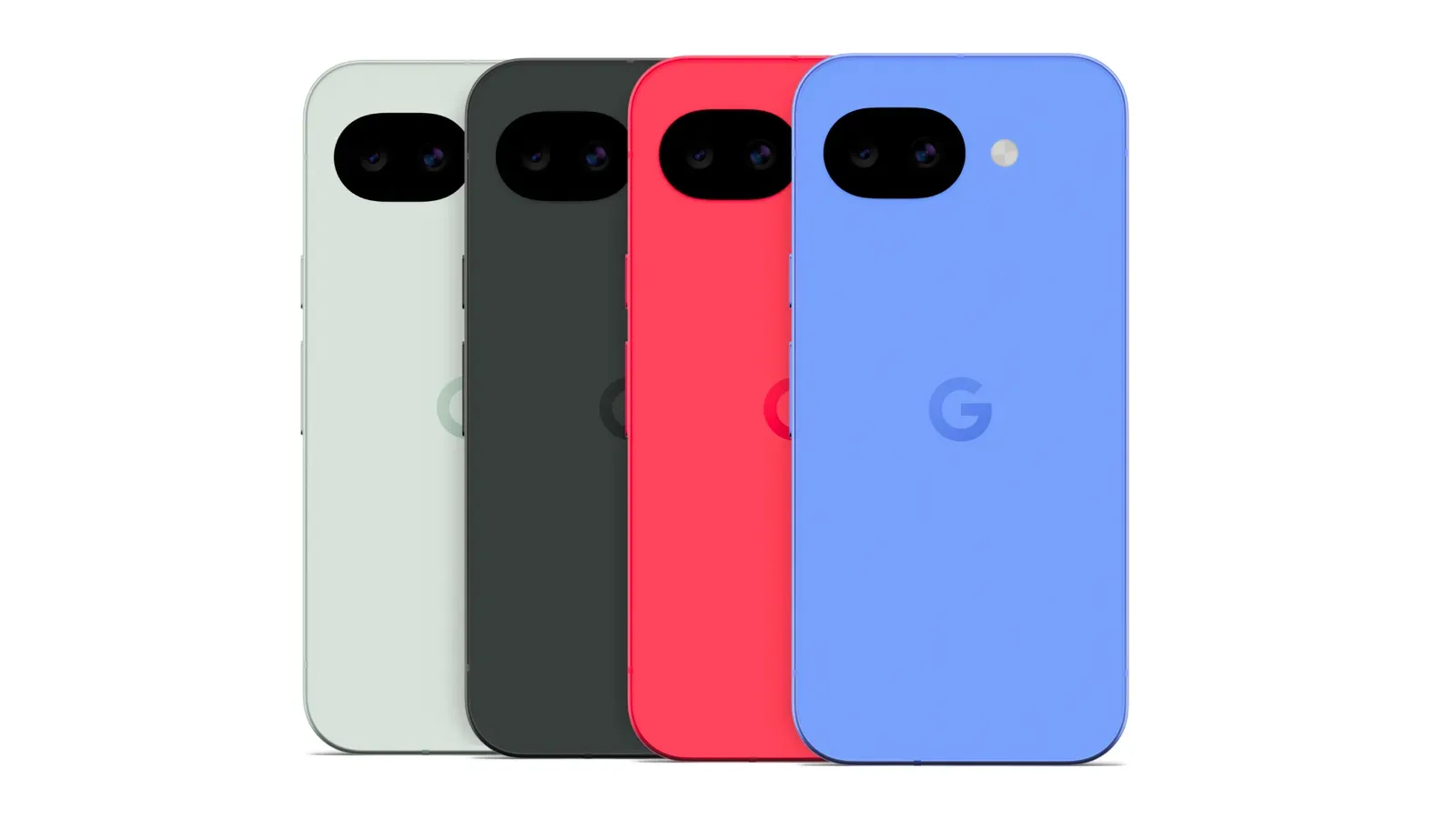
Google's best Pixel features increasingly assume ownership of more than a Pixel phone, and that pattern predates the June Drop by two years. Made by Google 2024 didn't launch a phone alone. It introduced Pixel 9, Pixel 9 Pro, Pixel 9 Pro XL, Pixel 9 Pro Fold, Pixel Watch 3, and Pixel Buds Pro 2 together, bundled with Gemini and Android updates across the lineup. Pixel Buds Pro 2 offered hands-free Gemini access as a headline feature, not an afterthought.
The same pattern shows up in the June 2026 Drop, this time wearing a safety label. Emergency Sharing, folded into Car Crash Detection, Fall Detection, and Loss of Pulse Detection, lets a Pixel phone call emergency services while notifying chosen contacts, but only over a Bluetooth connection to a compatible Pixel Watch.
Loss of Pulse Detection specifically needs a Pixel Watch 3 or 4; Car Crash Detection needs a Watch 2 or newer. Google's documentation ties the emergency-calling piece of this feature directly to that Bluetooth connection, so a phone without a paired watch isn't getting the same protection.
Read together, these aren't two isolated data points two years apart. They're the same strategy applied to a headline AI feature in one case and a life-safety feature in the other. Google's most compelling Pixel capabilities increasingly assume ownership of the watch, and sometimes the earbuds too. That's a legitimate value proposition for a household already inside Google's hardware line, and a real cost for anyone who bought just the phone and assumed that was enough.
What the Google Pixel 11 launch event should make clear
Whatever ships at the Pixel 11 announcement, the June 2026 Drop already shows what to check afterward. Google's fine print sorts into three distinct categories, and knowing which one a feature falls into tells you whether your current phone is getting an upgrade or getting left out.
Guaranteed platform support sits at the top. The seven-year Pixel Drop, OS, and security update commitment attached to Pixel 10 is the closest thing to an unconditional promise Google has made. It's a promise about update cadence, not about which individual features arrive on schedule.
Hardware-exclusive features sit below that. Pro Res Zoom's 100x reach is limited to Pixel 10 Pro and Pro XL because of the imaging hardware built into those models, and Tensor G5's on-device AI gains are presented as the basis for features like Magic Cue and Voice Translate. These are the features a Pixel 11 announcement is likely to introduce as genuinely new, not because Google is withholding them out of spite, but because the silicon inside older phones wasn't built for them.
The third category, features constrained by country, language, subscription tier, or companion hardware, is where most of the June Drop's fine print actually lives. Bubbles required Android 17. Several of the Drop's generative features required a Google AI subscription, with availability varying by tier and geography. Manual Call Screen needed different phone models depending on whether someone was in India or elsewhere. Emergency Sharing needed a paired Pixel Watch of a specific generation. None of that is locked by silicon. All of it is locked by Google's rollout decisions.
That third category is the one worth watching once Google Pixel launch event 2026 coverage starts breaking down the Pixel 11's spec sheet. A feature announced on stage isn't the same as a feature available to a given owner, and the gap between those two things is measured in Android version, region, subscription, and paired hardware. The June Drop shows Google tracks all four separately for nearly everything it ships.
Two commitments, and only one is a guarantee
Keep two commitments distinct, because Google's own material does. The seven-year promise covers OS and security updates for Pixel 10 devices specifically, and that's a guarantee written into the announcement itself. The June 2026 Drop reaching Pixel 8a, 9a, and 10a owners is separate, discretionary evidence that some features travel backward. It isn't proof that every future feature will follow the same path.
When the next Made by Google event arrives, and coverage of the Google Pixel 11 release date starts to build, judge it on two separate axes: what ships in the new box, and what Google explicitly commits to sending backward, to which models, in which countries, at what price. The first axis makes the headlines. The second axis is the one that actually tells current Pixel owners whether their phone just got better, or whether it's watching from the sidelines again.

Comments
Be the first, drop a comment!