



Google I/O 2026 What to Expect: How to Watch and Key Predictions
Google I/O 2026 runs May 19 and 20 as a free livestreamed event, with keynotes and sessions open online, per the official Google I/O site. Two questions dominate the pre-conference evidence: whether Gemini actually landed on the smartwatches, cars, and TVs Google committed to a year ago, and how prominently Android XR which received its most substantial platform update six weeks before the conference figures into the keynote.
The watch details below are confirmed. The predictions are clearly labeled as such.
How to watch Google I/O 2026: keynote date and livestream
Google I/O 2026 livestreams May 19 and 20, with keynotes and sessions available online, confirmed on the Google I/O site. Based on Google's established I/O format, sessions are typically broadcast through the I/O website and YouTube simultaneously, with replays available after the fact.
Specific keynote start times, regional scheduling, and direct watch URLs are not confirmed in current sourcing. This section will be updated once Google publishes timing details.
Google I/O 2026 predictions: two themes in the pre-show evidence
Based on Google's public record over the past year, two storylines are likely to drive the keynote:
- Gemini rollout status across Wear OS, Android Auto, and Google TV. A year ago, Google set concrete timelines for each. Whether those timelines held is the central open question going into the conference.
- Android XR's growing footprint. A five-feature platform update rolled out to Samsung Galaxy XR headsets six weeks before I/O, alongside new enterprise deployment support. That's a platform Google has been building since it was a single sentence at I/O 2023.
Neither is a confirmed agenda item. Both are strongly indicated by what Google has published in the run-up to the conference.
Why this I/O matters: Google's multi-device AI strategy is due for a progress check
The strategic context shapes what a meaningful keynote actually looks like this year.
At I/O 2023, Google described Android as the world's most complete device ecosystem, backed by figures that reflected real scale: more than 3 billion active Android devices, Wear OS growing more than fivefold since its 2021 relaunch, and Android TV OS ranked as the number-one streaming platform worldwide by shipments. Android Auto was projected to reach 200 million compatible cars that same year, with the number of car models carrying Google built-in expected to more than double by year's end, per the same post. That's the surface area Google is now trying to run Gemini across.
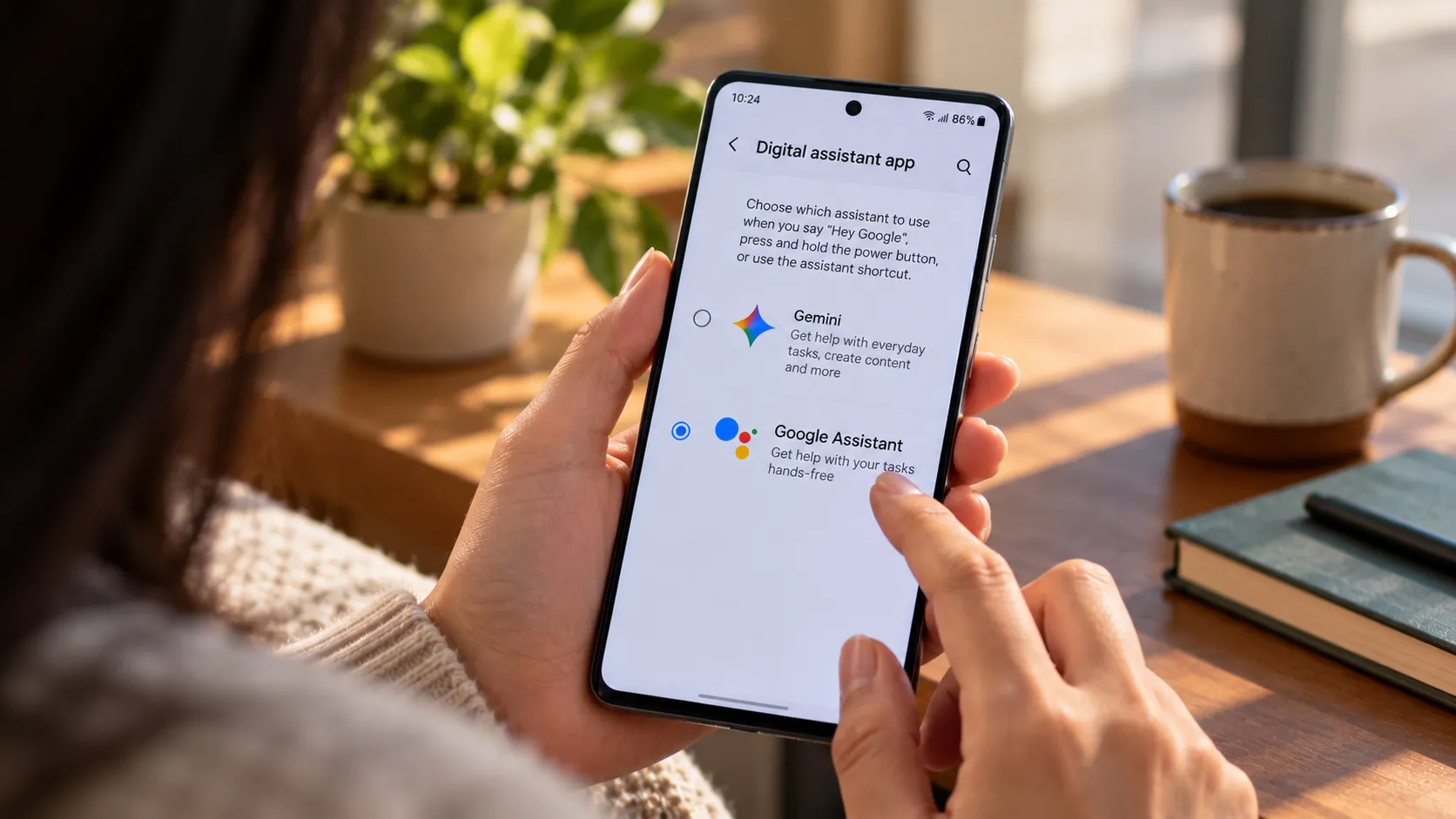
At I/O 2025, Google named Gemini as the connective layer for all of it, describing Android as "completely reimagined with Gemini right at the center," with specific rollout targets for smartwatches, cars, TV, and XR headsets, per the Google Blog. A year has passed since those plans were announced. I/O 2026 is where Google can show what shipped and what comes next.
Gemini across Android: what was promised and what to watch for
A year ago, Google set specific timelines: Gemini was coming to Wear OS smartwatches and Android Auto "in the coming months," and to Google TV "later this year," according to the Google Blog. Whether those timelines held isn't verifiable from available sourcing.
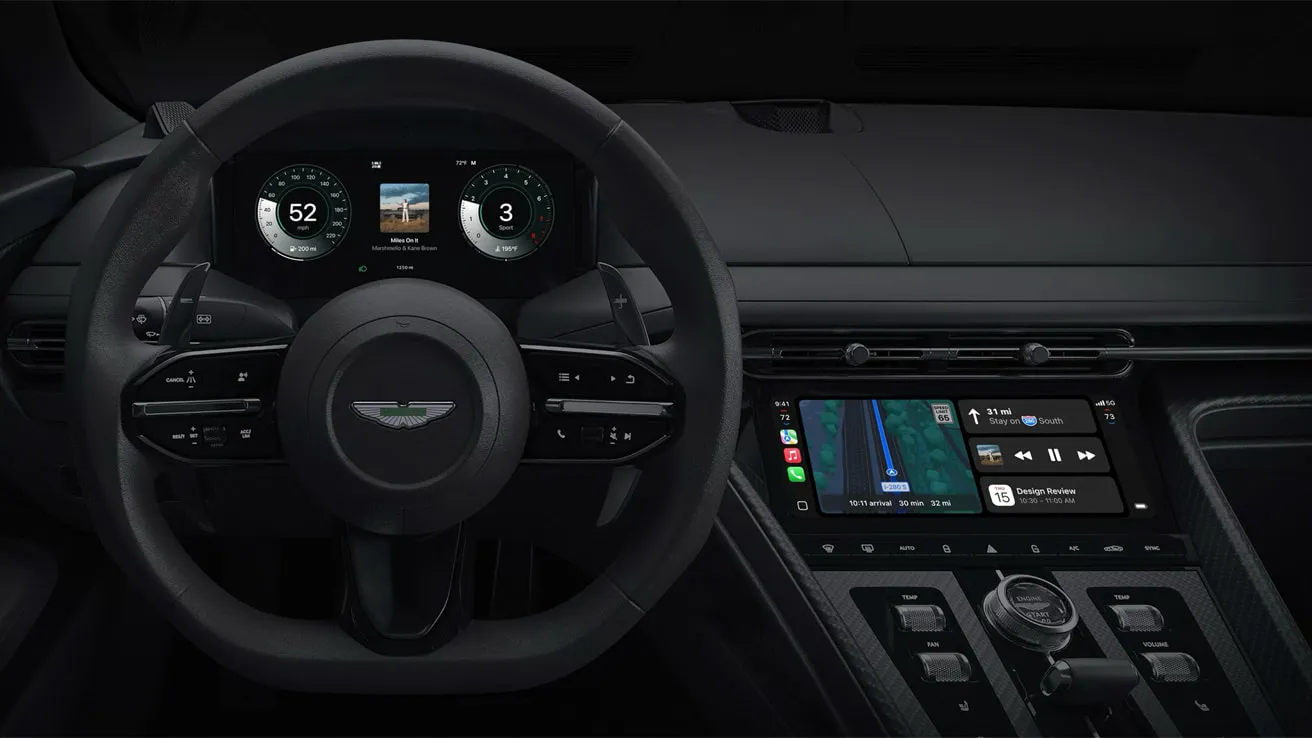
The use cases described were specific enough to be testable. On Wear OS, Gemini would let users pull app-connected information directly on their wrist asking about a restaurant a friend mentioned in an email, without reaching for a phone. Android Auto integration would handle hands-free route planning and message summarization. Google TV would bring context-aware content recommendations, including filtering by age-appropriateness. All concrete, all checkable against what Google demonstrates live next week.
Gemini Live's camera and screen-sharing features were also made available to all Android users at that announcement, with no paid subscription required, per Google's post. That was a deliberate move to prioritize reach over premium gating.
The clearest onstage signal: listen for whether Google names specific platforms where Gemini has already shipped, rather than falling back on forward-looking language. A live Gemini demo on a Wear OS watch or a car dashboard tells you the rollout happened. A slide graphic pointing to "coming soon" tells you it didn't.
Android XR: the strongest proof point going into the conference
Six weeks before I/O, Google pushed five new features to Android XR, rolling out to Samsung Galaxy XR headsets. The April update included auto-spatialization, launching as an experimental feature that converts nearly any flat app, game, website, or video into a 3D experience; persistent wall-anchored apps; visible real hands in home space mode rather than white outlines; and automatic session restore when putting the headset back on.
Beyond the broader Google Play catalog already available on the device, there are now over 100 apps purpose-built for immersive XR use, more than doubling since Galaxy XR launched, according to the same post. The platform is available for hands-on testing at Samsung Experience Stores.
The April update also added Android Enterprise support for XR, with device management integrations covering ArborXR, ManageXR, Microsoft Intune, Omnissa Workspace ONE, Samsung Knox Manage, and SOTI. That's a set of enterprise-grade MDM partners. It signals Google is actively pitching XR to IT departments, not just developers.
The distance from I/O 2023 is worth noting. At that conference, XR was a single sentence in Google's Android recap: Google and Samsung were building an immersive platform, with more to come later that year. The April 2026 update shows a platform with over 100 purpose-built apps, enterprise deployment support, and a growing EMM partner list.
How Google positions XR onstage is the key variable consumer novelty, enterprise deployment platform, or both. Whether Gemini appears integrated directly into XR experiences, rather than described as a future addition, will be worth tracking. Given the enterprise partner list, the pitch will likely extend well beyond consumers.
This section reflects evidence-based inference from Google's public pre-conference record. XR featuring prominently at I/O 2026 is strongly indicated by pre-conference momentum; it is not a confirmed agenda item.
What the first 20 minutes of the keynote should tell you
Google typically leads I/O with its biggest strategic narrative before moving into product specifics. The opening framing will be the fastest read on where the company thinks it stands.
Two things are worth tracking on May 19: how Google characterizes Gemini's rollout across Wear OS, Android Auto, and Google TV delivered results versus restated promises and how much keynote time Android XR receives and how it's framed (Google Blog, one year ago; Google Blog, six weeks ago). If the opening frames AI as a platform-wide achievement rather than a roadmap item, that's the sign Google believes its 2025 commitments landed on schedule.
If the language stays forward-looking, that's a different story.
Everything streams free online May 19 and 20, via the Google I/O site. This article will be updated with confirmed keynote timing once Google publishes it.


Comments
Be the first, drop a comment!