



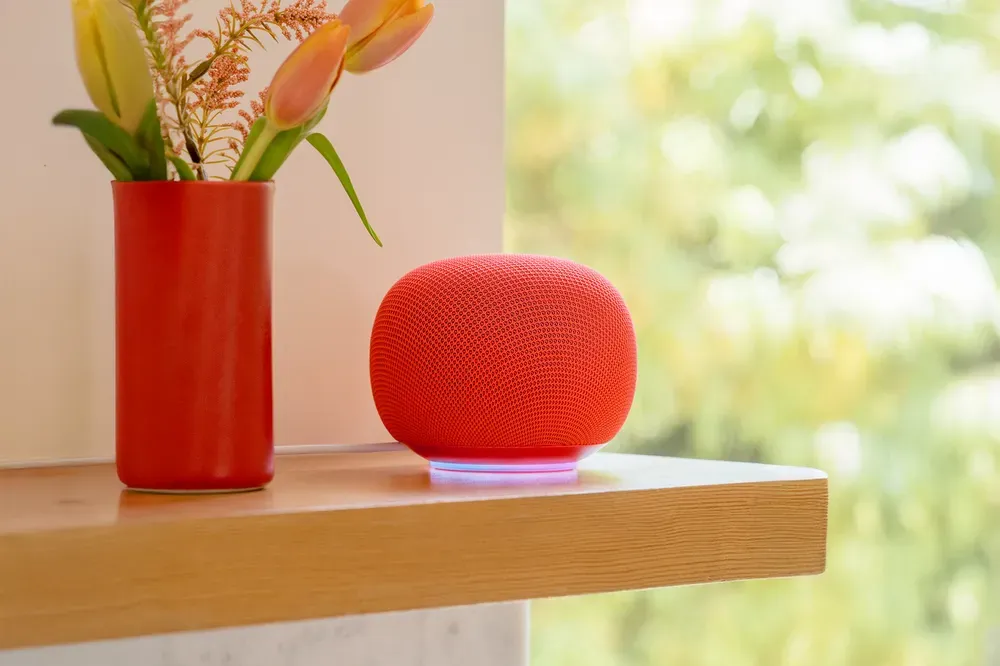
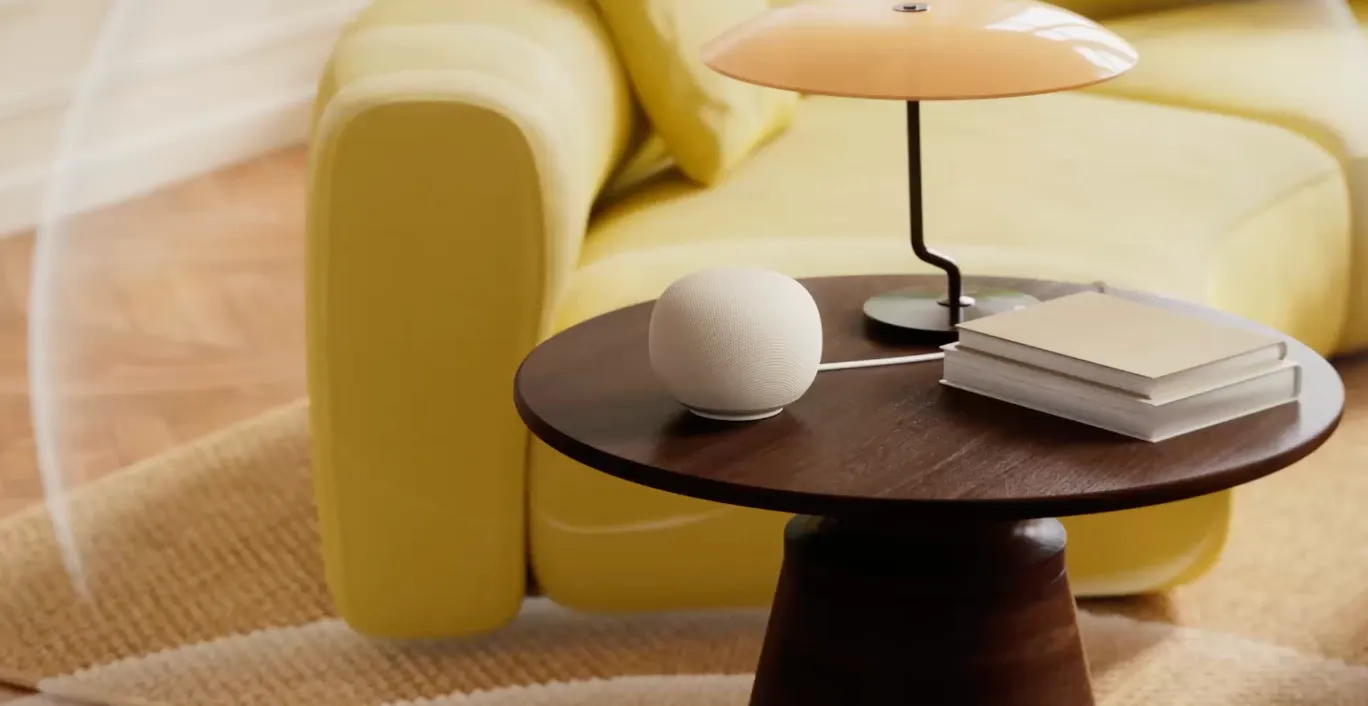
A buyer who picked up Google's new Home Speaker from Walmart before its wide release has confirmed what early Google Home Speaker unboxing posts have flagged as the device's most significant design constraint: a non-removable USB-C power cable attached directly to the speaker body. The Google Store lists it as a "captive cable," making clear this is intentional, not an assembly quirk, according to 9to5Google this week.
The $99.99 speaker ships June 25, and is Google's first new smart speaker in six years. Whether the cable creates a real problem depends almost entirely on where you plan to put it.
What the Google Home Speaker unboxing shows about the non-removable cable
The USB-C power cable runs about five feet from the speaker body and cannot be disconnected from it. There is no USB-C port on the speaker itself. The 30W power brick at the other end is removable and can be replaced; the cable running from speaker to brick cannot, as Android Authority and Notebookcheck both reported this week.
That distinction matters more than it might appear. The problem is not that some power hardware is fixed in place. It is that the cable itself, the component most likely to fray, kink, or need rerouting over years of use, is the part that cannot be swapped. Cable damage could become a device-level repair problem, with no clean repair path short of opening the unit.
Google's previous smart speakers generally used detachable power connections, moving from barrel plugs on earlier models to microUSB and then USB-C. The new Home Speaker is the first in the lineup to break from that pattern, 9to5Google noted this week.
The early buyer, who identifies as an audio engineer, called the cord "a nightmare for repairability." A follow-up Reddit thread noted there are no obvious service entry points on the device, though no independent teardown has been conducted yet, per Android Authority and 9to5Google this week.
The practical consequences fall into three areas. Placement is constrained: a five-foot fixed run means buyers whose nearest outlet is farther away have no simple workaround. Cable management, routing along a wall, under furniture, or through a channel, is harder when the exit point cannot be changed. And long-term ownership carries the risk that a damaged cable becomes a damaged device. For someone who sets the speaker next to an outlet and leaves it there, none of this will register. For anyone planning a more considered installation, it is worth thinking through before purchase.
What's confirmed, and what still isn't
Some things are settled. The captive cable is confirmed by the Google Store's own product listing. The run is just under five feet. The 30W USB-C adapter is removable. The device ships June 25 at $99.99 in four colors: Porcelain, Hazel, Jade, and Berry. It functions as a Matter controller and Thread Border Router. Google has not commented on the design choice.
Other things remain open. No independent teardown has been completed, so actual internal repairability is unknown. The early buyer noted the fabric mesh covering felt slightly loose against the hard body underneath; whether that reflects a production-wide pattern or an isolated unit is impossible to say from one sample, and Google has not addressed it, per Notebookcheck this week. Sound quality impressions come from a single source, not controlled measurements. Wider reviews will fill in most of these gaps in the coming days.
Sound quality and setup: the early Google Home Speaker review picture
The cable is the main concern raised in early hands-on posts. The audio is not. The same buyer who flagged the cord described midrange and low-frequency output as better than expected for a speaker this size, said it was capable of filling a living room, and planned to use it as the primary speaker in that room, a meaningful signal coming from someone with professional audio experience, 9to5Google reported this week.
Specifically, the buyer noted "decent low range clarity" and strong high-to-mid performance. The suggestion was to nudge the treble upward through the built-in EQ for best results. Setup through an existing Google Home account took under ten minutes, according to Notebookcheck and Android Authority this week.
These are impressions from one unit, not lab measurements. Treat them as useful early signal, not a verdict.
Why the cable matters more on this speaker than on a basic Bluetooth model
The Google Home Speaker is not simply a replacement for the discontinued Nest Mini. It is Google's first hardware product built specifically around Gemini for Home, running on-device AI models for noise cancellation, echo suppression, and sound separation so the assistant can hear commands reliably in noisy rooms, Google Home chief product officer Anish Kattukaran told The Verge last week.
The device also serves as a Matter controller and Thread Border Router, a connectivity hub for smart home devices including lights, locks, and plugs, and supports stereo pairing or spatial surround with a Google TV Streamer, The Verge reported last week. This is a speaker designed to anchor a room and a smart home setup for years, which is precisely why cable flexibility carries more weight here than it would on a portable or budget device.
On cost: basic Gemini Live features are included in the purchase price. The fuller Gemini Live experience, smart home automations, and AI-powered camera search require Google Home Premium at $10 per month, with camera feed analysis available at $20 per month, per Notebookcheck and The Verge. Buyers who order before mid-September get six months of Home Premium included.
The tradeoff in plain terms
If the outlet nearest your intended speaker position is within five feet and the cable will never need rerouting or replacement, the captive design will likely go unnoticed. If placement flexibility or long-term repairability factors into how you think about hardware that is meant to sit in your home for years, that constraint is real, confirmed by Google's own product listing, and not going away.
Early impressions suggest Google built a capable $99 speaker after six years out of the category. Independent teardowns and broader reviews arriving this week will clarify the repairability picture. What they will not change is what the Google Store already states: this USB-C power cable is captive by design, and it will remain so for the life of the device, 9to5Google confirmed this week.




Comments
Be the first, drop a comment!