





Gemini Android Phone Setup: Where It Helps, Where It Can't
Setting up a new Android phone follows the same ritual every time: sign in, wait for the data transfer, redownload the apps you actually use, click through permission prompts, and eventually get around to the security settings you meant to check weeks ago. It's tedious enough that AI-powered Android phone setup sounds like an obvious next step. Google hasn't shown that it's built one, and the gap between ambition and evidence is the story here.
That gap is worth defining once, so the rest of this piece can build on it instead of circling back to it. The real question isn't whether Gemini could speed things up in some general sense. It's which parts of setup are informational, where Gemini already has a foothold, and which parts are procedural, where Google hasn't demonstrated the system-level access an AI would need to actually act.
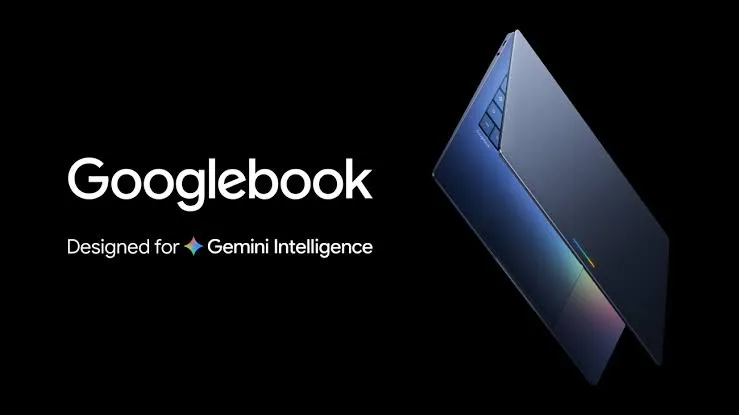
In a recent Galaxy Unpacked announcement, Google said new devices are "making it easier than ever to get started on Android" while rolling out "the first capabilities of Gemini Intelligence," technology it describes as working "proactively for you" (Google, Galaxy Unpacked). Earlier this year, separately, Google said it had taught Gemini to handle "tedious tasks" through a new auto browse feature in Chrome on Android (Google, Gemini in Chrome).
Neither of those is a setup assistant. But they're close enough to the process that comparing them section by section is the right way to test the claim, rather than taking Google's proactive-AI framing at face value.
Mapping the setup journey against Gemini's stated reach
Strip away the branding and Android setup boils down to a handful of moves: getting data off an old phone, signing into a Google account, choosing which apps to restore, granting the permissions those apps request, and, for most people, sorting out a carrier or eSIM transfer. Security and accessibility settings sit somewhere in that flow too, easy to click past on a screen built for speed rather than review.
That's the checklist against which any Gemini role should be measured. Google's own framing of Gemini Intelligence, introduced earlier this year as bringing "proactive AI to Android," is a reasonable starting point, since it isn't scoped to a single app (Google, Gemini Intelligence).
Back in 2024, Google previewed the kind of screen-awareness a multi-step setup flow would actually require: an overlay that sits "on top of the app you're in" and delivers "more dynamic suggestions related to what's on your screen" (Google, I/O 2024). That's the technical shape a setup assistant would need, something that reads the screen in front of a user and responds to it, rather than living in a separate app people have to remember to open.
The Galaxy Unpacked announcement pairs new-device rollout with the first Gemini Intelligence capabilities and, in the same breath, promises smoother onboarding. It presents those as parallel achievements, not one integrated feature. The announcements cited here do not describe Gemini operating inside Android's Setup Wizard. The overlap between Gemini's stated ambitions and the setup process points at the right target; it isn't evidence Google has built the thing.
Gemini Android phone setup: explain, recommend, or act?
Any AI assistance during setup falls into one of three buckets, and they carry different trust requirements. Explain means translating a confusing screen into plain language, telling someone what "copy apps and data" actually copies, or what a permission prompt actually grants before they tap allow. Recommend means suggesting a specific action based on what's visible on screen, flagging that a particular setting is worth a second look and explaining why. Act means making the change directly, restoring a chosen app, granting a permission, completing an eSIM transfer, without asking first.
Setup mixes all three, and the risk isn't uniform even within a single bucket. The restore-data screen is a fair test case: deciding which apps and files to bring over is the kind of choice Gemini could plausibly explain and help prioritize. But "reversible" needs a caveat. Restoring the wrong app is a minor annoyance undone in seconds. Restoring the wrong account data, or granting a permission without understanding what it exposes, isn't something a quick undo fixes.
Carrier activation and eSIM transfer sit further along the risk curve. Getting that wrong can leave someone without a working phone number, a different category of failure than a misconfigured app.
The closest real-world evidence of Gemini completing multistep tasks on an Android device is auto browse in Chrome, which Google describes as its first attempt to "handle tedious tasks so you can focus on what matters most," built on what the company calls its "most intelligent model," Gemini 3.1 (Google, Gemini in Chrome). That's a genuine data point: Google has, in a limited way, let Gemini take action instead of just narrating.
It's also a narrower data point than the framing suggests. The announcements cited here describe auto browse as a Chrome feature; none of them describe it operating inside Android's Setup Wizard or reaching into device settings, permissions, or account configuration. Browser automation inside a single app is the nearest adjacent example Google has shown publicly. It isn't proof Gemini can act on the setup process itself.
What Google would need to build before Gemini could act
Setup is also the point where a phone first handles account sign-in and permission grants, configuration most people don't think about twice once it's done. The announcements cited here don't describe consent flows, audit logs, or safeguards for AI acting during that window, because they don't describe AI acting during that window at all.
A setup assistant worth trusting with a device someone hasn't unlocked yet would need safeguards mapped to specific actions, not a blanket permission. Before touching a carrier or eSIM transfer, it would need to preview exactly what's about to change and require confirmation, since a wrong move there can knock out phone service entirely. Any step that touches security credentials, screen locks, or biometric enrollment deserves the same treatment or an outright exclusion; those aren't good candidates for an assistant to handle unsupervised. Restore-data selections and permission approvals sit in between: reasonable for Gemini to recommend, but each change should log somewhere a user can review and undo.
The one place Google has actually scoped its rollout is instructive by comparison. Google said auto browse would begin rolling out to select devices running Android 12 or higher in the U.S. at the end of June, and separately to AI Pro and Ultra subscribers with select eligible devices; it also requires at least 4GB of RAM and an English (U.S.) language setting (Google, Gemini in Chrome). Those read like ordinary rollout limits, the kind any new feature ships with, not a trust framework for acting on sensitive setup steps. Google hasn't published one, at least not in the material cited here, because it hasn't yet described a feature that acts during setup.
That leaves a concrete rubric for evaluating whatever Google announces next:
- What can the assistant see on screen, and what is it blind to?
- What can it change without asking first?
- What requires an explicit confirmation before anything happens?
- What categories, credentials, screen locks, payment setup, are off-limits by design?
What Google should ship first
Gemini's stronger case is explain and recommend: translating a restore-data screen, flagging a security setting worth a second look, walking someone through carrier transfer friction. That maps to capability Google has actually shown, screen-aware suggestions and limited task completion in Chrome (Google, Gemini Intelligence; Google, Gemini in Chrome). Acting on procedural, harder-to-reverse steps, carrier activation, security credentials, is a separate claim, and nothing Google has published backs it yet.
Scale matters too. Auto browse, the clearest example so far of Gemini taking action rather than narrating, is currently limited to select U.S. devices meeting specific hardware and language requirements. Compare that to 2024, when Google said a Gemini update would reach "hundreds of millions of devices" within months of announcing it (Google, I/O 2024). Whatever Gemini eventually does inside setup will need that kind of scale to matter for most buyers, not just the subset running eligible hardware today.
None of this rules the idea out. It means the standard for judging any future Gemini setup feature shouldn't be how fast it demos. It should be whether Google shows the permission model first, what the assistant can see, what it changes without asking, what needs a tap of confirmation, and what stays off-limits, before anyone who wants to set up a new Android phone with Gemini hands over a device they haven't even unlocked yet.









Comments
Be the first, drop a comment!