





How to Use Magic Capture on Pixel 11: Complete Setup Guide
Tom's Guide walked away unimpressed with the Pixel 11 overall, but the outlet singled out one feature it called "genuinely useful": Magic Capture, a camera mode that records a short clip and lets AI pick the best still photos so users stop guessing when to hit the shutter (Tom's Guide, two weeks ago). Anyone figuring out how to use Magic Capture on Pixel 11 will find the basic setup simple, but getting the most out of it means enabling one setting in advance and thinking about your connection before you shoot, not after.
Google says Magic Capture analyzes roughly 400 frames per session, combining on-device processing with Gemini models to produce 12MP photos, and it built the feature into every Pixel 11 model, not just the Pro or Pro XL (Google Blog, last month; Google Blog, last month). PCMag put the basic version through its own test and confirmed it works, pulling three action shots from an 11-second clip of a reporter playing with toys (PCMag, last week).
This guide covers how to enable Magic Capture on Pixel 11, when the higher-resolution Video Boost option is worth switching on, and what independent testing actually shows about the mode's limits, including a hard recording cap and photo counts that neither Google nor reviewers have pinned to a fixed number.
What to check before you start
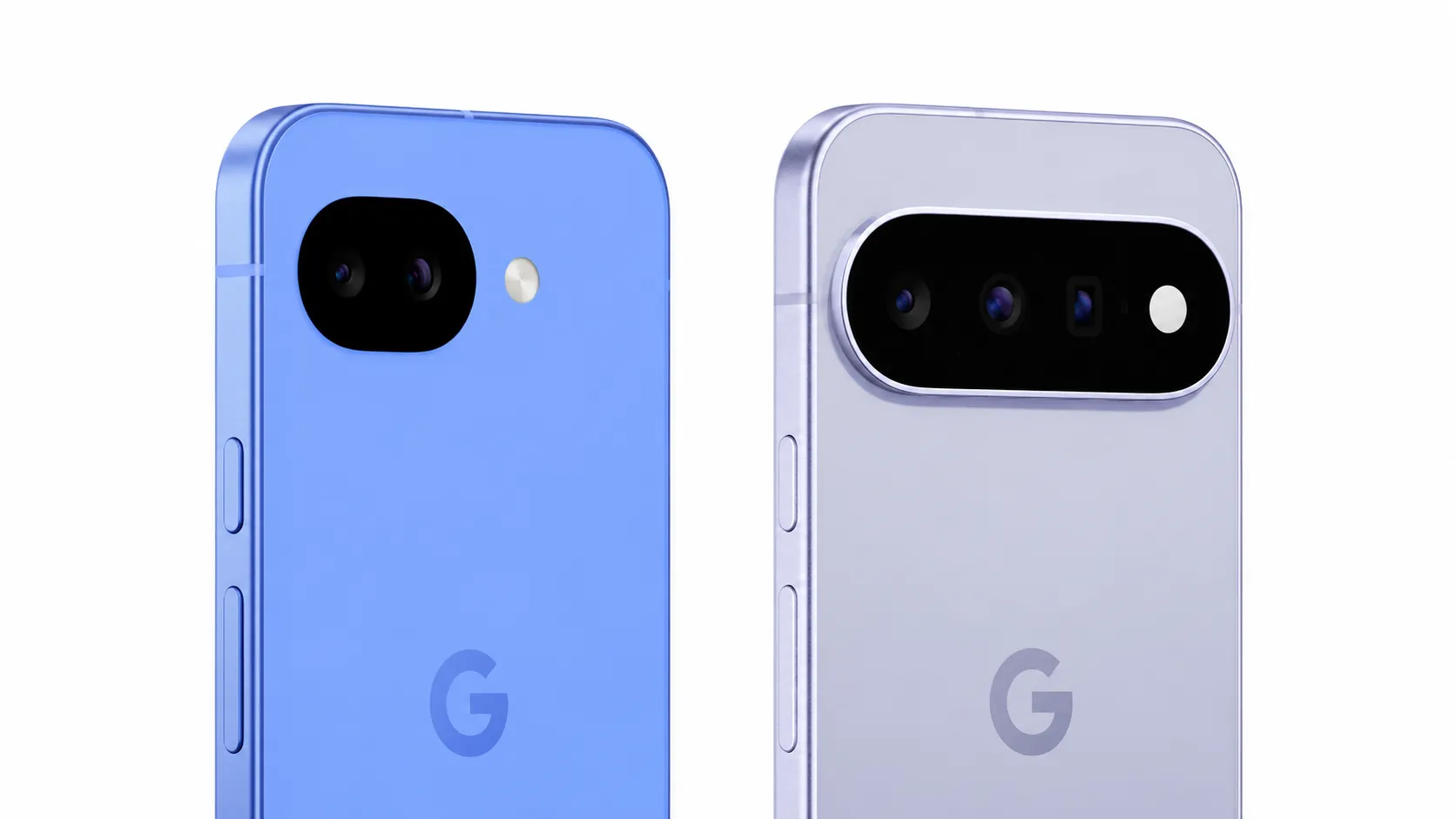
Confirm you have a Pixel 11 phone in hand. Google states Magic Capture works across the whole lineup, not exclusively on the Pro or Pro XL (Google Blog, last month).
Decide ahead of time whether the standard on-device output covers what you're shooting, or whether you want to test Video Boost's higher-resolution path instead. PCMag reports that the enhanced version isn't automatic, it has to be turned on in settings (PCMag, last week).
Check whether you'll have Wi-Fi or cellular access where you're shooting. Without one, PCMag found that Google Photos can't upload the temporary file Video Boost needs to finish processing, which delays the enhanced result rather than blocking the shot itself (PCMag, last week).
How Magic Capture works on the Pixel 11 camera
Magic Capture looks like recording a normal video, but the AI behind it analyzes the footage and pulls out the best-timed frames as standalone photos, no mode-switching required (Tom's Guide, two weeks ago). Google built it for moments that pass quickly: baby smiles, pets moving around, a basketball frozen mid-air, and it can automatically apply crop and unblur edits so the resulting photos come out ready to share (Google Blog, last month).
That design shapes how you should actually use it. Because the mode targets short, unpredictable action rather than long scenes, start recording right before the moment you expect, like just before someone blows out birthday candles, instead of leaving it running continuously (Google Blog, last month). Treat Magic Capture as a different way of shooting, not an after-the-fact edit. It moves the job of picking the right instant from you to the phone.
How to enable Magic Capture on Pixel 11
-
Open the Pixel 11 camera app. Magic Capture sits right next to the standard Photo and Video toggles at the bottom of the screen. Tom's Guide notes it's unusually easy to find compared with other AI features buried in menus (Tom's Guide, two weeks ago).
-
Tap the Magic Capture toggle. Tom's Guide observed the camera interface getting noticeably cleaner once the mode is selected (Tom's Guide, two weeks ago).
-
Tap the shutter button to start recording. It behaves like standard video capture from here, so keep shooting through the moment you're trying to catch (Google Blog, last month).
-
Stop recording when you're done. Tom's Guide reports the selected stills get added to your camera roll automatically, with no manual picking required (Tom's Guide, two weeks ago). PCMag separately confirmed the basic workflow processes this on-device, producing 12MP HDR+ stills without needing a connection (PCMag, last week).
-
Check your gallery for both the source video and the stills. Tom's Guide describes any photos still waiting on a connection as sitting in a pending queue that clears once your phone reconnects to Wi-Fi or cellular (Tom's Guide, two weeks ago). PCMag found something similar with Video Boost's temporary file specifically: it can still be viewed, shared, or edited while it waits to upload (PCMag, last week).
Pixel 11 Video Boost for Magic Capture: what it actually changes
The default Magic Capture workflow processes entirely on the phone and produces 12MP HDR+ stills without needing a connection at all (PCMag, last week). For most everyday shots, that's the version doing the work.
If you're chasing Magic Capture high-resolution photos, Video Boost is the setting to test. Open Camera settings and turn it on, the same toggle that powers Pro Stable Video and 8K Boost. PCMag reports this makes Magic Capture record its underlying clip in 10-bit 4K instead of standard 1080p (PCMag, last week). That describes the source clip the AI draws from, not a confirmed resolution for the final photos. The available reporting doesn't establish the finished resolution or guarantee the extracted stills come out looking sharper than the standard version.
Video Boost's full processing happens in the cloud, so it needs a connection to complete, though not necessarily at the moment you're recording. PCMag found that without one, the temporary file still lets you view, share, or edit the clip normally; it simply waits to finish full refinement until your phone picks up a signal (PCMag, last week).
This isn't unique to Magic Capture. PCMag notes that other marquee Pixel 11 camera features, including 120x Pro Zoom and Pro Stable Video, share the same cloud dependency, so it's a pattern across the phone's newest tools rather than something specific to this one mode (PCMag, last week).
The supplied reporting doesn't establish whether the Video Boost workflow is available on every Pixel 11 model, in every region, or for every account. Test it on your specific phone before assuming it's active or available everywhere.
Basic capture or Video Boost: how to decide
- Use basic Magic Capture when you need results right away and can't count on a signal. It's fully on-device and finishes immediately (PCMag, last week).
- Enable Video Boost when you want to test the higher-resolution source workflow and know you'll reconnect to Wi-Fi or cellular later to finish processing.
- Don't plan around a fixed photo count. Neither Google nor the available reviews documents one, so treat whatever number your phone returns as a per-session result, not a guarantee.
If you end up somewhere with no signal at all, the basic 12MP HDR+ stills are still there the moment you stop recording. Video Boost's enhanced processing just waits, and the temporary file stays viewable, shareable, and editable until it uploads (PCMag, last week).
What to expect: recording limits and photo counts
Magic Capture clips are capped at two minutes. Tom's Guide reports a countdown warning appears on screen as you approach that limit, so you'll know before recording cuts off (Tom's Guide, two weeks ago).
Output count is where the reporting gets less tidy. In one Tom's Guide test, the phone delivered five photos locally per video and needed an internet connection to release four additional shots (Tom's Guide, two weeks ago). PCMag's separate test with an 11-second clip returned three photos total (PCMag, last week). The available tests don't establish a fixed number of stills or explain exactly why different clips produced different results, so run your own clip before trusting a specific count for something that only happens once, like a first birthday or a proposal.
What to do now
Magic Capture solves a real problem: catching a pet, a kid, or a fast action shot without repeatedly guessing when to press the shutter, and it sits right next to the standard Photo and Video toggles instead of buried in a menu (Tom's Guide, two weeks ago; Google Blog, last month).
Open the camera app, toggle it on, and shoot a short test clip at home before you need it somewhere a signal isn't guaranteed. Check whether Video Boost is available in your camera settings, run a clip with it enabled, and see whether it processes right away or waits for an upload. That test tells you more about how your specific phone behaves than any review can.










Comments
Be the first, drop a comment!