





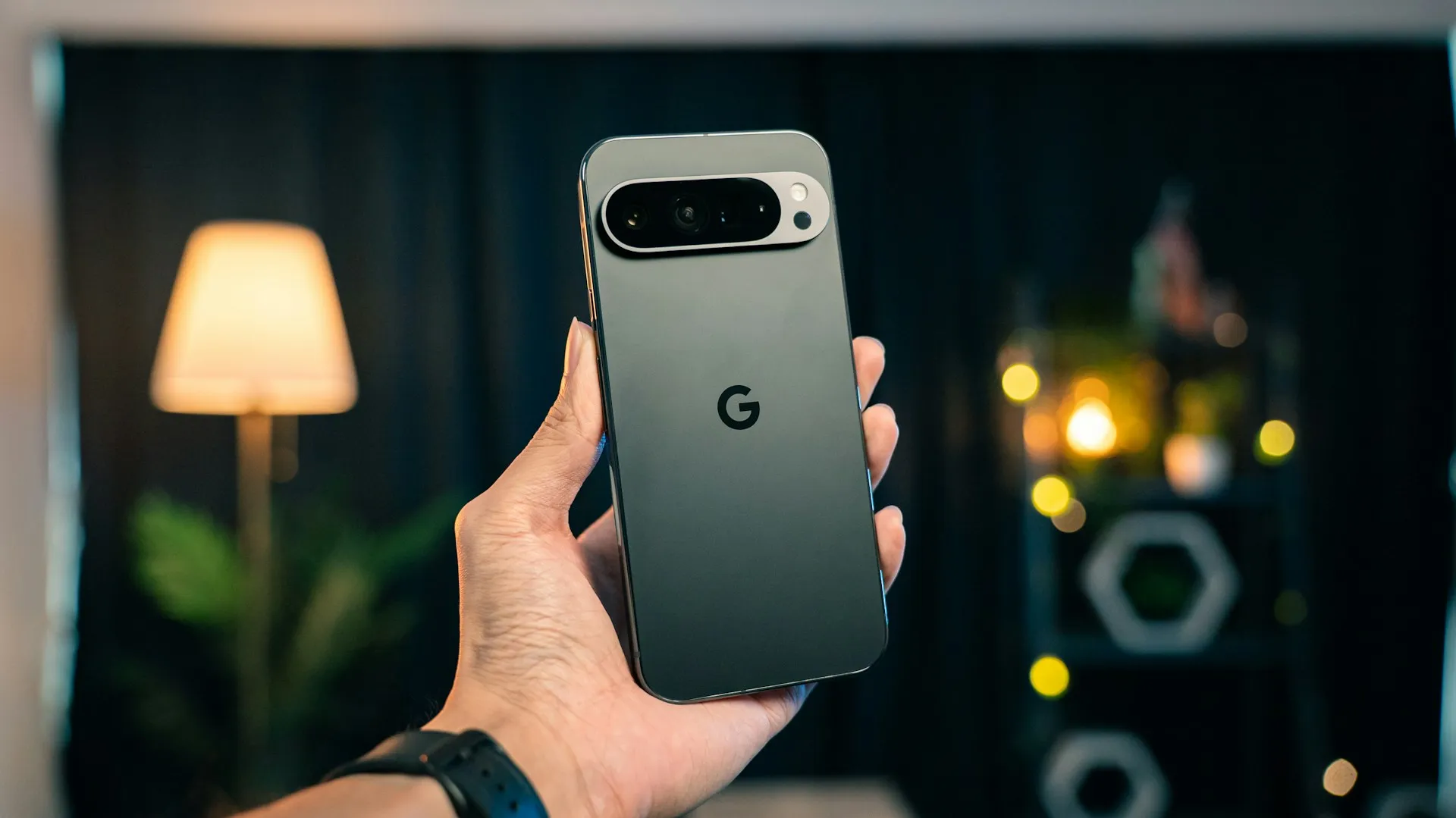
This Pixel 10 Pro vs Pixel 11 Pro comparison sticks to the Pro model, not the standard Pixel 11, because the Pro is the 10 Pro's direct successor and the phone most likely to tempt someone weighing a new flagship against a discounted last-gen one.
Getting the models right matters before comparing a single spec. Pair the wrong ones and the price math falls apart.
The Pixel 11 Pro launched at $1,099 for 256GB, $100 more than the Pixel 10 Pro's original $999 starting price. But that comparison hides an important difference: the Pixel 10 Pro started with 128GB.
At a matching 256GB configuration, Google's own pricing puts both phones at a $1,099 MSRP. The Pixel 11 Pro pairs that storage with 12GB of RAM, while the Pixel 10 Pro includes 16GB.
PhoneArena's reviewer used both phones for at least a week, running the outlet's own battery and camera tests, and came away saying the two are hard to tell apart outside specific camera, display, and software upgrades.
Whether the Pixel 10 Pro is actually the smarter buy therefore comes down to two checks: whether you can find the 256GB model meaningfully below the Pixel 11 Pro's price, and whether the newer phone's camera and creator tools would see regular use.
This piece walks through both, plus one software-reliability caveat worth knowing regardless of which phone gets picked.
Same Foundation, Different Price Tag
Display and build are close.
Both phones use 6.3-inch Super Actua displays with Gorilla Glass Victus 2. The Pixel 11 Pro adds what Google calls an anti-scratch shield and raises peak brightness from 3,300 nits on the 10 Pro to 3,600 nits.
PhoneArena reports that the 11 Pro has more than double the scratch resistance of the 10 Pro. Google also markets the new cover glass as more scratch-resistant, although that doesn't tell buyers how either phone will behave after months of real-world use.
Wireless charging is a clearer hardware improvement than the original comparison suggested.
The Pixel 11 Pro supports Pixelsnap wireless charging with Qi2.2 certification at up to 25W.
The Pixel 10 Pro supports Qi2-certified Pixelsnap charging at up to 15W.
Both use magnetic alignment, so the accessory ecosystem overlaps, but the newer phone has a higher documented wireless-charging ceiling.
The Pixel 11 Pro also drops the Pixel 10 Pro's built-in temperature sensor, a small but real hardware loss for anyone who actually used it.
The two phones still share nearly the same overall shape and 6.3-inch footprint. What separates them comes down to price at matching storage, RAM, wireless charging, and a specific set of camera and creator upgrades.
Is the Pixel 10 Pro Worth Buying at Today's Price?
The Pixel 10 Pro launched with 128GB of storage and 16GB of RAM for $999.
Google's current US pricing by storage tier lists:
128GB Pixel 10 Pro: $999 MSRP
256GB Pixel 10 Pro: $1,099 MSRP
512GB Pixel 10 Pro: $1,219 MSRP
1TB Pixel 10 Pro: $1,449 MSRP
The Pixel 11 Pro starts at $1,099 with 256GB and 12GB of RAM.
Stepping up to the Pixel 11 Pro's 512GB or 1TB configurations raises RAM to 16GB.
That changes the value question substantially. At MSRP, there is no price advantage to choosing a 256GB Pixel 10 Pro over the 256GB Pixel 11 Pro. Both cost $1,099.
The older phone only becomes the better deal if a retailer actually discounts it.
Those deals do happen. Android Central recently reported a $200 discount on the 128GB Pixel 10 Pro, dropping that configuration to $799 for a limited time. But discounts change quickly, and a 128GB sale price isn't directly comparable to the 256GB Pixel 11 Pro.
Anyone chasing a genuine Pixel 10 Pro deal should therefore check the current price of the 256GB model specifically before comparing it with the 11 Pro.
The RAM gap matters differently depending on how someone uses the phone.
Twelve gigabytes should be enough for ordinary browsing, messaging, photography, and most apps. The Pixel 10 Pro's 16GB across every storage tier gives it more headroom for heavier multitasking and memory-intensive workloads.
Long-term software support isn't a major reason to reject either phone.
Google promises seven years of OS and security updates from each device's first US Google Store availability date.
That puts the Pixel 10 Pro's support window into 2032, while the Pixel 11 Pro extends roughly a year further into 2033.
The threshold that actually decides this comparison is simple: if the 256GB Pixel 10 Pro isn't meaningfully cheaper than $1,099 after discounts, trade-ins, and condition are factored in, the newer model is easier to justify.
If the 10 Pro is discounted substantially, the decision shifts to whether the 11 Pro's camera, charging, and creator upgrades are worth giving up the older phone's extra base RAM.
What the Extra Money Buys, and What's Still Unproven
For everyday photos, the improvements are real but mostly incremental.
Both phones use a 50MP main camera, a 48MP ultrawide, and a 48MP 5x telephoto setup, but the Pixel 11 Pro has a redesigned telephoto sensor.
Google says the newer telephoto captures 32% more light, and its sensor is physically larger: 1/1.95 inches on the Pixel 11 Pro versus 1/2.51 inches on the Pixel 10 Pro.
The newer phone also pushes Pro Zoom from 100x to 120x.
PhoneArena's independent camera testing found the Pixel 11 Pro improved selfie, ultrawide, and zoom results overall, although its main-camera photo score was effectively unchanged.
Camera software is where the 11 Pro separates more clearly.
Google's current specs list new features including Magic Capture and Camera Looks.
Magic Capture analyzes almost 400 frames during a capture session to generate well-timed photos, while Camera Looks lets users apply persistent color and processing styles inside the Camera app.
The Pixel 11 Pro also adds Pro Stable Video, although that needs more precise wording than simply calling it "8K stabilized video."
Google describes Pro Stable Video as an option that automatically applies smoother stabilization to Video Boost footage in certain shaky, well-lit scenes.
Separately, the phone supports 8K video at 24 or 30 fps through Video Boost.
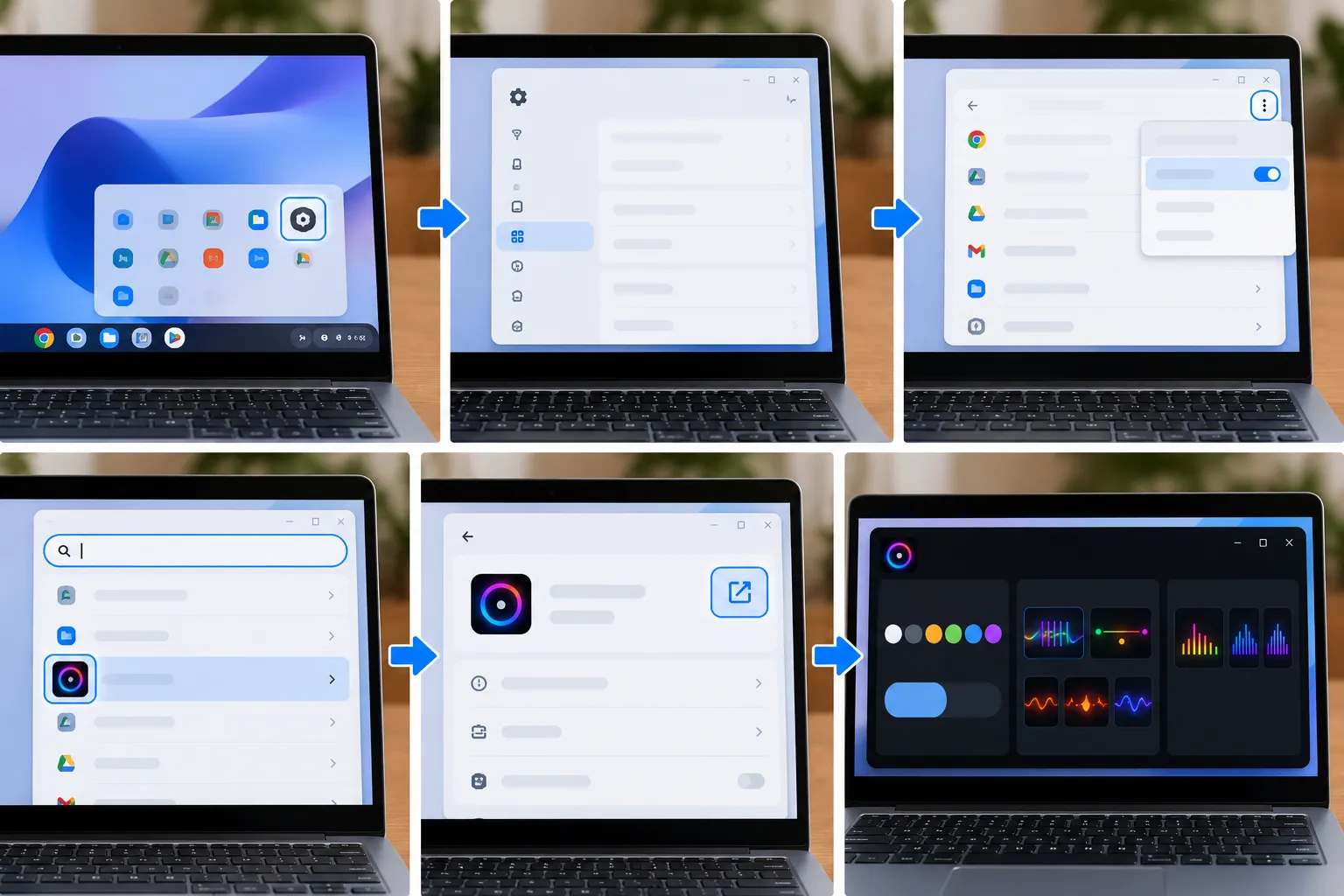
Creator Suite is another Pixel 11-generation addition.
Google's Creator Suite documentation lists tools including:
Saving recordings into creator projects
A built-in teleprompter
An audio visualizer
Speech enhancement
A social-media framing grid
Google does not list clip trimming as a Creator Suite function, so that shouldn't be presented as one of its documented features.
Creator Suite is available on Pixel 11 and later phones, while Pro Stable Video is limited to the Pixel 11 Pro and Pixel 11 Pro XL.
Google hasn't announced a timeline for bringing Magic Capture, Camera Looks, Creator Suite, or Pro Stable Video to the Pixel 10 Pro.
Tensor G6 Is Faster, but Battery Testing Complicates the Story
Google's own Tensor G6 claims are narrower than some third-party summaries make them sound.
Google says Tensor G6 delivers:
25% faster web browsing than Tensor G5
Up to 20% better power efficiency
A 50% more powerful TPU for on-device AI workloads
Separate launch reporting also cites Google's claim of roughly 15% faster app loading.
Those are manufacturer figures, not independent performance guarantees.
Google also rates the Pixel 11 Pro for 30+ hours of battery life, compared with the Pixel 10 Pro's 24+ hour rating.
PhoneArena's own controlled testing complicates that comparison.
Its Pixel 11 Pro recorded:
11 hours, 4 minutes in web browsing
11 hours, 4 minutes in video playback
4 hours, 23 minutes in gaming
The Pixel 10 Pro recorded:
20 hours, 55 minutes in web browsing
10 hours, 18 minutes in video playback
4 hours, 36 minutes in gaming
That doesn't prove Google's overall battery claim is wrong, because the company's rating uses a different testing methodology.
It does show that the newer chip and 30-hour marketing figure don't translate into better endurance across every workload.
HiLight Is Still a Limited Extra
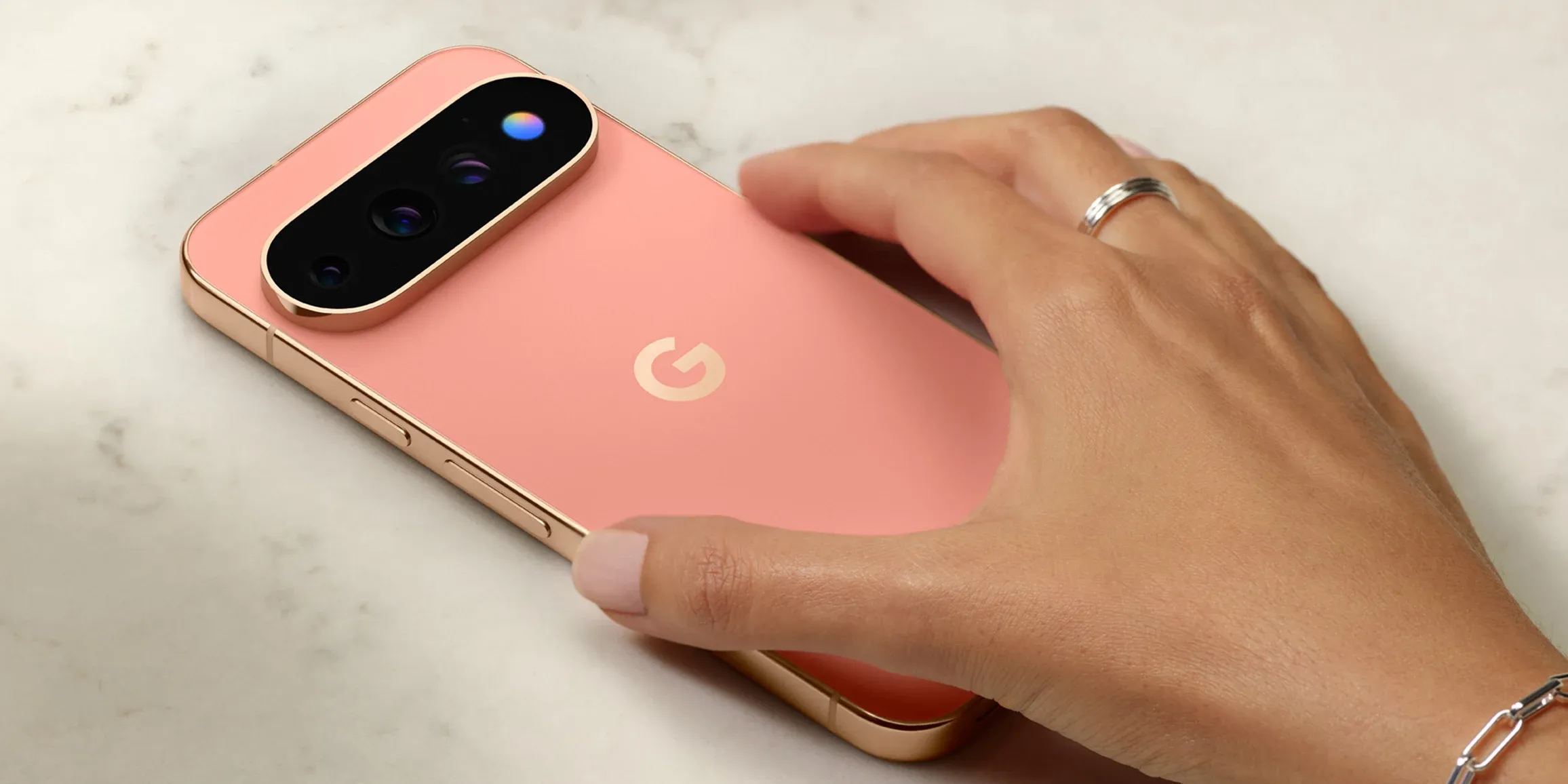
HiLight is one of the Pixel 11 Pro's more visible new hardware features.
The light system around the rear camera can currently signal two documented activities:
Gemini listening, thinking, or responding
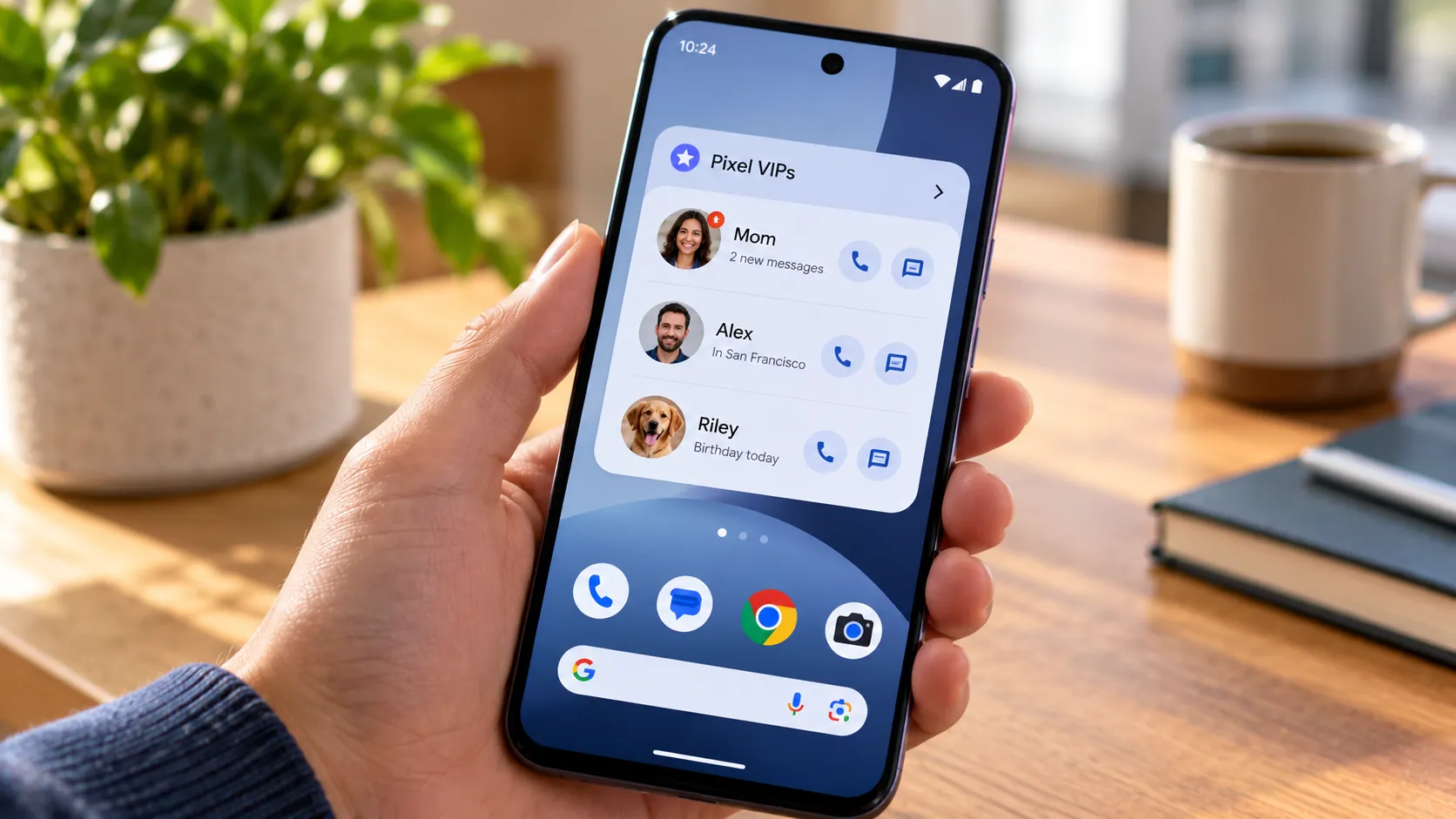
Incoming calls from favorite contacts, with customizable colors
It works with Phone by Google and WhatsApp for those favorite-contact calls.
Google's current HiLight support page doesn't document broad app-notification support yet.
That makes HiLight a useful extra for a narrow set of interactions rather than a general replacement for checking notifications.
One Reason to Keep Your Return Window
Android Central's yearlong retrospective on the Pixel 10 Pro XL documents a rocky software history.
The outlet points to graphical problems, connectivity issues, battery drain, and disruptive updates during the Pixel 10 generation. Separate Android Central reporting also documented March 2026 bootloop complaints affecting multiple Pixel generations.
That evidence doesn't establish that every Pixel 10 Pro had those failures, and it doesn't prove the Pixel 11 Pro will repeat them.
The Pixel 11 Pro uses a new Tensor G6 platform and launched on newer software.
It does make a strong return policy useful for either phone.
During the return window, test:
Wi-Fi and Bluetooth stability
Touch responsiveness
Battery drain during ordinary use
Heat during sustained gaming
Camera capture reliability
Wireless charging with the accessories you actually plan to use
PhoneArena's Pixel 11 Pro testing adds a specific reason to include sustained gaming and web browsing in that check, because those were two workloads where the newer phone didn't clearly beat the Pixel 10 Pro.
Quick Verdict: Matching This Pixel 11 Pro vs Pixel 10 Pro Comparison to Your Situation
Deciding whether to buy a last-generation Pixel phone comes down to three questions: is the discount real, do the new camera features matter, and does the extra RAM on the older phone matter more than the newer hardware.
Buy the Pixel 10 Pro if the 256GB model is meaningfully discounted below $1,099 and 16GB of RAM matters more than the newer camera, charging, and creator features.
Buy the Pixel 11 Pro if both phones cost roughly the same at 256GB, or if you regularly use zoom, low-light photography, Magic Capture, Camera Looks, Pro Stable Video, or Creator Suite.
Keep a strong return policy either way if battery consistency and software stability rank as top priorities. Independent testing shows meaningful workload-to-workload variation, and recent Pixel software history gives buyers a reason to test their own unit thoroughly.
What to Check Before You Buy Either Phone
None of this creates much of an upgrade case for someone who already owns a Pixel 10 Pro unless the new camera or creator features are specifically useful.
For anyone shopping between the two, the number that decides the comparison is the 256GB Pixel 10 Pro's actual sale price, not the $999 launch price of its 128GB version.
At MSRP, both 256GB phones are $1,099.
Check the Pixel 10 Pro's live price at the exact storage tier under consideration, factor in trade-ins and condition, and buy from a retailer with a real return window.
Then use that window to test battery drain, wireless charging, Wi-Fi, camera reliability, and heat under load before deciding either phone is a keeper.









Comments
Be the first, drop a comment!